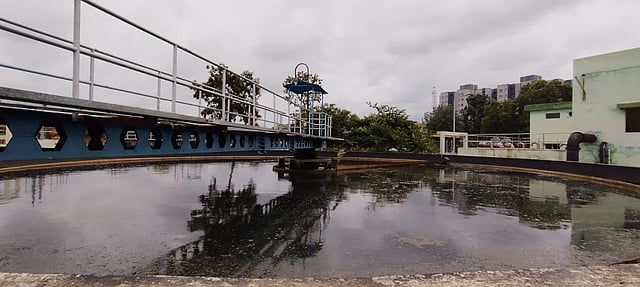
Bengaluru’s lakes are showing signs of improvement as sewage diversion measures reduce the direct flow of wastewater into several water bodies, but a new study indicates that the pollution problem may be shifting rather than disappearing. The findings highlight a critical gap in the city’s water management: diverting sewage away from lakes is only effective if the wastewater is subsequently treated and safely managed.
The study examined what happens to sewage after it is intercepted before entering lakes. While diversion can improve visible water quality and reduce the immediate pollution load entering a lake, the effectiveness of the intervention depends on the capacity and performance of downstream treatment systems. For Bengaluru lakes, this distinction is important. A lake may appear cleaner after sewage inflows are stopped, but untreated or inadequately treated wastewater can continue to enter the wider environment through drains, treatment gaps or other pathways. The apparent improvement can therefore conceal a larger infrastructure challenge. Bengaluru’s wastewater network has developed alongside rapid urbanisation, leaving parts of the metropolitan area dependent on drainage channels and treatment infrastructure that were not designed for today’s population and built-up footprint. Sewage treatment capacity and network coverage consequently remain central to the city’s water-security strategy.The problem has implications beyond lake aesthetics. Lakes and connected wetlands can provide flood storage, groundwater recharge, biodiversity and local cooling. When sewage enters these systems, excess nutrients and contaminants can damage aquatic ecosystems and reduce their ability to perform these functions. For Bengaluru lakes, wastewater treatment therefore needs to be considered as part of lake restoration rather than as a separate utility issue.
Intercepting sewage before it reaches a lake can be useful, but the next step must be ensuring that treatment plants have sufficient capacity, operate consistently and meet discharge standards. There is also an opportunity to decentralise parts of the wastewater system. Smaller treatment facilities closer to neighbourhoods can reduce the distance sewage needs to travel and potentially allow treated water to be reused for landscaping, industrial purposes or other non-potable applications. Reusing treated wastewater could also reduce pressure on freshwater sources. Bengaluru has long faced concerns over water availability, making it increasingly important to treat wastewater as a resource rather than simply a waste stream. The study’s findings also raise questions about how lake restoration should be measured. Visible improvements in colour or odour provide only limited evidence of ecological recovery. Regular monitoring of nutrients, contaminants, dissolved oxygen, groundwater interactions and aquatic biodiversity can provide a more complete picture. The wider lesson for Bengaluru lakes is that pollution control cannot stop at the edge of a water body. Lakes are connected to drains, treatment plants, groundwater and surrounding development.
Managing them effectively requires the entire urban water cycle to be considered as one system. For Bengaluru, cleaner lakes are a positive development, but the real test lies downstream. Unless diverted sewage is reliably treated, monitored and reused where appropriate, the city risks moving pollution from one part of the water system to another. Long-term lake restoration will depend on closing that gap.