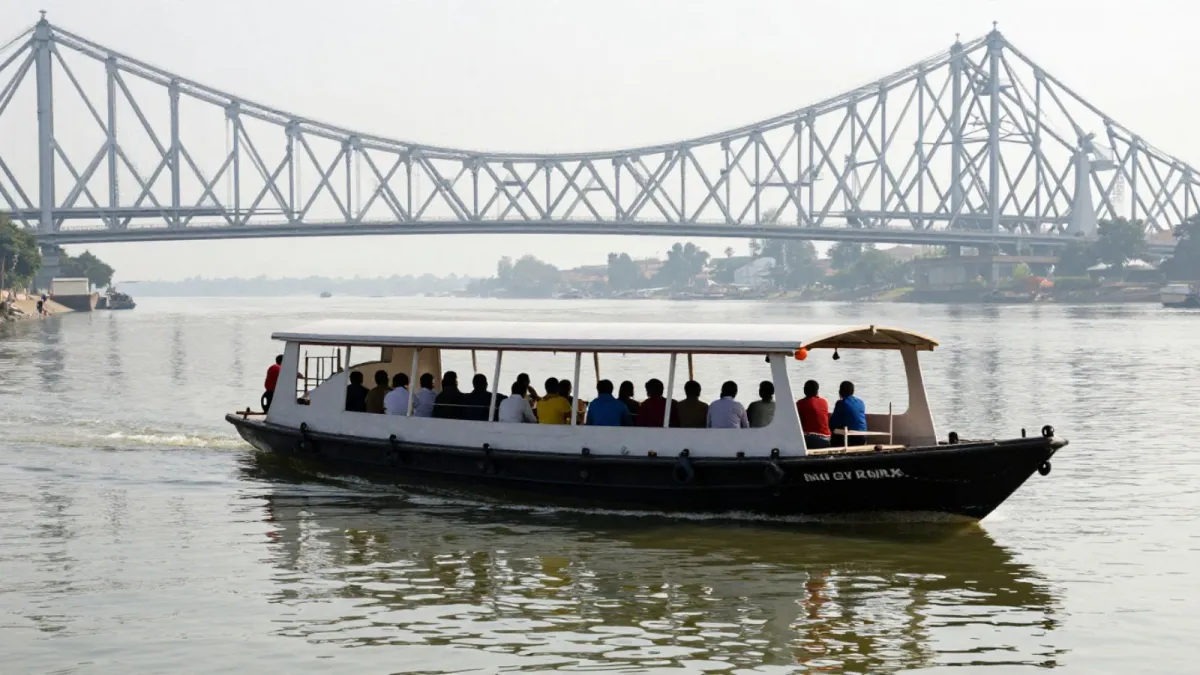
Kolkata Electric Ferries Could Reshape Hooghly Travel
Kolkata’s river transport network is set for another shift towards cleaner propulsion, with two 100-passenger electric ferries being ordered for ₹45.02 crore. The contract, signed on August 24, adds fresh capacity to the Hooghly while raising a larger urban question: whether Kolkata can make its waterways a practical, low-emission part of everyday mobility rather than treating them as a standalone transport service.
The vessels are scheduled for delivery within 18 months of the contract signing. For Kolkata, the significance extends beyond the purchase itself. Electric ferries can reduce direct exhaust emissions and engine noise on the river, but their wider climate benefit will depend on how the vessels are charged and how consistently they are integrated into the city’s transport system.The latest order builds on an ongoing transition in Hooghly-based passenger movement. A 150-passenger zero-emission ferry was delivered to West Bengal in January 2025 and has since entered service. The state has also contracted for 13 hybrid ferries for the Kolkata Metropolitan Area, combining battery propulsion with diesel generation.That hybrid programme covers six vessels with capacity for 200 passengers and seven smaller vessels designed for 100 passengers. The vessels are intended to operate across the Hooghly as part of the wider Kolkata metropolitan waterway network. Their specifications include catamaran hulls and battery-based electric propulsion supported by diesel generators.
For commuters, the bigger opportunity lies in connecting river services with the rest of Kolkata’s public transport. Urban planners say cleaner vessels alone cannot transform mobility unless routes, schedules, ticketing, interchange points and pedestrian access are designed around passengers. Better integration with rail, metro, bus and road networks could make water transport more useful for daily journeys while easing pressure on congested corridors.There is also an infrastructure challenge. Electric vessels require reliable charging systems, suitable terminals and careful management of battery capacity, operating cycles and maintenance. The environmental gains will be stronger if charging increasingly relies on cleaner electricity rather than simply shifting emissions from the river to the power grid.
Kolkata’s electric ferries therefore represent a relatively small infrastructure investment with potentially wider implications. If the new vessels are deployed as part of an integrated, accessible and dependable public transport network, the Hooghly could become a more important low-carbon mobility corridor for the city. The next test will be whether supporting infrastructure and service planning keep pace with the vessels themselves.