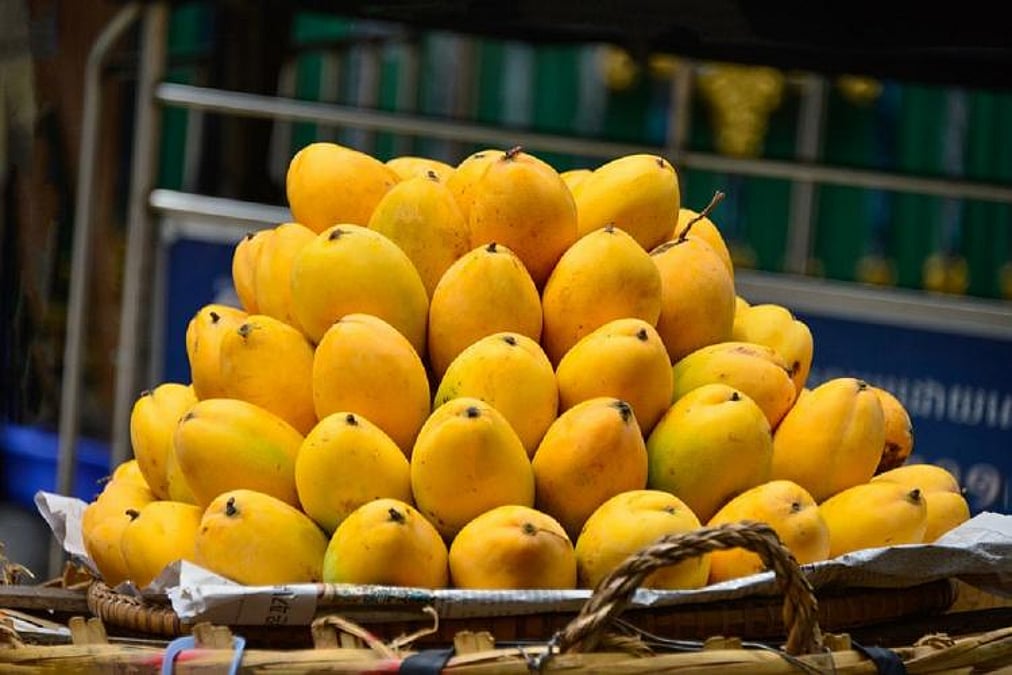
Bengaluru Airport Mango Handling Rises With Demand
Bengaluru Airport has recorded a significant increase in mango handling, with volumes rising 33% during the latest season, highlighting the growing role of air cargo in moving high-value and time-sensitive agricultural produce. The increase points to Bengaluru’s importance as a logistics gateway while also exposing the infrastructure and supply-chain challenges involved in transporting perishables efficiently.
The rise in Bengaluru airport mango handling reflects stronger movement of Indian mangoes through the airport’s cargo network. The increase is particularly relevant because fresh produce has a limited shelf life and requires careful handling, temperature control and rapid movement from farms to markets.Air freight is generally more expensive than road or rail transport, but it can provide a crucial advantage for products where speed affects quality and market value. For mango growers and exporters, faster movement can help reduce spoilage and improve access to distant domestic and international markets.The growth also highlights Bengaluru’s position within Karnataka’s agricultural economy. The state is a major producer of horticultural crops, while Bengaluru provides access to a large consumer market and international air connections. Efficient cargo infrastructure can therefore link producers with premium markets without relying entirely on long-distance surface transportation.For the Bengaluru airport mango supply chain, logistics does not end at the airport. Produce must move through sorting, grading, packaging, cold storage and transportation stages before reaching aircraft or final markets. Weaknesses at any point can increase waste and reduce returns for growers. This makes investment in integrated cold-chain infrastructure particularly important.
Refrigerated storage, temperature monitoring and efficient cargo handling can extend shelf life while reducing the volume of produce lost between farms and consumers. Better coordination between farmers, aggregators, logistics operators and retailers can further reduce unnecessary handling. There is also a sustainability consideration. Air cargo has a higher carbon intensity than most surface transport options, making it unsuitable for every agricultural movement. Its strongest role is likely to remain with high-value or highly perishable produce where the benefits of speed can justify the environmental and financial costs. For Bengaluru, the increase in mango cargo also demonstrates how urban infrastructure can influence rural economies. A well-connected airport does not only support technology, manufacturing and business travel; it can also create market access for agricultural producers. The challenge will be to expand this connectivity without increasing avoidable waste and emissions. Better packaging, efficient consolidation, renewable-powered cold storage and greater use of rail and road for suitable legs of the supply chain could improve the overall environmental performance of agricultural logistics.
The rise in Bengaluru airport mango handling is therefore more than a seasonal cargo statistic. It signals growing demand for reliable links between farms and markets. As Bengaluru’s logistics ecosystem expands, strengthening the cold chain and reducing losses could help ensure that better connectivity translates into greater value for producers as well as consumers.