Bengaluru Flexible Offices Lead India Leasing Growth
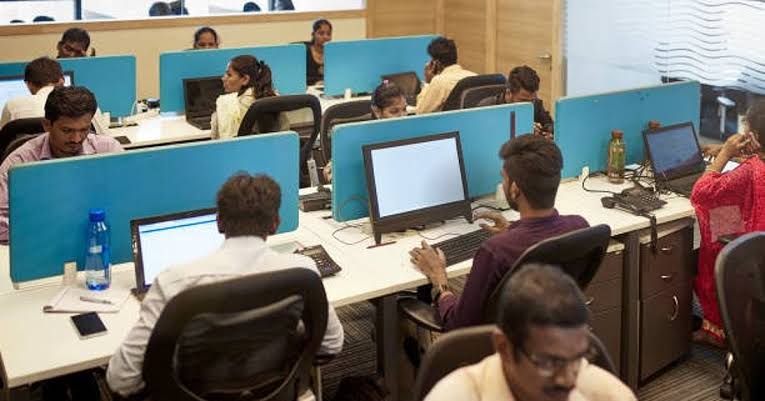
Flexible workspace leasing across India rose sharply during the first half of 2026, with Bengaluru emerging as one of the country’s strongest markets alongside Hyderabad and Mumbai. The Bengaluru flexible workspace market is benefiting from changing corporate occupancy patterns, expansion by businesses and growing demand for offices that can scale without long conventional leases.
Flexible workspace transactions increased 68% nationally during January-June compared with the same period a year earlier, according to market data cited in the report. Bengaluru, Hyderabad and Mumbai accounted for the largest share of this activity, underlining the concentration of flexible-office demand in India’s leading employment hubs. The growth reflects a broader change in how companies are using office space. Businesses increasingly want the ability to increase or reduce their footprint as hiring patterns, project requirements and workplace policies change. Flexible operators can provide managed offices, shared work areas and shorter commitments, allowing occupiers to avoid some of the upfront costs associated with conventional office expansion.Bengaluru’s position is closely linked to its large technology and services economy. The city continues to attract companies requiring office capacity across established business districts and emerging commercial corridors. Demand for flexible space can also provide smaller companies and expanding teams with access to professionally managed workplaces without immediately committing to large standalone premises. The trend is influencing the commercial property market as well.
Flexible operators have become an additional source of office demand, potentially helping landlords fill larger buildings by dividing available space into smaller, managed workplaces. This can improve occupancy flexibility, although the underlying demand still depends on the strength of the city’s employment market. The Bengaluru flexible workspace boom also has implications for urban mobility. Offices located near metro stations, major bus routes and established employment clusters can reduce dependence on private vehicles, particularly when workers have shorter or more predictable commutes. Conversely, rapid commercial development in poorly connected locations could add pressure to already congested corridors. The sector’s expansion could therefore encourage a different approach to commercial real estate planning. Developers and occupiers may increasingly prioritise buildings with strong public transport access, efficient energy systems and adaptable floor plates that can accommodate changing workplace requirements. For businesses, flexibility can provide financial and operational advantages, particularly during periods of uncertain hiring or expansion. For cities, however, the wider value depends on whether flexible workplaces contribute to more balanced employment geographies and better use of existing commercial infrastructure. The first-half growth suggests that flexible offices are becoming a more established component of India’s commercial property market rather than a temporary response to changing workplace habits.
Bengaluru’s continued leadership will depend on whether its office ecosystem can combine adaptable workspaces with reliable transport, sustainable buildings and supporting urban infrastructure. As companies rethink how much space they need and where employees work, flexible offices are likely to remain an important part of Bengaluru’s evolving commercial landscape.