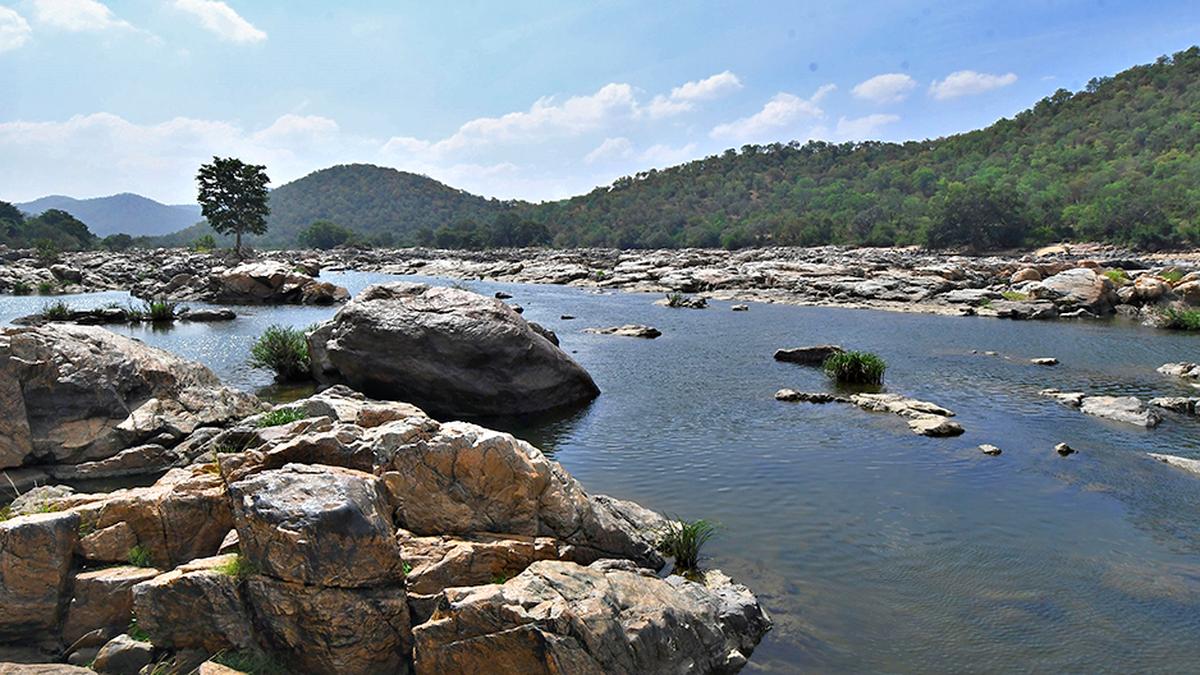
Bengaluru Water Needs Put Mekedatu Plan Under Scrutiny
The proposed Mekedatu reservoir is facing renewed scrutiny over whether its primary purpose would be meeting Bengaluru’s drinking-water demand, with water experts in Tamil Nadu challenging Karnataka’s stated rationale for the project. The debate comes as both states continue to confront competing demands on the Cauvery, highlighting the need for Bengaluru to diversify its urban water sources rather than depend on a single major intervention.
The Tamil Nadu Sectoral Experts Federation has questioned the drinking-water justification for the proposed dam, arguing that field-level assessments do not indicate a current shortage in Bengaluru and alleging that the project could instead facilitate expansion of irrigation. These claims represent the federation’s position and have not been independently established by the report. The Mekedatu proposal envisages a reservoir on the Cauvery downstream of the existing Krishnarajasagar and Kabini reservoirs and upstream of the Stanley Reservoir at Mettur. For Karnataka, the project has long been presented as an additional source of drinking water for Bengaluru and surrounding areas. Its location, however, places it within a river basin shared by multiple states, making water allocation and downstream flows central to the dispute. The latest criticism also underscores the larger vulnerability of Bengaluru’s water system. The city’s dependence on Cauvery supplies has grown alongside rapid population and real-estate expansion, while groundwater levels and local water bodies remain under pressure in several urbanising areas. A resilient water strategy therefore requires more than increasing the volume of water brought into the metropolitan region.
Urban water planners increasingly favour a portfolio approach that combines river supplies with treated wastewater reuse, rainwater harvesting, groundwater recharge and restoration of lakes and local drainage networks. Such measures can reduce pressure on freshwater sources while creating additional resilience during periods of drought. The Tamil Nadu experts also proposed using water-lifting systems to replenish more than 200 lakes and irrigation tanks in drought-prone parts of the Cauvery basin. While such measures would require detailed technical and environmental assessment, the suggestion highlights an important principle: improving storage and recharge at decentralised locations can sometimes complement, or reduce pressure on, large reservoirs. The financial and environmental implications of new dams also warrant close examination. The experts estimated that a reservoir storing 10–15 TMC could require three years to construct and cost between Rs 1,500 crore and Rs 3,000 crore. Large projects can provide substantial storage, but they also alter river systems and involve significant land, ecological and downstream considerations.For Bengaluru, the immediate lesson is that water security cannot rest solely on infrastructure built outside the city. Reducing leakage, expanding wastewater reuse, protecting remaining lakes and wetlands, and improving demand management can make existing supplies go further.
As the Mekedatu debate continues, a durable solution will ultimately require transparent hydrological assessment, basin-wide planning and consideration of the needs of all dependent communities. For a rapidly expanding Bengaluru, strengthening the entire urban water cycle may prove as important as securing another major source.