


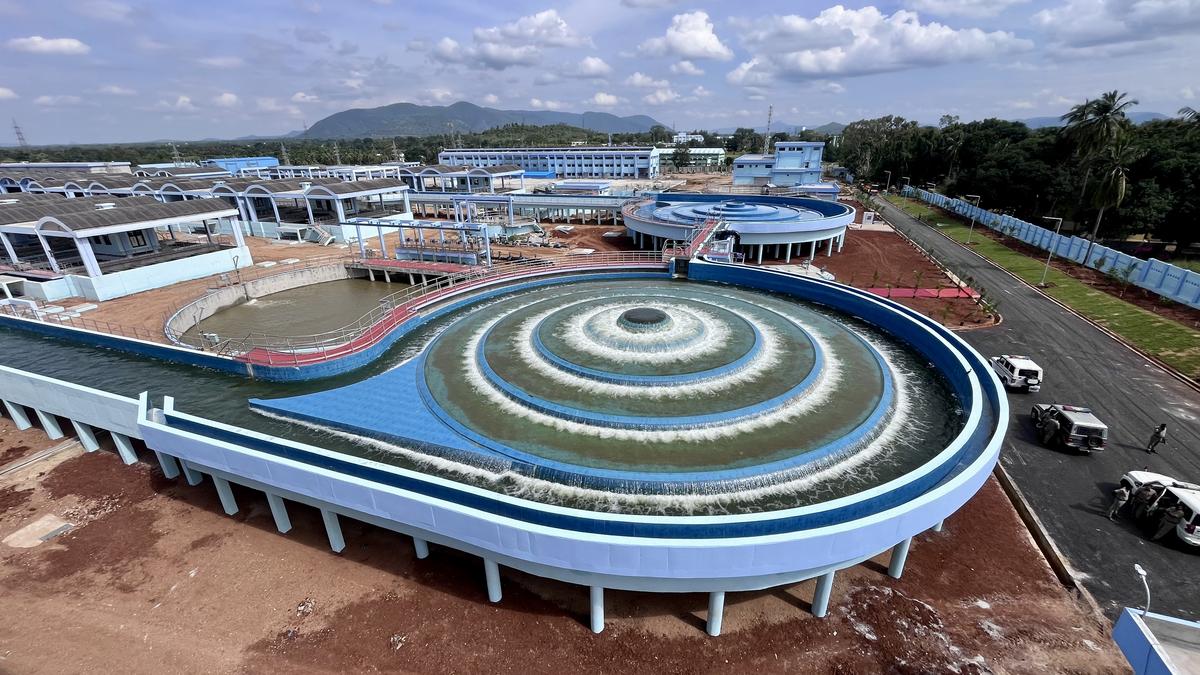
Bengaluru’s ambitious expansion of its water supply network under the Cauvery Stage V project is advancing on the ground, but the benefits remain out of reach for many residents as last-mile household connections lag behind. While major pipeline infrastructure has been laid across several parts of the city, the transition from network creation to actual water delivery is proving to be a critical bottleneck.
The project, designed to augment the city’s water supply capacity and extend access to newly developed areas, is a key component of Bengaluru’s response to rapid urban growth.However, the slow rollout of distribution connections is raising concerns about the effectiveness of large-scale infrastructure investments when end-user access remains incomplete. The ongoing challenges in the Bengaluru Cauvery Stage V rollout highlight the complexities of urban service delivery beyond core engineering works.Officials indicate that while trunk pipelines and major distribution lines are largely in place, connecting individual households requires additional coordination, approvals, and on-ground execution. This phase often involves navigating dense urban layouts, informal settlements, and existing utility networks, all of which can delay progress.For residents in peripheral and newly urbanised areas, the delay in connections means continued reliance on alternative water sources such as tankers and borewells. These sources are not only more expensive but also less reliable, placing financial and logistical burdens on households.
The gap between infrastructure readiness and service availability underscores a recurring issue in the Bengaluru Cauvery Stage V initiative—bridging the last mile.Urban planners note that such delays can dilute the intended impact of large infrastructure projects. While capital-intensive investments focus on expanding capacity, the absence of timely service delivery can limit improvements in quality of life and urban equity. Ensuring that infrastructure translates into accessible services is essential for inclusive urban development.There are also environmental implications. Continued dependence on groundwater extraction through borewells can accelerate depletion of aquifers, while tanker-based supply increases road traffic and associated emissions. A fully operational piped water network, by contrast, offers a more sustainable and efficient alternative.From a governance perspective, the situation highlights the need for integrated planning and execution. Coordinating multiple agencies, streamlining approvals, and improving communication with residents are critical to accelerating connection timelines.Digital tracking systems and community engagement could play a role in addressing these gaps.The project also reflects broader challenges faced by rapidly growing cities. As urban boundaries expand, extending essential services such as water supply becomes increasingly complex. Balancing speed, quality, and inclusivity in infrastructure delivery is a key test for city administrations.
As Bengaluru continues to invest in strengthening its water infrastructure, the focus will need to shift towards ensuring that the network reaches households efficiently.The success of the Bengaluru Cauvery Stage V project will ultimately be measured not by kilometres of pipelines laid, but by the number of residents who gain reliable access to clean water.
Also Read:Bengaluru Intermediate Ring Road To Connect Satellite Towns
