Mumbai Construction Waste Monitoring To Go Digital Soon
Mumbai is preparing to introduce a digital monitoring system for construction debris, marking a shift towards data-driven oversight in one of the city’s fastest-growing waste streams. The initiative aims to bring transparency and accountability to how construction waste is generated, transported, and disposed, an area long associated with regulatory gaps and environmental risks. The proposed platform will require developers and project stakeholders to formally register construction activities and declare waste generation estimates. Authorities intend to use this system to monitor movement of debris in real time, creating a traceable chain from project sites to designated disposal or recycling facilities. For a city producing thousands of tonnes of such waste daily, the Mumbai construction waste tracking effort could significantly alter how compliance is enforced.
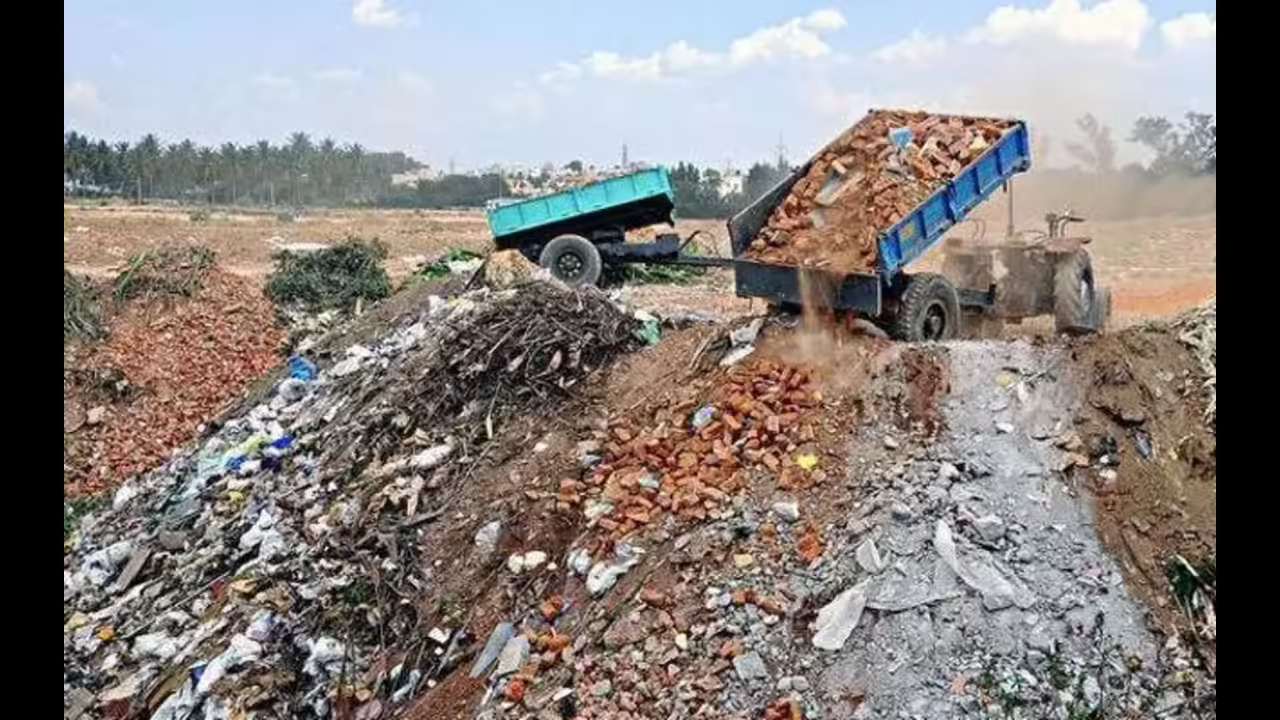
Construction and demolition debris has emerged as a major urban challenge, driven by ongoing infrastructure expansion and real estate redevelopment. Industry estimates suggest that daily volumes are comparable to municipal solid waste output, yet oversight mechanisms have lagged behind. Unregulated dumping in open spaces, water bodies, and peripheral areas continues to pose environmental and public health concerns, particularly in densely populated zones. Urban planners argue that the Mumbai construction waste tracking system reflects a broader need to integrate waste management into the lifecycle of urban development projects. By linking project approvals with waste reporting, the city could create stronger accountability frameworks. The planned integration with existing digital approval systems and vehicle monitoring networks is expected to streamline enforcement and reduce manual intervention. Transport vehicles carrying debris are likely to be equipped with location tracking tools, enabling authorities to verify whether waste reaches authorised processing sites. This could help curb diversion and illegal disposal, which have historically been difficult to monitor at scale. Experts note that such technological interventions, if implemented effectively, can improve both compliance rates and operational efficiency.
The initiative also has economic implications. A structured Mumbai construction waste tracking mechanism allows the civic body to better estimate volumes, plan logistics, and introduce user-based charges. This could create a more predictable system for waste collection while encouraging developers to minimise waste generation through improved construction practices. At the same time, the success of the system will depend on widespread adoption across stakeholders, including smaller contractors and independent builders who often operate outside formal compliance networks. Experts caution that without consistent enforcement and awareness, digital systems alone may not fully address entrenched practices. From a sustainability perspective, the move aligns with efforts to promote recycling and reduce landfill dependence. Existing processing facilities in the region handle only a fraction of the total waste generated, highlighting the need for both capacity expansion and better utilisation.
As Mumbai continues to grow, managing construction debris efficiently will be critical to maintaining environmental balance and urban liveability. The rollout of the Mumbai construction waste tracking platform signals an important step, but its long-term impact will hinge on governance, infrastructure readiness, and the willingness of stakeholders to adapt to a more transparent system.