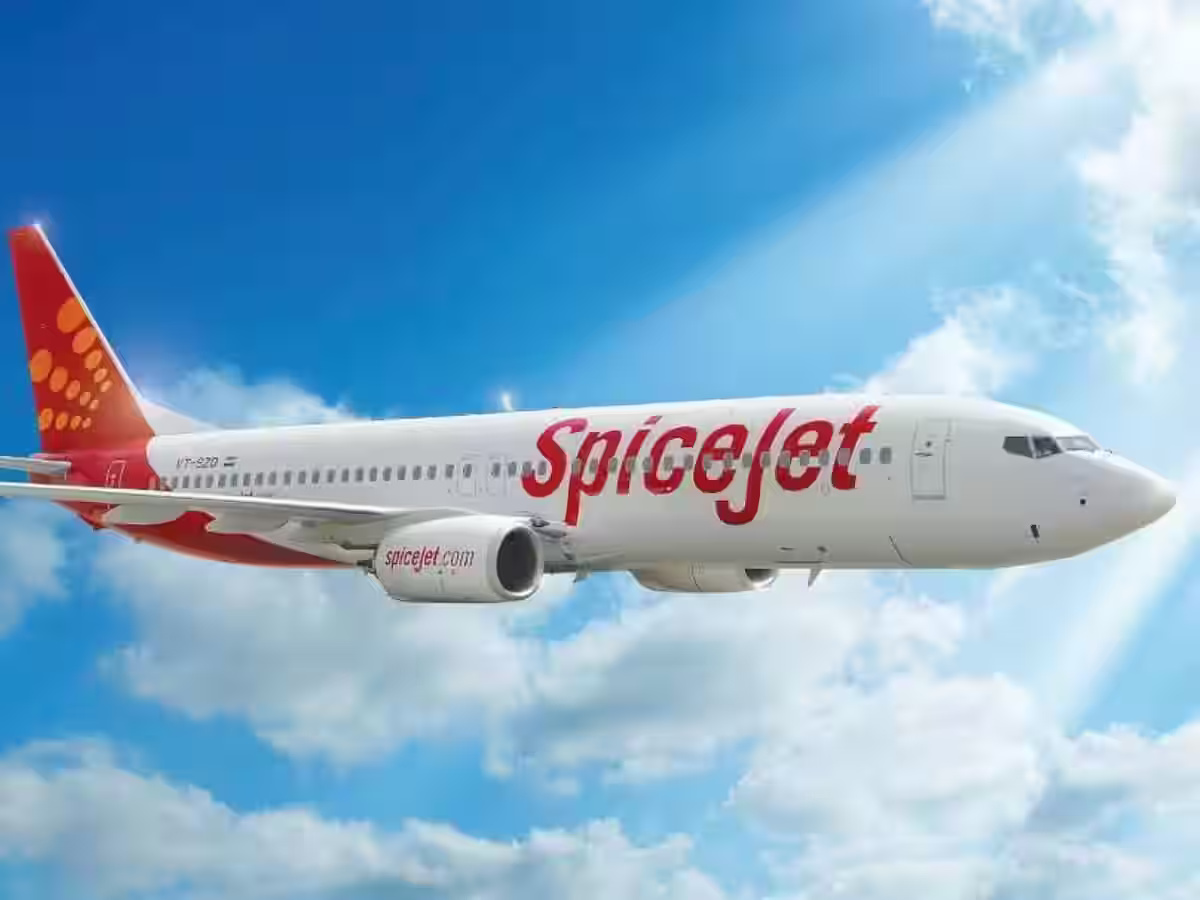
India’s aviation sector is preparing for one of its busiest winter seasons in recent years, with a major low-cost carrier expanding its operational fleet through the addition of five Boeing aircraft. The move, which brings its active fleet to 35, signals renewed confidence in domestic and international travel demand as passenger volumes continue to climb during the festive and holiday period.
According to senior airline officials, the latest induction includes a mix of Boeing 737 aircraft, among them one 737 MAX that has been restored from the airline’s grounded inventory. The remaining aircraft have been added under short-term lease arrangements designed to quickly enhance capacity. All five jets have already been deployed into commercial service, forming part of a larger expansion that saw 15 aircraft introduced within the past month. Industry analysts say the accelerated fleet expansion reflects both rising demand and the competitive pressure on carriers to secure market share during high-traffic seasons. The winter schedule typically sees a surge in domestic travel, driven by tourism, family visits, and business movements aligned with year-end activity. This year, operators are also anticipating increased international transit as more destinations reopen and travellers prioritise direct, affordable connectivity.
The carrier’s daily flights have grown from 100 at the end of September to 176 following the new inductions. Internal planners attribute this jump to a broader strategic focus on enhancing network reliability while catering to underserved routes. “The winter season requires higher operational resilience, and fleet enhancement is central to offering dependable travel options,” an airline official said, noting that the expanded schedule is expected to improve connectivity across both metros and regional airports. Aviation experts point out that while capacity expansion is essential, sustainable operations must remain central to long-term sectoral growth. India’s aviation industry has been under increasing scrutiny for its carbon footprint, prompting regulators and environmental researchers to encourage carriers to adopt fuel-efficient aircraft, optimise route planning, and integrate carbon-mitigation measures. The induction of newer-generation aircraft such as the 737 MAX, which offers better fuel efficiency, aligns partly with this transition, though analysts note that holistic emission strategies are still evolving.
For passengers, the immediate impact will be felt in greater seat availability, enhanced flight options, and potentially more stable fares during peak travel dates. However, experts emphasise that the broader challenge for the aviation ecosystem lies in aligning rapid growth with climate-resilient and inclusive mobility goals—particularly as cities strengthen their push towards cleaner and more equitable transport frameworks. With the winter travel season approaching, the carrier’s renewed focus on operational reliability and capacity-building suggests a more competitive landscape, one that must increasingly balance efficiency, affordability, and environmental responsibility in the years ahead.
SpiceJet Expands Fleet With Five New Boeing Aircraft For Winter Travel Surge