


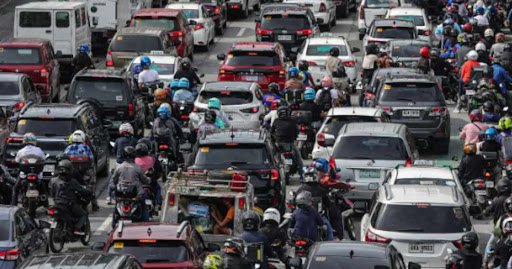
The Pune Municipal Corporation (PMC) has initiated the preparation of a Detailed Project Report (DPR) for three crucial roads in Wagholi, a significant step towards alleviating severe traffic congestion and enhancing connectivity. This move follows Wagholi’s official merger into PMC limits in 2023, addressing persistent resident concerns over inadequate road infrastructure.
The development signals a concerted effort to foster sustainable urban growth and improve daily commutes in this rapidly expanding Pune suburb. Since its inclusion into the PMC’s jurisdiction, residents of Wagholi have consistently voiced their frustration over the area’s burgeoning traffic woes, particularly along the arterial Nagar highway. The rapid urbanisation and population influx, without commensurate infrastructure development, have led to an infrastructural deficit that impacts daily life and economic activity. The demand for alternative routes to decongest the existing arterial stretch has grown louder, underscoring the critical need for proactive urban planning and investment to manage the challenges of metropolitan expansion effectively.
A senior official from PMC’s road department confirmed the commencement of the DPR process, indicating that a consultant is currently being appointed to draft the comprehensive report. This document will meticulously detail crucial aspects such as route alignment, feasibility studies, and precise land requirement assessments. The PMC anticipates the DPR to be finalised within the next six months, setting a clear timeline for the initial phase of this vital infrastructure project. This systematic approach is essential for ensuring that the development is well-planned and executed efficiently, minimising future disruptions.
Recognising the urgency, PMC has opted to proceed with roadworks identified in the existing Regional Plan (RP), bypassing potential delays associated with the pending approval of Wagholi’s comprehensive Development Plan (DP). This pragmatic decision prioritises immediate relief for commuters and residents, focusing on three high-priority routes deemed critical for improving traffic flow. While interim traffic management solutions are also being explored, the long-term vision remains the creation of robust, permanent infrastructure that can sustain Wagholi’s growth.
However, the path to improved connectivity is not without its challenges. Even as PMC has commenced widening some internal roads in Wagholi, the process has encountered hurdles, primarily due to encroachments and complexities in land acquisition. These issues are common in rapidly developing urban peripheries and necessitate careful stakeholder engagement and equitable compensation mechanisms to ensure smooth implementation. Overcoming these obstacles is crucial for the timely delivery of projects that are vital for the area’s sustainable development, preventing delays that can exacerbate environmental impacts through prolonged congestion and inefficient transport.
Residents, particularly those commuting daily between Wagholi and Nagar Road, have expressed cautious optimism regarding the PMC’s initiative. As articulated by Arvind More, a Wagholi resident, the prospect of parallel routes to the highway offers significant hope for alleviating the worsening traffic situation. The emotional appeal of reduced travel times and improved quality of life underscores the human angle of this infrastructure project. If executed efficiently and on schedule, these new roads hold the potential to transform daily commutes, fostering greater accessibility and contributing to a more equitable urban experience for all.
Ultimately, the PMC’s commitment to developing these key roads in Wagholi is a testament to its evolving role in integrating newly merged areas into the broader urban fabric. This initiative is not merely about constructing roads; it is about building a more sustainable, eco-friendly, and equitable future for Wagholi. By addressing core infrastructure deficiencies, the PMC aims to create a well-planned urban extension that supports economic activity, enhances environmental quality by reducing traffic-related emissions, and ensures improved mobility and access for all its citizens, paving the way for a truly smart and inclusive city.
Also Read :Chennai Opens One Arm of Singaperumal Koil Flyover, Reduces Highway Congestion
