


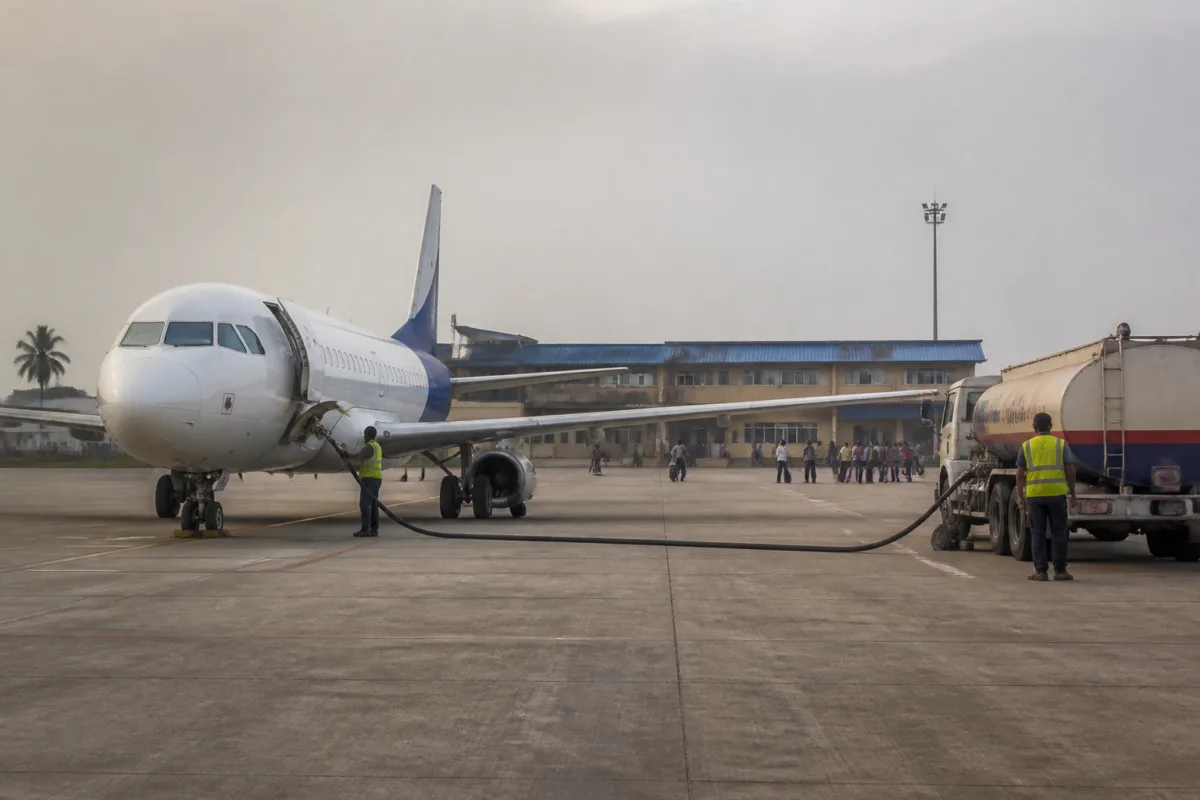
Rising aviation turbine fuel (ATF) prices have pushed Star Air to reduce its daily flights, while Indian airlines are asking the Civil Aviation Ministry to revive a price-stabilisation fund intended to protect carriers from sudden fuel-cost increases.
Star Air, one of India’s regional airlines, operated 68 flights a day in its summer schedule but has reduced that number to 52 in the winter schedule, according to a report by Aaj Tak Business. The airline cited high jet-fuel prices as the reason for cutting operations despite rising demand for air travel and fleet expansion by carriers.
ATF prices have moved sharply in 2026. According to the report, the fuel cost about ₹105 per litre in March and rose to approximately ₹207 per litre in April. It was around ₹115 per litre when the government approved a price-stabilisation plan in June and stood at about ₹137 per litre in October.
The increase has created pressure on airlines because additional flights do not necessarily translate into higher returns when fuel costs remain elevated. Industry representatives told Aaj Tak Business that carriers are reassessing their operations, including the number of flights on selected routes and plans to launch new services.
The aviation industry is also dealing with operational challenges linked to international airspace restrictions and geopolitical tensions in the Middle East. Air India and IndiGo have been affected by restrictions on the use of Pakistani airspace. Air India chief executive officer Campbell Wilson raised the issue at an Aviation India event in Delhi, saying Indian airlines were facing additional operational pressure that was not being experienced by some international competitors, the report said.
The ATF Price Stabilisation Fund was approved by the Union Cabinet in June 2026. Under the plan, oil marketing companies were to receive one-time budgetary support of up to ₹10,000 crore. The stated objective was to protect Indian airlines operating domestic and international services from sudden increases in ATF prices.
However, the scheme was discontinued about a month after approval because airlines did not show sufficient interest, according to the report. Airline executives objected to conditions that required carriers to purchase fuel from a designated oil marketing company, sign a memorandum of understanding immediately and terminate certain existing agreements.
An airline official told Aaj Tak Business that carriers had not expected fuel prices to rise so sharply when the original scheme was proposed. The industry is now seeking a revised framework with different conditions that could make participation more practical for airlines.
Regional carriers have also asked the government to account for their role in maintaining air links to smaller cities and routes that larger airlines may not find commercially attractive. A representative of a regional airline said four or more regional operators account for about 3% of total ATF consumption but serve between 30% and 35% of routes where other airlines show limited interest.
The pressure on fuel costs therefore extends beyond airline balance sheets. Any reduction in regional services could affect passengers in smaller cities, where limited air connectivity leaves fewer travel options. Another senior regional-airline official said the company was not seeking a special concession, but that restarting the stabilisation scheme would provide relief to the sector as a whole.
For now, airlines are balancing operating costs against flight frequency. The industry’s response will depend on whether the government revises and revives the ATF price-stabilisation framework and whether fuel prices remain elevated.

