


The Karjat hydropower project has received strong public backing from Rayat Kranti Sanghatana leader Sadabhau Khot, who said the proposed facility could generate 3,000 megawatts of electricity for residents and farmers. Speaking to Lokmat, Khot also defended the government’s interim assistance to farmers facing drought-like conditions and criticised opposition to the project over the proposed felling of 32,000 trees.
Khot said the government’s assistance of Rs 5,000 to farmers should be viewed as an advance payment rather than the final compensation for crop losses. He acknowledged that the amount was not enough for farmers to celebrate Diwali, but said the administration had taken the decision as immediate relief during a crisis.
According to Khot, around 150,000 farmers would receive the interim assistance. He said the final compensation would be determined after the completion of damage assessments, known as panchnamas, and would be provided through the Centre and Maharashtra government. He urged opposition parties to suggest alternatives instead of politicising the drought situation.
The Karjat project has become a point of contention because of its potential environmental impact. Khot argued that Maharashtra needs additional electricity and that power generated from coal is expensive. He said the hydropower facility would produce 3,000 megawatts and that the electricity would benefit the public and agricultural consumers. The report does not provide details of the project’s construction schedule, generating capacity approval, financing structure or land acquisition process.
Defending the tree-felling proposal, Khot compared the controversy with the use of land and removal of trees for affluent developments such as Lavasa and Aamby Valley. He said objections to cutting 32,000 trees for power intended for poorer households and farmers were misplaced. Khot added that farmers could plant trees and fruit orchards if a reliable and affordable electricity supply improved access to irrigation.
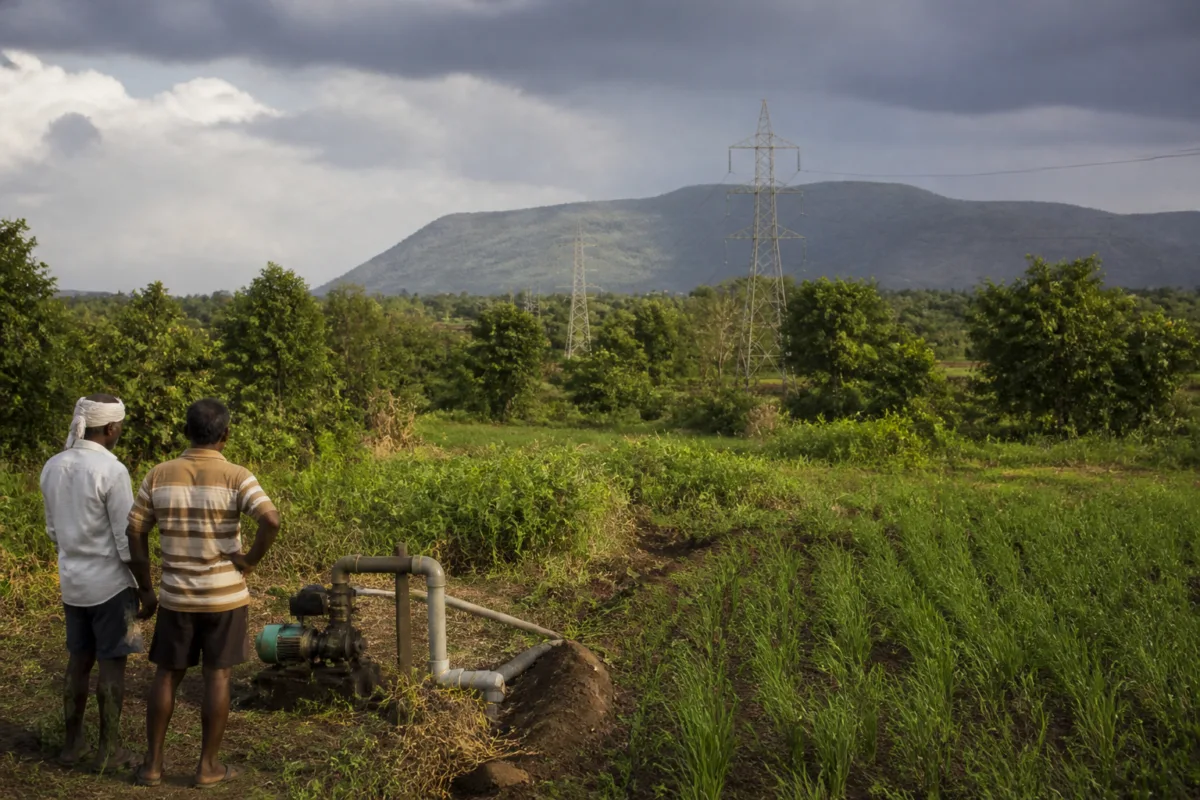
The electricity issue is closely connected to farm operations in areas dependent on irrigation pumps. Khot said farmers often work at night during load-shedding and face risks from snakes and scorpions while watering their fields. His comments frame the project as an energy and agricultural-support measure, but the supplied report does not establish whether the facility has received all statutory environmental, land or construction clearances.
Khot also demanded restrictions on private microfinance companies, alleging that some were charging women and farmers interest rates of 35 to 36 per cent and using coercive recovery practices during the drought. He warned that his organisation would take action against recovery staff, although the report does not cite a government response to the allegation or provide details of any regulatory proceedings.
The next formal steps mentioned in the report are the completion of crop-loss assessments and the release of final compensation through the central and state governments. No implementation timeline or official project schedule for the Karjat hydropower facility was provided.

