Maharashtra Links Bird Conservation With AI Technology
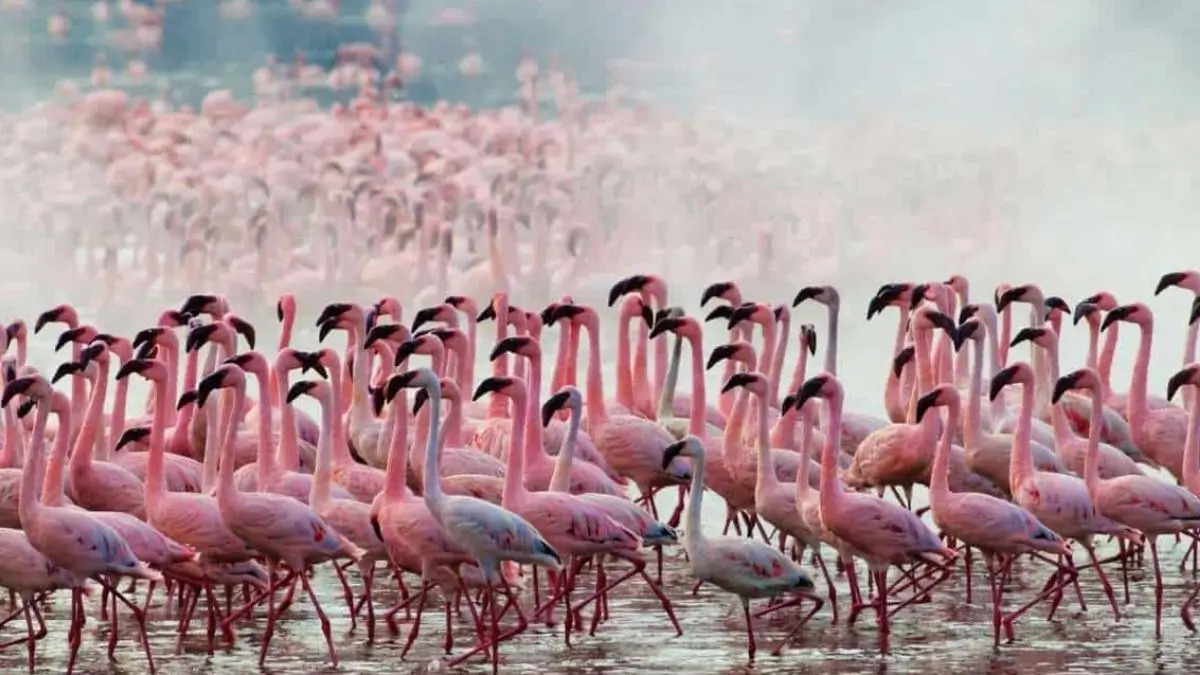
Maharashtra is preparing a ₹45 crore Eco-Nature Park at the Thane Creek Flamingo Sanctuary, combining wildlife monitoring with public-facing nature infrastructure. The project will include an AI-enabled bird detection centre and camera-based monitoring across about 1.5 km of the sanctuary. The move places technology at the centre of conservation planning in one of the Mumbai region’s most important coastal wetland landscapes. The Thane Creek Flamingo Sanctuary sits between Mumbai and Navi Mumbai and supports large seasonal populations of flamingos and other waterbirds. The wetland is also part of the Central Asian Flyway, an international migratory route used by birds travelling between breeding and wintering grounds across Asia.
The proposed monitoring system is intended to make ecological observation more continuous. AI-enabled cameras will be used to identify bird species and record changes in bird numbers and movement. Such data could help researchers understand migration patterns and detect shifts in the wetland ecosystem over time. For the Thane Creek Flamingo Sanctuary, that capability could become increasingly relevant as coastal ecosystems face pressure from urban expansion, pollution, infrastructure construction and changing weather patterns. Automated monitoring cannot replace field-based ecological surveys, but it can provide a larger and more consistent stream of observations for scientists and conservation managers. The project also introduces a tourism dimension. Plans include nature trails, birdwatching towers, interpretation facilities and digital displays that can help visitors recognise species and understand the wetland. The challenge will be to ensure that increased public access does not create additional pressure on sensitive bird habitats.
Urban planners and environmental specialists note that wetlands perform functions that extend well beyond wildlife protection. Coastal wetlands can support biodiversity, retain ecological buffers and contribute to the resilience of urban regions exposed to flooding and extreme weather. Protecting these areas therefore has implications for Mumbai’s wider climate adaptation strategy. The Thane Creek Flamingo Sanctuary also illustrates the tension between metropolitan growth and ecological preservation. Mumbai and Navi Mumbai continue to add transport, housing and commercial infrastructure around the creek, increasing the importance of monitoring environmental change alongside physical development. The ₹45 crore allocation will ultimately need to translate into measurable conservation outcomes rather than simply new visitor infrastructure. Clear biodiversity indicators, responsible visitor management and long-term maintenance of the monitoring system will be important to assess whether the technology delivers lasting value.
If implemented with ecological safeguards, the initiative could provide Mumbai’s wider metropolitan region with a stronger evidence base for managing its coastal wetlands. Its success will depend not on the novelty of AI, but on whether better information leads to better protection of the habitat.