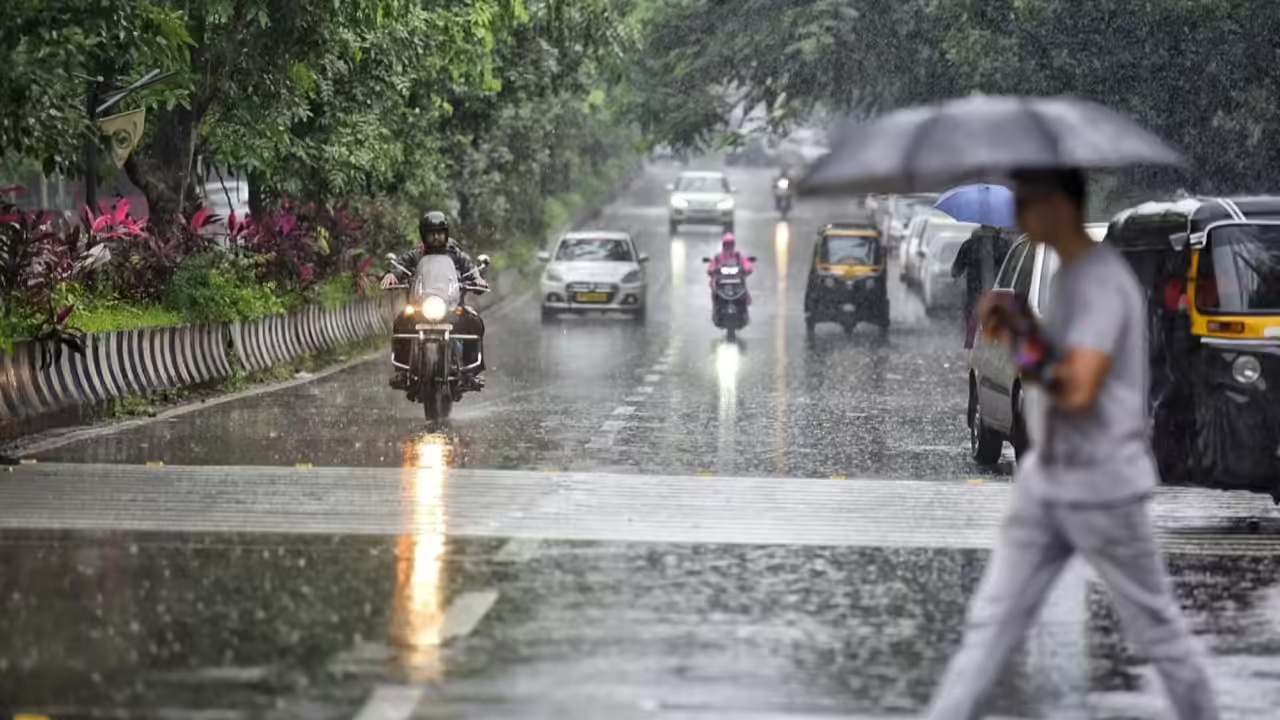
Mumbai is set for a relatively subdued rain day on Tuesday, with the India Meteorological Department forecasting generally cloudy conditions and light rain across the city. The forecast comes as the monsoon enters September, when rainfall patterns become less predictable and urban systems remain sensitive to short, intense spells. A high tide of 4.23 metres is also expected, keeping drainage and coastal mobility on the civic watchlist. The Mumbai weather outlook from the IMD indicates a maximum temperature of around 33°C and a minimum of 27°C at Santacruz. The official forecast describes generally cloudy skies with light rain and carries no weather warning for the city. The forecast for the following days points towards moderate rain, suggesting that the transition into September may still bring wet conditions even without an immediate severe-weather alert.
For Mumbai’s transport network, the distinction between light rainfall and heavier bursts remains important. Even modest rain can slow traffic when it coincides with peak commuting hours, while intense short-duration showers can quickly expose weaknesses in road drainage, junction design and pedestrian infrastructure. The Mumbai weather pattern therefore matters beyond umbrellas and traffic updates; it also provides a daily test of how the city manages rainfall at street level. The coastal setting adds another layer. The day’s first high tide is forecast for 2.05pm at 4.23 metres, followed by a second high tide early on September 2. The low tide is expected at 8.13pm at 0.61 metres.
When significant rainfall overlaps with high tide, stormwater can take longer to drain into the sea, increasing the potential for temporary waterlogging in vulnerable locations. The weather also arrives as Mumbai’s water-storage position remains relatively strong. The city’s seven drinking-water reservoirs held 13,87,618 million litres, or 95.87% of live storage, as of September 1. That is slightly below the corresponding levels recorded in 2025 and 2024, but still provides a substantial buffer for the city’s water supply.
For residents, the immediate forecast points to routine monsoon precautions rather than a major weather disruption. But urban planners and infrastructure specialists increasingly view these daily conditions as part of a wider resilience challenge. Maintaining clear drains, safe footpaths and reliable public transport during changing rainfall patterns will remain important as Mumbai moves through the final weeks of the monsoon.