Pune and Pimpri-Chinchwad have achieved broad physical access to public transport, but the frequency of services remains a major gap, according to the latest People Near Transit assessment. While most residents can reach a bus stop within a short walk, far fewer have access to frequent services. The finding highlights a key challenge for a growing urban region: proximity to transit does not automatically make public transport a practical alternative to private vehicles.
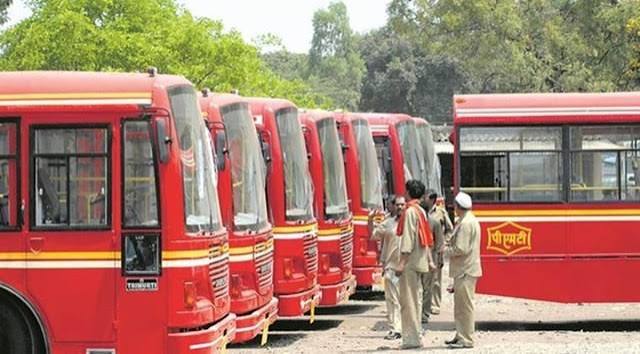
The People Near Transit Study 2026, prepared with technical support from the Institute for Transportation and Development Policy, was presented to the Pune Mahanagar Parivahan Mahamandal Limited (PMPML) board on August 24. Its findings indicate that about 94% of residents across Pune and Pimpri-Chinchwad live within a five-to-10-minute walk of public transport. However, only around 21% are served by buses arriving at five-minute intervals. This distinction is important for how the region measures transit performance. A nearby stop may provide nominal access, but long waiting times can make buses less attractive for workers, students and other daily commuters with fixed schedules. The numbers also point to the operational challenge facing PMPML. The undertaking runs roughly 2,000 buses across more than 450 routes, giving it a wide geographical footprint. Yet improving coverage and improving service frequency require different interventions. The latter depends on fleet availability, route planning, traffic conditions, bus priority measures and the efficient deployment of vehicles during peak periods.
For Pune, the issue has wider implications than convenience. Frequent and reliable buses can reduce dependence on two-wheelers and cars, particularly on corridors where road congestion is already limiting travel speeds. A stronger public transport system can also improve access to employment and education without requiring households to bear the cost of private vehicle ownership. Urban planners say the next stage of transit planning should therefore focus not only on how many people live near a bus route, but also on how often that service operates and how reliably it connects major residential, employment and institutional areas. Better frequency can increase the practical catchment of existing routes without necessarily requiring extensive new road infrastructure.
The study offers a useful benchmark as Pune expands its wider public transport network. The priority now is to convert physical accessibility into dependable daily mobility. For a city seeking cleaner air, lower congestion and more equitable access to opportunities, Pune public transport will ultimately be judged by how useful it is when people need to travel—not simply by how close the nearest bus stop happens to be.