Hyderabad Water Conservation Efforts Gain Wider Interest
Hyderabad’s approach to restoring and protecting urban water bodies is drawing attention from city administrators outside Telangana, with a team of Bihar officials visiting Nalla Cheruvu in Kukatpally to examine ongoing conservation measures. The visit highlights the growing importance of urban lakes as infrastructure for flood management, environmental protection and climate resilience.
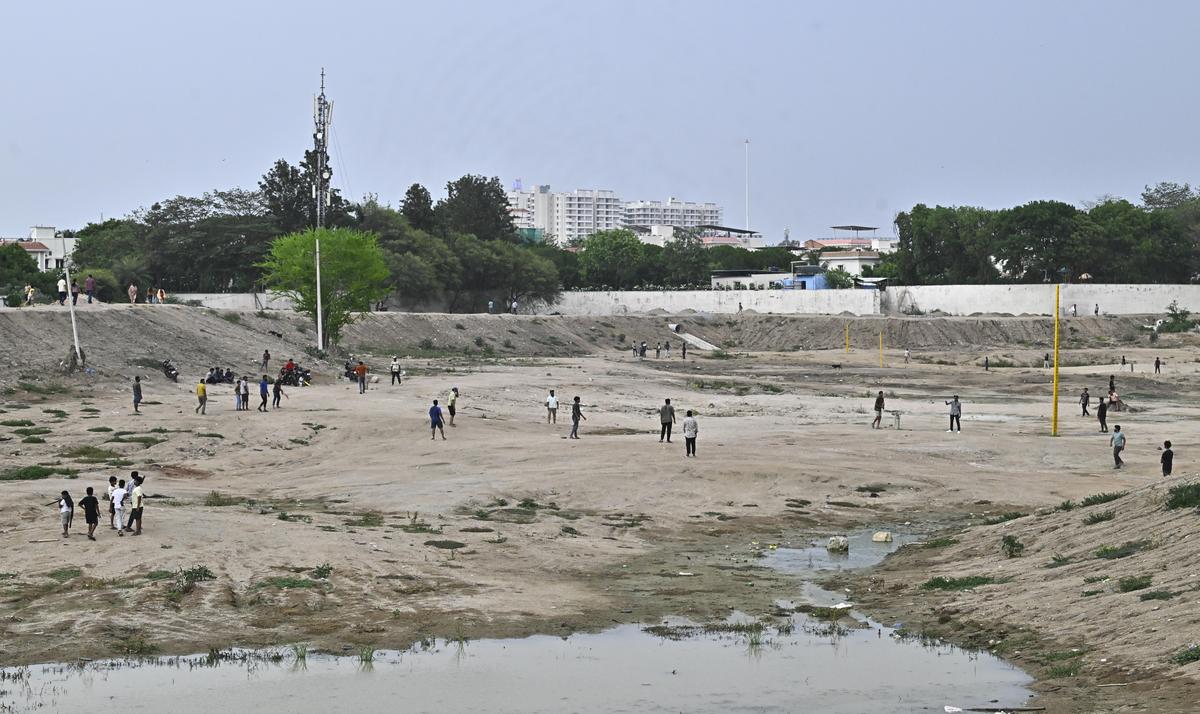
The officials, including senior administrative officers, were in Hyderabad as part of a leadership programme on managing urban transformation organised by the Administrative Staff College of India. Their visit to Nalla Cheruvu provided an opportunity to examine how lake restoration is being undertaken within a densely developed urban setting. The Hyderabad lake restoration effort at Nalla Cheruvu has included action against encroachments and subsequent restoration and improvement works. The water body is surrounded by extensive residential development, making its capacity to retain and convey stormwater particularly important during intense rainfall. For rapidly urbanising cities, this function is increasingly significant. As natural surfaces are replaced by buildings, roads and other hard infrastructure, rainwater has fewer places to infiltrate the ground. Existing lakes, drainage channels and wetlands can therefore act as natural components of the city’s flood-management network.
The experience at Nalla Cheruvu also illustrates the connection between land-use planning and water security. Protecting a lake cannot be treated solely as an environmental exercise if surrounding development continues to alter natural drainage patterns. Maintaining feeder channels and preventing new encroachments are equally important to ensure that restored water bodies continue performing their hydrological role. The Hyderabad lake restoration programme is consequently relevant beyond the immediate improvement of individual lakes. For city managers, the larger lesson lies in integrating water-body conservation with urban planning, drainage management and development controls. Urban planners say such exchanges can help cities compare approaches to managing their own water assets. However, successful replication would require an understanding of local geography, rainfall patterns, catchment characteristics and development pressures rather than simply transferring one city’s model to another.
Nalla Cheruvu’s location amid a heavily built-up neighbourhood also underlines the economic value of retaining natural water infrastructure. Preventing flooding can reduce disruption to homes, businesses and transport networks, while healthier water bodies can contribute to the quality and liveability of surrounding communities. The visit comes as Indian cities face increasingly uneven rainfall and growing pressure on drainage systems. Restoring lakes can form one part of a broader resilience strategy, alongside permeable surfaces, functioning stormwater drains, wetland protection and better land-use regulation. For Hyderabad, the challenge now is to ensure that restoration translates into long-term protection. The durability of the city’s water infrastructure will depend not only on cleaning and rejuvenating lakes, but also on safeguarding their catchments and preventing future pressures from undermining their flood-buffering capacity.