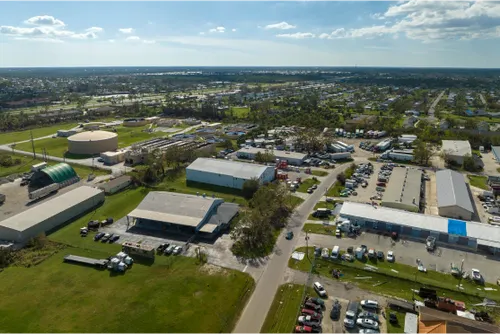
Pune Chakan Industries Halt Relocation Plans For Now
Twenty industrial units in Pune’s Chakan manufacturing belt have decided against relocating after the Maharashtra government moved to address long-standing infrastructure problems in the industrial area. The decision offers temporary relief to a major employment and manufacturing cluster, but industry representatives say the outcome will ultimately depend on whether promised improvements reach the ground within the proposed timelines.
The reversal follows a series of meetings between industrial representatives and state authorities over deteriorating roads, traffic congestion and gaps in basic services. The concerns extend beyond factory gates. Poor connectivity and unreliable civic infrastructure can raise logistics costs, increase travel times for workers and weaken the operating environment for businesses that depend on predictable movement of goods. A key administrative step has been the appointment of a nodal officer to coordinate work between multiple government agencies. The arrangement is intended to reduce the delays that often arise when roads, drainage, utilities, policing and industrial infrastructure fall under different authorities. For Chakan infrastructure, coordination will be critical because isolated repairs are unlikely to resolve problems across such a large industrial network. The proposed response includes short-, medium- and long-term measures, with infrastructure works expected to be completed over a defined period. Industry representatives have welcomed the administrative intervention but have also indicated that their assessment will depend on measurable improvements rather than announcements.
The pressure is significant because Chakan is closely linked to Maharashtra’s automobile and engineering economy. The industrial belt supports manufacturers, suppliers, logistics operators and thousands of workers. Disruptions in road access, water availability, electricity or waste management can therefore have consequences beyond individual companies, affecting supply chains and the wider regional economy. Road conditions remain among the most visible concerns. Heavy industrial traffic places additional pressure on urban infrastructure, while congestion can increase fuel consumption and emissions. A longer-term Chakan infrastructure strategy will therefore need to consider freight movement alongside public transport, drainage, pedestrian safety and access for workers.
Water supply, waste handling and power reliability are equally important. Industrial growth without adequate municipal services can create costs for both businesses and surrounding communities. Better planning could also help the region accommodate future investment without worsening pressure on nearby residential areas. The decision by the 20 units to remain in Chakan gives authorities an opportunity to demonstrate whether coordinated infrastructure delivery can restore confidence. The next test will be implementation: roads, utilities, mobility and public services must improve consistently, while progress remains visible to both businesses and the communities living around the industrial corridor.