Pune Rain Alert Puts Urban Resilience Under Pressure
Pune: Heavy monsoon rainfall pushed parts of Maharashtra into emergency mode on July 6, with schools shut across Pune and educational institutions closed in Mumbai, Thane and Navi Mumbai. The disruption highlights a growing urban challenge: extreme rainfall is increasingly testing transport networks, public infrastructure and the ability of cities to protect residents without halting economic activity.
Pune district faced the strongest warning, with the India Meteorological Department issuing a red alert for extremely heavy rainfall. The district administration consequently ordered a one-day closure for schools and anganwadis across urban and rural areas. Teachers and non-teaching staff were still required to remain available for duties linked to disaster management. Mumbai followed a different alert category, with the IMD warning of heavy rainfall and strong winds. Government, private and civic-run schools and colleges were closed as a precaution, while offices continued to operate. Similar closures were announced in Thane and Navi Mumbai, extending the disruption across a wider metropolitan region rather than limiting it to individual municipal boundaries. The scale of rainfall also exposed the pressure on existing urban systems. Mumbai recorded substantial rainfall during the preceding 24-hour period, while parts of Pune district reported very high totals.
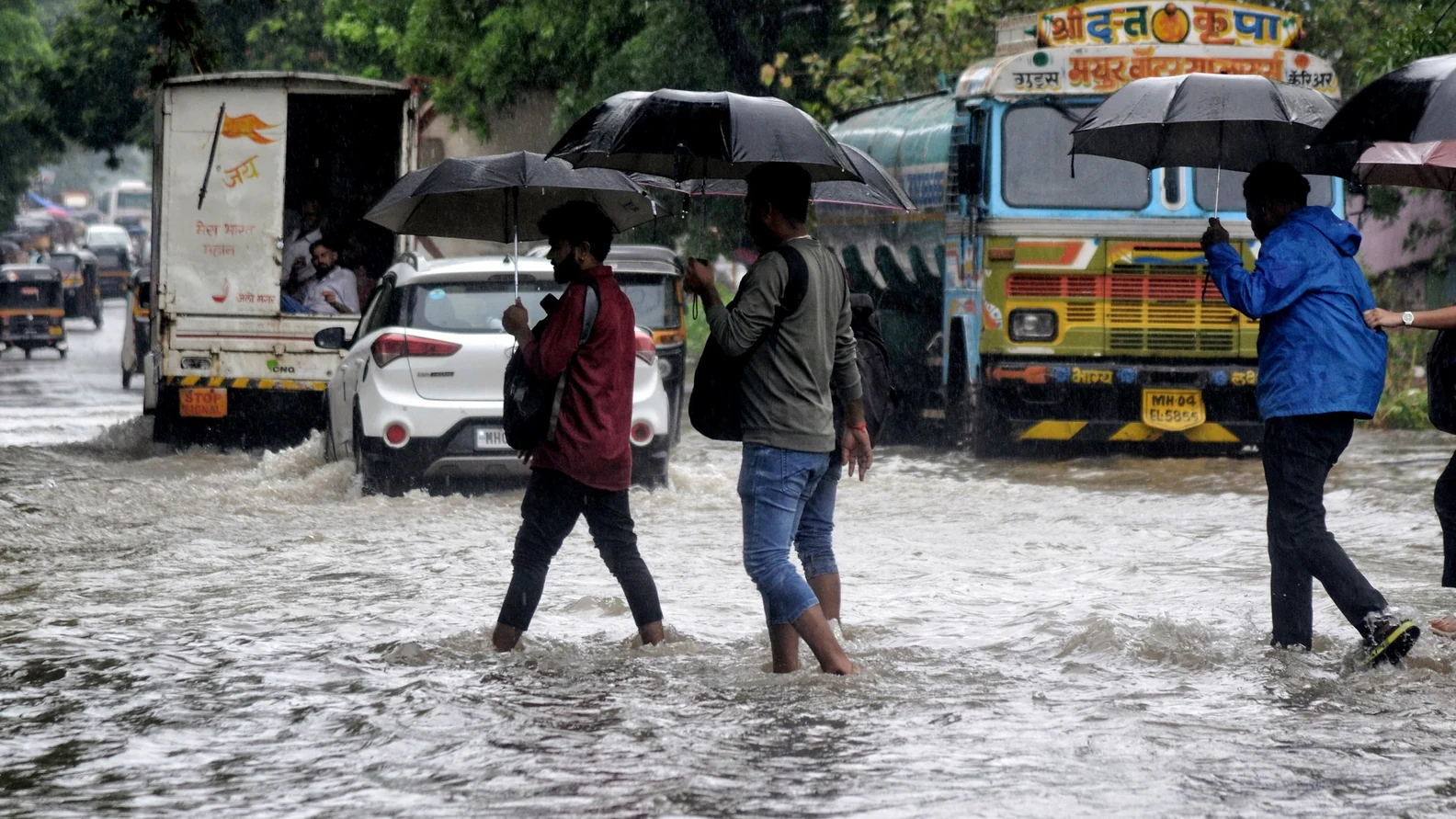
Several roads in Pune district were affected by water accumulation, although key rail and national highway links were initially reported to remain operational. For rapidly expanding cities, the significance goes beyond a single day’s school closure. Urban planners say intense rainfall can expose weaknesses in drainage capacity, road design, tree management and emergency access, particularly where development has increased paved surfaces and reduced natural water absorption. This makes urban resilience increasingly relevant to real estate and infrastructure planning. New housing, commercial districts and transport corridors need to account for rainfall intensity, surface drainage and safe evacuation routes from the earliest planning stages. Building expansion without corresponding climate-risk assessment can increase pressure on existing civic systems.
The episode also underlines the importance of coordinated metropolitan planning. Pune, Mumbai, Thane and Navi Mumbai operate through different civic administrations, but residents, workers and students move across these boundaries every day. Weather-related decisions therefore have consequences for regional mobility, businesses and household incomes. The immediate priority remains public safety, but the longer-term lesson is infrastructure preparedness. For Maharashtra’s expanding urban corridors, climate resilience will increasingly depend on stronger drainage systems, safer streets, reliable public transport and development decisions that work with natural water flows rather than against them.