HomeCitiesMumbai Metro Maintenance Work Boosts Track Safety Mumbai Metro Maintenance Work Boosts Track Safety
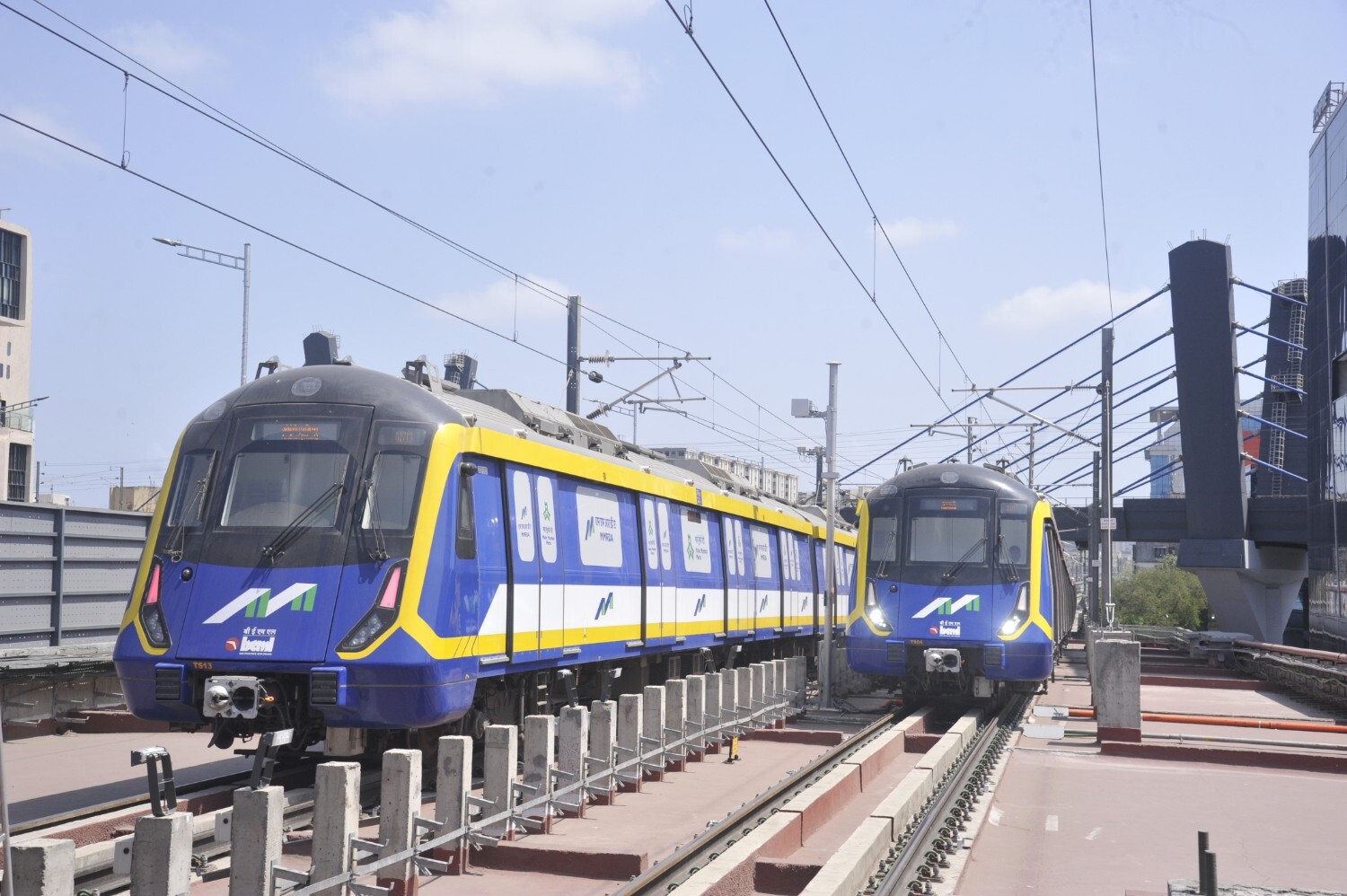
Mumbai’s oldest metro corridor has entered a scheduled maintenance phase aimed at improving operational safety and ride quality, with short-term service slowdowns expected across sections of the line. The ongoing intervention, involving rail grinding work, reflects the increasing focus on lifecycle maintenance as urban transit systems mature and passenger volumes continue to rise. The activity involves smoothing out microscopic irregularities on the rail surface, a process that helps reduce vibration, noise, and long-term wear. While largely invisible to commuters, such interventions are critical to maintaining system reliability, particularly on corridors that have been in continuous operation for over a decade. Authorities have introduced temporary speed restrictions as part of standard safety procedures, leading to marginal delays during peak travel hours.
Urban mobility experts note that the Mumbai metro maintenance work signals a shift in how Indian cities are approaching transit infrastructure—not just as capital projects but as systems requiring sustained upkeep. As metro networks expand rapidly across metropolitan regions, maintaining track integrity and passenger safety is becoming as important as building new lines. For daily commuters, the immediate impact is limited to slightly longer travel times. However, officials indicate that proactive maintenance helps prevent larger disruptions in the future, such as unscheduled shutdowns or service interruptions caused by track faults. In this sense, the current slowdown is seen as a trade-off for improved long-term reliability. The development also coincides with continued progress on other metro corridors in the city. Recent engineering milestones on under-construction lines, including the installation of complex steel spans over active railway routes, highlight the scale of infrastructure being added to Mumbai’s transport network.
Together, these efforts are expected to enhance connectivity across east–west and north–south corridors, reducing dependence on road-based transport. From a sustainability perspective, maintaining efficient metro operations is central to reducing urban emissions. Reliable public transport systems encourage a shift away from private vehicles, contributing to lower congestion and improved air quality. Ensuring that existing lines operate smoothly is therefore integral to broader climate and mobility goals. However, experts caution that maintenance planning must be carefully managed to minimise inconvenience, particularly in a city where public transport is a lifeline for millions. Clear communication, predictable schedules, and coordination with other modes of transport can help mitigate the impact on commuters.
The current Mumbai metro maintenance work is part of a broader trend towards asset management in urban infrastructure, where the focus extends beyond expansion to include durability and performance. As the city’s metro network continues to grow, balancing construction with consistent upkeep will be key to delivering a resilient and commuter-friendly transit system.
Mumbai Metro Maintenance Work Boosts Track Safety