


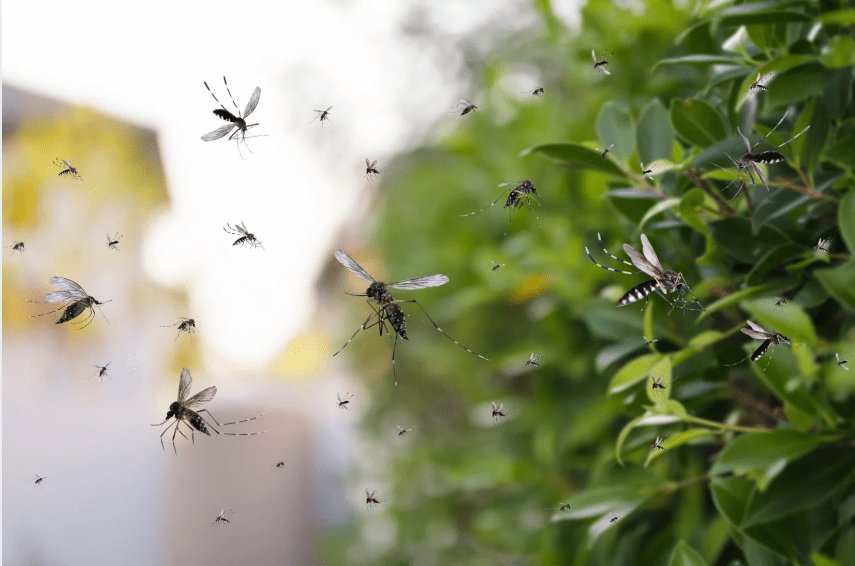
Chennai’s civic and health authorities have been directed to systematically identify mosquito breeding hotspots across the city, underscoring the urgency of strengthening vector control measures amid recurring public health concerns. The directive places renewed focus on proactive surveillance and coordinated action to address the root causes of mosquito proliferation in dense urban environments.
The move highlights the growing importance of Chennai mosquito control strategies as the city grapples with seasonal outbreaks of vector-borne diseases. Rapid urbanisation, coupled with gaps in drainage, waste management, and water storage practices, has created conditions conducive to mosquito breeding, particularly in low-lying and high-density areas.Officials are expected to map vulnerable zones, including stagnant water bodies, construction sites, clogged drains, and poorly maintained public spaces. This data-driven approach aims to enable targeted interventions rather than reactive measures, which have historically struggled to contain outbreaks effectively.Urban health experts note that the effectiveness of Chennai mosquito control depends on sustained, multi-agency coordination. While municipal bodies are responsible for sanitation and waste management, health departments play a key role in surveillance, awareness campaigns, and medical response. Integrating these functions is essential to reduce duplication and improve efficiency.The directive also brings attention to infrastructure gaps that contribute to the problem. Inadequate drainage systems, irregular waste collection, and unregulated construction activities often lead to water stagnation—ideal conditions for mosquito breeding.
Addressing these structural issues is critical for long-term prevention, beyond short-term fogging and spraying operations.From a public health perspective, the stakes are significant. Vector-borne diseases such as dengue and chikungunya continue to pose risks, particularly during and after monsoon seasons. Vulnerable populations, including children and the elderly, are disproportionately affected, making preventive action a priority for urban governance.There is also a community dimension to the issue. Household-level practices, such as improper water storage and waste disposal, contribute to breeding conditions. Experts emphasise the need for public awareness and participation in eliminating potential breeding sites. Behavioural change, supported by clear communication and civic engagement, can significantly enhance the impact of official measures.Environmental considerations further complicate the challenge. Climate variability, including rising temperatures and erratic rainfall, is altering mosquito breeding patterns, potentially extending transmission seasons.Cities like Chennai must therefore adopt adaptive strategies that account for these changing conditions.Urban planners suggest that integrating vector control into broader city planning frameworks can yield better outcomes. Designing efficient drainage systems, ensuring regular maintenance of public spaces, and incorporating health considerations into infrastructure projects are key steps towards building resilient urban environments.
As authorities move to implement hotspot mapping and targeted interventions, the focus will be on translating directives into measurable outcomes. Strengthening Chennai mosquito control systems will require not only administrative action but also sustained investment in infrastructure, technology, and community engagement to safeguard public health in a rapidly evolving urban landscape.
Also Read:Chennai Waste Segregation Infrastructure Impacts Road Access
