


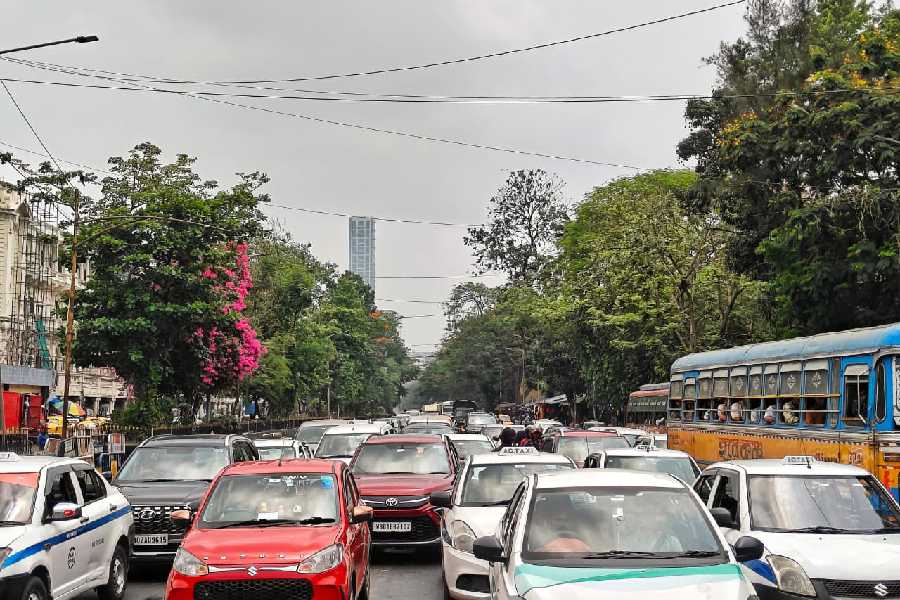
Kolkata’s road network is facing significant strain as traffic diversions linked to election-related movements disrupt routine mobility across key corridors. Authorities have rolled out temporary traffic management plans to regulate vehicle flow, but commuters continue to experience delays, highlighting the fragility of urban transport systems during high-intensity civic events.
Police have identified multiple arterial routes and junctions where congestion is likely to peak due to restricted access and redirected traffic. These measures, introduced to manage the movement of polling personnel, security forces, and election logistics, have altered regular traffic patterns across several parts of the city. The situation has brought the issue of Kolkata traffic diversions into sharp focus, particularly in areas already prone to congestion.While such disruptions are often short-term, their impact on daily life can be substantial. Office commuters, public transport users, and logistics operators are among those affected, with travel times increasing during peak hours. For a city with a dense and mixed traffic ecosystem, even minor route changes can trigger cascading delays across interconnected road networks.Urban mobility experts note that the challenges associated with Kolkata traffic diversions reveal deeper structural issues.Limited road capacity, high vehicle density, and inadequate alternative routes make the system vulnerable to disruptions.Temporary measures, while necessary for operational reasons, often expose the lack of resilient traffic planning that can absorb sudden shocks.
From a governance perspective, the situation underscores the importance of integrated traffic management systems that combine real-time monitoring, adaptive signalling, and effective communication with commuters.Digital tools, including navigation apps and public advisories, play a crucial role in helping citizens navigate disruptions, but their effectiveness depends on timely and accurate information dissemination.There are also economic implications. Delays in movement affect productivity, particularly for small businesses and service providers reliant on predictable travel times. Informal sector workers, who often depend on daily earnings, are disproportionately impacted when mobility disruptions limit access to work opportunities.Environmental concerns further compound the issue. Prolonged traffic congestion leads to increased fuel consumption and higher emissions, contributing to deteriorating air quality in urban areas. Managing traffic efficiently during such events is therefore not only a logistical challenge but also an environmental priority.Urban planners suggest that cities need to incorporate contingency planning into their broader mobility frameworks. This includes designing flexible traffic systems, improving public transport capacity, and creating dedicated corridors that can handle emergency or event-related demand without disrupting everyday movement.
As Kolkata navigates the current phase of election-related activity, the focus remains on minimising inconvenience while ensuring operational requirements are met. The experience offers a reminder of the need for more resilient, adaptive, and people-centric urban mobility systems capable of handling both routine demand and unexpected pressures.
Also Read:Kolkata Weather Forecast Signals Rain And Gusty Winds
