


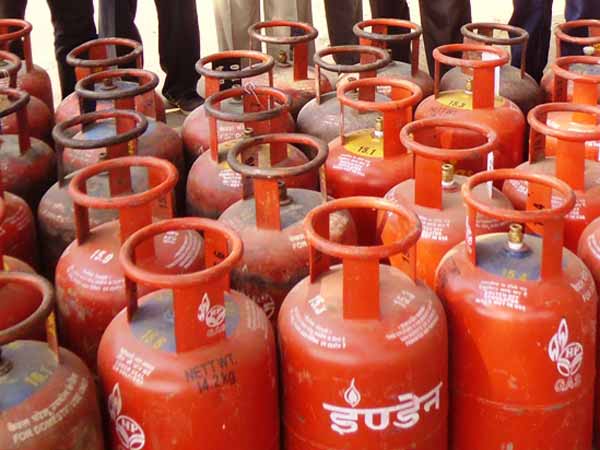
Kolkata’s household energy dynamics are increasingly shaped by fluctuations in cooking gas prices, as LPG and piped natural gas (PNG) rates reflect broader shifts in supply chains and urban consumption patterns. While domestic LPG prices have remained relatively stable in recent weeks, rising commercial fuel costs and gradual adoption of alternatives are beginning to influence how the city consumes energy.
In Kolkata, the price of a standard domestic LPG cylinder continues to hover within a narrow band, offering some relief to households amid broader inflationary pressures. However, commercial LPG—widely used by restaurants, street vendors, and small businesses—has seen higher price adjustments, creating cost pressures across the city’s informal and service economy. The evolving trend in Kolkata LPG prices highlights the uneven impact of fuel pricing across different user groups.For households, stable pricing provides short-term predictability, but affordability remains a concern for lower-income segments, particularly in dense urban and peri-urban areas. Access to subsidised or affordable cooking fuel continues to be a key determinant of energy security, especially in a city where a significant population depends on daily wage income.At the same time, the rise in commercial LPG costs is beginning to ripple through Kolkata’s food ecosystem. Small eateries, local vendors, and catering services—integral to the city’s economy—are facing higher operational expenses, which may eventually translate into increased consumer prices. This dynamic underscores how Kolkata LPG prices are closely tied to urban livelihoods and local economic activity.
Parallel to LPG trends, the city is witnessing gradual expansion in piped natural gas networks, particularly in select neighbourhoods. PNG offers a more consistent supply and, in some cases, more stable pricing, making it an attractive alternative for both households and commercial users. However, limited network coverage and infrastructure constraints mean that adoption remains uneven across the city.Urban planners view this transition as part of a broader shift towards diversified energy systems. Reliance on LPG—largely dependent on imports—exposes cities to global market volatility. Expanding PNG infrastructure and exploring cleaner energy options are seen as critical steps towards building a more resilient urban energy framework.Environmental considerations also play a role in this shift.While LPG is cleaner than traditional fuels, the adoption of piped gas and other low-emission alternatives can further reduce the city’s carbon footprint. Integrating such solutions into urban planning will be essential as Kolkata navigates the challenges of growth and sustainability.However, the transition must remain inclusive. Ensuring that lower-income households and informal businesses are not excluded from cleaner energy access is crucial for equitable urban development.
Policy measures that balance affordability with infrastructure expansion will determine how effectively the city adapts to changing energy dynamics.As Kolkata’s energy landscape evolves, the interplay between pricing, access, and infrastructure will shape how households and businesses manage their daily needs. The focus ahead will be on creating a system that is not only cost-effective but also resilient and aligned with long-term sustainability goals.
Also Read:Kolkata Traffic Diversions Disrupt Mobility During Poll Period
