Adani Energy Grid Project Strengthens Maharashtra Supply
A ₹4,700 crore electricity transmission project will create a new link for moving up to 4,500 MW of renewable power from Karnataka towards major demand centres in Maharashtra, including the Mumbai Metropolitan Region. Awarded through competitive bidding, the scheme will add transmission capacity around Satara and Kolhapur and is expected to strengthen the grid needed to absorb growing volumes of variable renewable electricity. The project is scheduled for completion within 36 months. The contract has been awarded to Adani Energy Solutions after it emerged as the lowest bidder in the tariff-based competitive bidding process. The project will operate through a dedicated special purpose vehicle, Satara Power Transmission Ltd.
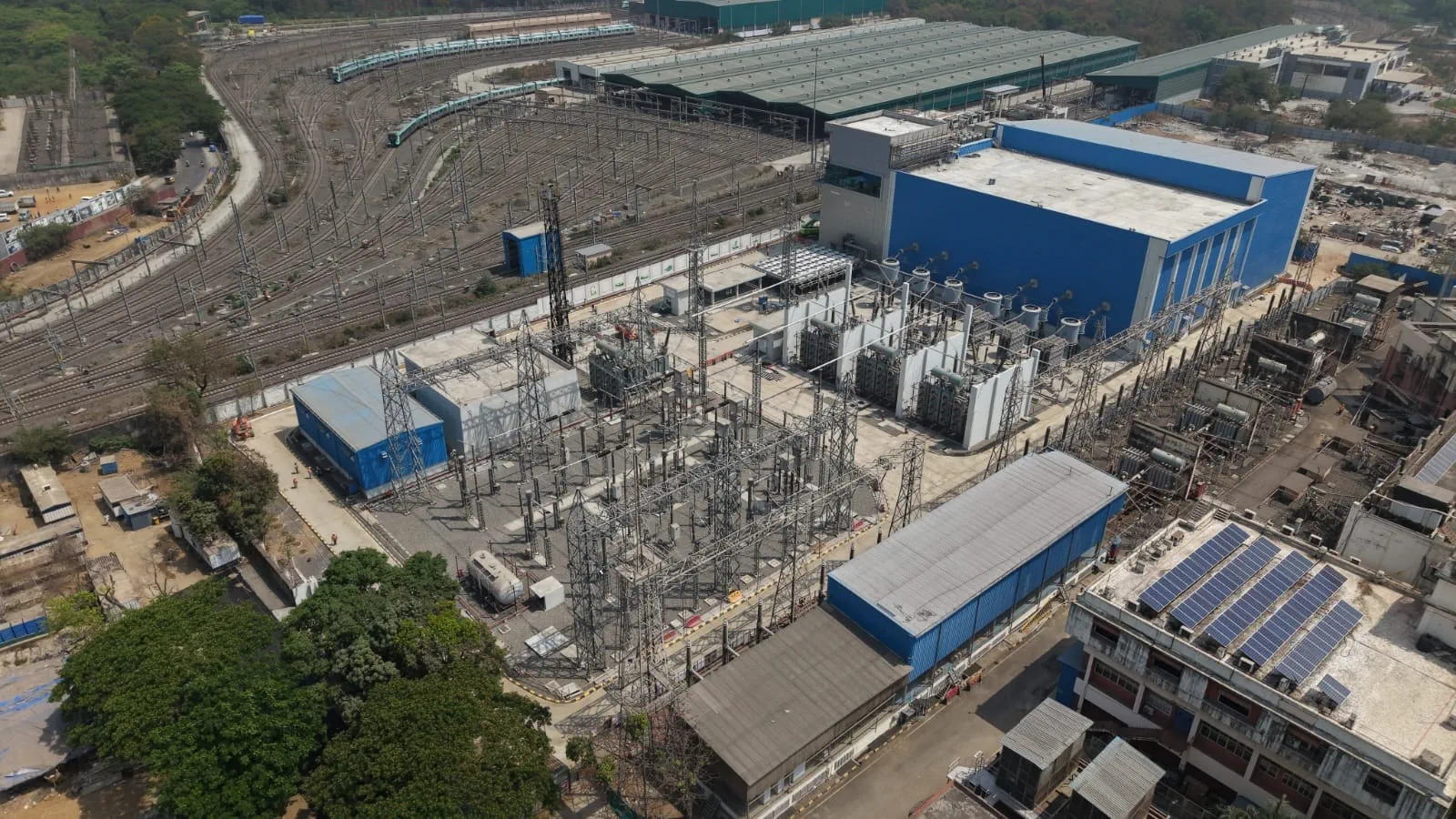
At the centre of the scheme is a new 765/400 kV substation at Satara, alongside a 765 kV double-circuit line connecting Kolhapur and Satara. The existing Kolhapur pooling station will also be expanded. Together, these components are intended to increase the ability of the western grid to transfer electricity between generation locations and areas where demand is concentrated. The project will add 562 circuit kilometres of transmission lines and 9,000 MVA of transformation capacity. For the wider electricity system, that distinction matters. Generation capacity alone cannot guarantee reliable renewable power; electricity must also be transported through a sufficiently strong network to where households, businesses and industries need it. The renewable power transmission investment comes as Karnataka and other southern states expand solar and wind generation. Renewable output can fluctuate with weather conditions, creating periods when generation is high and others when supply falls. A stronger inter-regional grid can help move surplus electricity across state boundaries and reduce the risk of renewable capacity being underused.
The scheme is also connected to the growth of pumped-storage projects around Satara, Pune and the Mumbai region. Pumped storage uses electricity to move water between reservoirs and later releases it through turbines when power is required. This gives the electricity system a way to balance periods of low renewable generation and high demand. For Mumbai, the implications extend beyond transmission infrastructure. The metropolitan region is a major electricity-consuming centre, with demand driven by households, commercial buildings, transport systems and industry. Greater access to renewable electricity could support long-term decarbonisation while improving the resilience of supply as consumption rises. However, the renewable power transmission network will need to expand alongside generation, storage and demand-management systems. New high-voltage corridors also require careful land-use planning and environmental assessment, particularly across rural and ecologically sensitive areas.
The project therefore represents more than another transmission line. Its effectiveness will depend on whether generation, storage and grid investments progress together. If delivered on schedule and integrated with the wider network, the corridor could help Maharashtra access cleaner electricity while giving the regional grid greater flexibility as India’s energy system becomes increasingly renewable.