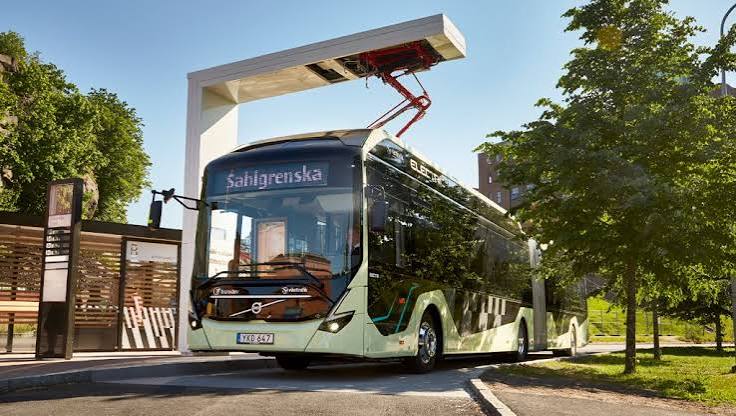
Pune Electric Buses Order Adds Momentum To Clean Transit
Pune is set to receive 200 new nine-metre electric buses as part of a larger 650-bus order being supplied for public transport operations in Maharashtra. The buses, procured under the second phase of the Centre’s PM E-DRIVE programme, will also include 450 units for Mumbai. The expansion marks another step towards replacing fossil-fuelled city buses with cleaner public transport while increasing the capacity of two heavily congested urban networks.
The Pune allocation forms part of the 2,900 buses covered under Phase II of the procurement programme managed by Convergence Energy Services Limited (CESL). Government data shows that Pune has been allocated 1,000 buses under Phase II, while Mumbai has been allocated 1,500. The latest contract therefore represents only part of the planned fleet expansion for both cities. Sai Green Projects has secured the operator contracts and will source the 650 buses from Switch Mobility. For Pune, the 200 vehicles are specified as nine-metre, low-floor, non-air-conditioned electric buses. The accepted operating bid was ₹55.55 per kilometre, excluding GST. In Mumbai, 450 low-floor air-conditioned buses were awarded to the same operator after its bid was aligned with the accepted rate under CESL’s tender conditions. The Pune electric buses are expected to be based on Switch Mobility’s nine-metre EiV9 platform, unveiled earlier this year. The model is offered with battery configurations of 183 kWh and 284 kWh, with the manufacturer claiming ranges above 200 kilometres. Its specifications include air suspension and passenger-focused features designed for regular urban operations.
For Pune, the significance goes beyond adding vehicles to the fleet. Bus electrification can reduce tailpipe emissions along heavily travelled routes and lower exposure to diesel exhaust for passengers, drivers and pedestrians. The benefits, however, depend on reliable charging infrastructure, adequate depot capacity and disciplined fleet scheduling. The economics of the contracts also matter. Per-kilometre operating models shift part of the focus from simply purchasing buses to ensuring that vehicles remain available and productive over their operating life. For cash-conscious public transport systems, reliability, maintenance and energy costs will determine whether electrification delivers sustained value.
The Pune electric buses order also highlights the need to align fleet expansion with route planning. More electric buses can improve public transport only when supported by dependable frequencies, accessible stops and connections with walking, cycling and other modes. As Phase II deployments progress, Pune’s challenge will be to convert procurement into a dependable everyday service. The success of the transition will ultimately be measured not by the number of buses ordered, but by cleaner journeys, reliable operations and better access to public transport.