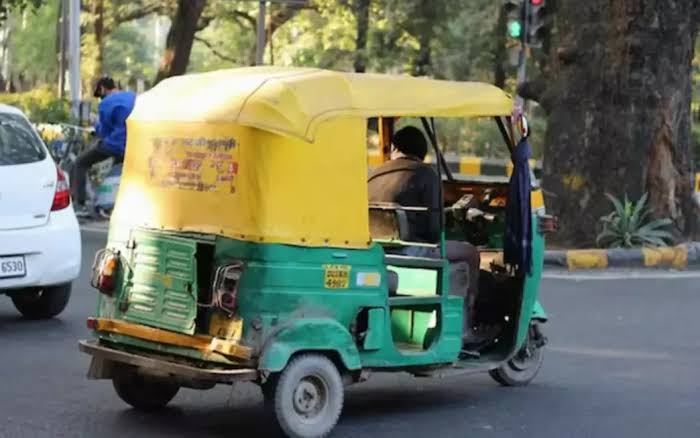
Autorickshaw travel has become costlier across Pune and Pimpri-Chinchwad, with revised fares taking effect from Tuesday. The minimum charge for the first 1.5 km has moved to ₹30 from ₹25, while each subsequent kilometre now costs ₹20 instead of ₹17. The change offers some relief to drivers facing higher operating expenses, but adds to the transport burden for frequent passengers.
The Pune auto fare hike follows approval from the Regional Transport Authority after operators sought a revision to account for rising running costs. The increase is relatively modest per trip, but its effect can be larger for workers, students and other residents who rely on autorickshaws for short journeys or connections to buses and rail services. Implementation will be gradual. The Pune Regional Transport Office has allowed drivers six months to recalibrate their meters to the new tariff. Until a meter is updated, the official tariff card issued by the transport authority will provide the reference for the applicable fare. This transition period is intended to accommodate the large autorickshaw fleet without forcing an immediate citywide recalibration exercise. Enforcement will be critical during this period. RTO teams are expected to conduct random inspections to check meter calibration and fare compliance. Officials will also need to address complaints involving overcharging, refusal of passengers and differences between the displayed fare and the approved tariff.
The Pune auto fare hike also highlights a broader challenge in urban transport economics. Autorickshaws occupy an important gap between fixed-route public transport and private vehicles, particularly where bus services or metro stations do not provide convenient last-mile access. If fares rise without improvements in reliability, passengers may increasingly turn to private two-wheelers or app-based alternatives, potentially adding to congestion and emissions. At the same time, keeping fares artificially low can undermine the viability of a service that supports thousands of drivers. Fuel, maintenance, repairs and vehicle ownership costs directly affect driver incomes. A sustainable fare structure therefore needs to balance operating realities with the ability of ordinary passengers to afford daily mobility.
The six-month transition creates an opportunity for authorities to make the revised system easier to understand. Clearly displayed tariff information, accessible calibration facilities and responsive complaint mechanisms can reduce disputes between drivers and passengers. For Pune, the larger question is how autorickshaws fit into an integrated public transport network. A predictable fare system, combined with dependable buses, metro services and safe pedestrian links, can make shared mobility more practical. The immediate priority is ensuring that the new rates are applied consistently while keeping everyday urban travel affordable and accessible.