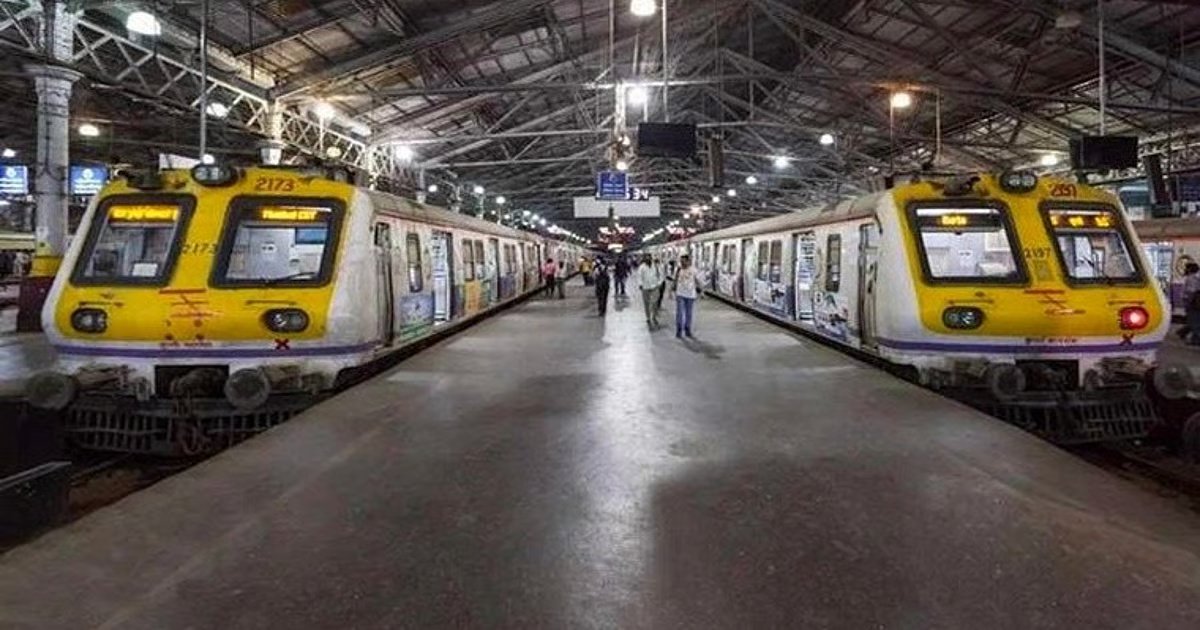
Mumbai’s suburban rail network underwent carefully timed overnight disruptions to accommodate critical infrastructure upgrades, reflecting the complex balancing act between maintaining daily mobility and expanding long-term transport capacity. The coordinated effort enabled progress on elevated metro construction as well as improvements to pedestrian infrastructure across the western corridor. During the late-night window, railway authorities facilitated engineering work linked to the Mumbai Metro Line 6, a key east–west corridor expected to ease cross-city travel. The operation involved the placement of structural steel components over active rail lines between key suburban stations, requiring temporary suspension and diversion of train services on select tracks.
Transport officials indicated that the work was executed within a tightly managed time block, with suburban services rerouted to minimise commuter impact. Such night-time interventions have become a standard strategy in Mumbai, where high daytime rail traffic leaves limited scope for large-scale construction activity. Simultaneously, infrastructure upgrades were carried out at Dahisar, where girders for new foot overbridges were installed. These pedestrian structures are intended to improve station accessibility and commuter safety—an often underemphasised but critical aspect of urban mobility planning. With millions relying on suburban trains daily, safe and efficient station access can significantly influence overall travel experience. Urban planners highlight that the Mumbai Metro Line 6 project, combined with enhancements to railway infrastructure, represents a layered approach to transport development. Rather than replacing existing systems, new transit corridors are being integrated with legacy networks to create a more interconnected mobility framework. This approach is essential in dense cities where space constraints limit the feasibility of standalone expansions.
However, such integration comes with operational challenges. Coordinating between multiple agencies, managing safety risks, and maintaining service reliability during construction phases require meticulous planning. Experts note that while temporary disruptions are inevitable, transparent communication and precise execution are key to maintaining public trust. From a sustainability perspective, expanding metro capacity is expected to encourage a shift away from private vehicle use, contributing to reduced congestion and lower emissions. At the same time, investments in pedestrian infrastructure, such as foot overbridges, support inclusive mobility by improving accessibility for all user groups. The broader economic implications are also significant. Efficient transport systems underpin workforce mobility, reduce travel uncertainty, and enhance productivity across urban regions. As Mumbai continues to invest in multimodal transport networks, the integration of metro lines with suburban rail and last-mile infrastructure will play a decisive role in shaping commuting patterns.
As construction advances, similar overnight blocks are likely to remain a recurring feature of the city’s infrastructure upgrade cycle. For commuters, these short-term adjustments are part of a longer transition towards a more resilient and interconnected urban transport system—one designed to meet the demands of a growing metropolitan population while aligning with sustainability goals.