Mumbai Digital System Targets Construction Waste Crisis
Mumbai’s civic administration is moving to digitise construction waste monitoring through a proposed citywide platform aimed at improving compliance and curbing illegal dumping, a persistent challenge in one of India’s most densely built urban regions. The initiative signals a shift towards data-driven governance in managing construction and demolition debris, a waste stream that has grown rapidly alongside the city’s real estate expansion. Officials have initiated the process to onboard a technology partner for a unified system that will allow developers and agencies to log, track and report debris movement in real time. The proposed Mumbai construction waste portal is expected to integrate multiple stakeholders—from builders and architects to public infrastructure authorities—onto a single interface, improving accountability across the project lifecycle.
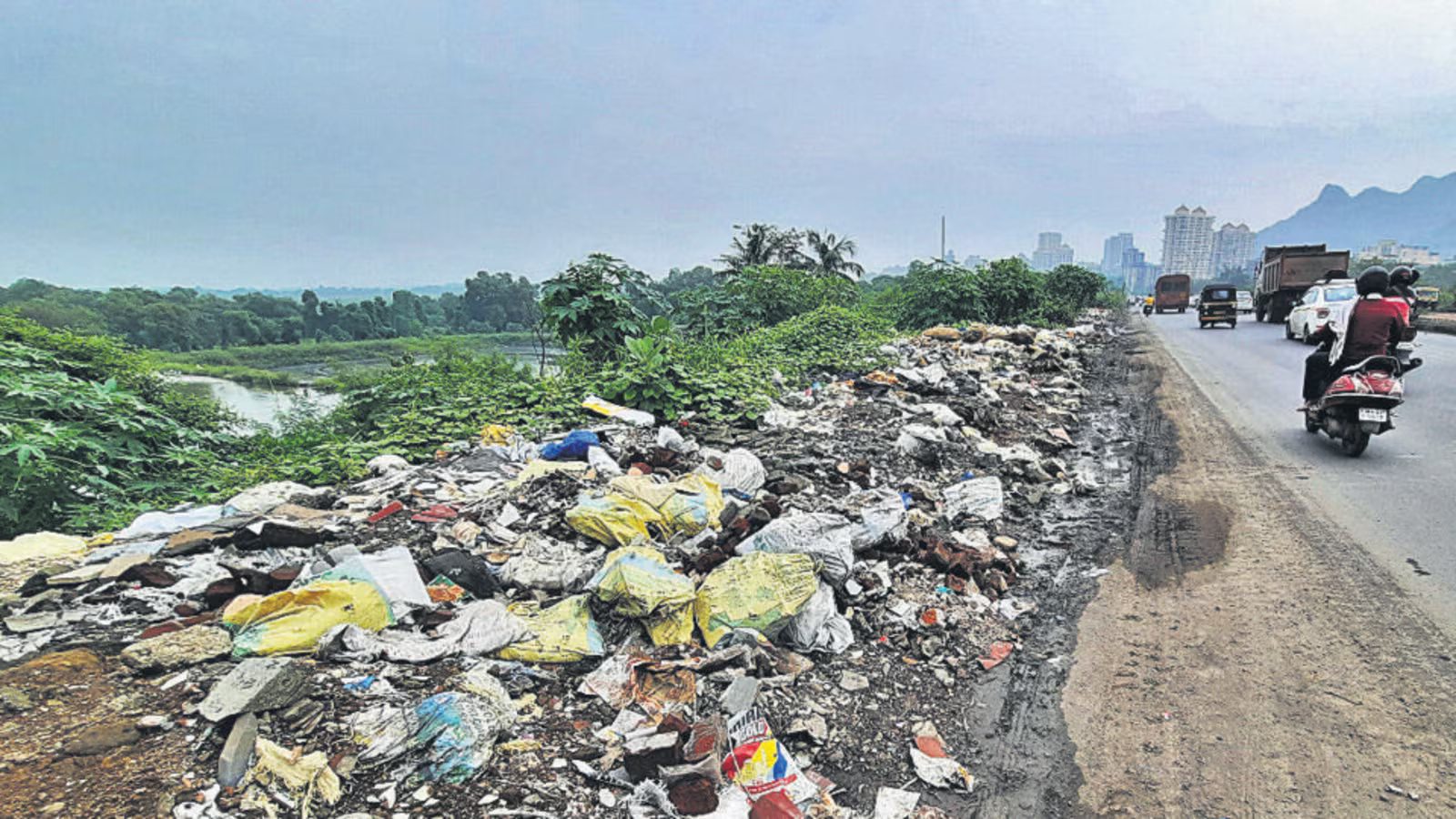
The move comes amid mounting concerns over unregulated disposal practices. Urban planners estimate that Mumbai generates close to 8,000 metric tonnes of construction and demolition waste daily, placing it nearly on par with municipal solid waste volumes. Despite existing regulations requiring developers to outline disposal mechanisms, enforcement gaps have led to widespread dumping in open spaces, mangroves and along transport corridors, raising both environmental and public health risks. By mandating digital registration of projects and linking debris transport to vehicle tracking systems, authorities aim to create a transparent audit trail. Real-time monitoring could help identify violations early and enable targeted enforcement, including penalties for non-compliance. Industry experts say such systems, if implemented effectively, can significantly reduce leakages in waste handling and improve material recovery rates. The platform is also expected to connect with existing approval systems and transport monitoring networks, ensuring that waste generation data aligns with project permissions and on-ground activity. For a city where multiple agencies execute parallel infrastructure works, this integration could streamline oversight and reduce duplication in reporting.
From a sustainability perspective, the Mumbai construction waste portal may play a crucial role in strengthening circular economy practices. Processed construction debris can be reused in road works, paving blocks and low-grade construction material, reducing pressure on natural resources. However, experts caution that digital tracking alone will not resolve systemic issues unless supported by adequate recycling capacity and consistent enforcement. Mumbai currently operates recycling facilities in its northern and eastern peripheries, but their capacity remains limited relative to the volume generated. Expanding processing infrastructure and incentivising reuse in public projects could help close the loop in construction waste management. The civic body has also revised its debris collection framework, combining helpline-based services with app-based requests and differential user charges. While this offers a structured disposal mechanism, uptake has been uneven, particularly among smaller contractors.
As the city continues to build vertically and expand its infrastructure footprint, managing construction waste will remain central to its environmental resilience. The success of the proposed system will depend on how effectively it integrates technology with on-ground enforcement, ensuring that urban growth does not come at the cost of ecological degradation.