Mumbai Public Hospital Boosts Early Cancer Detection
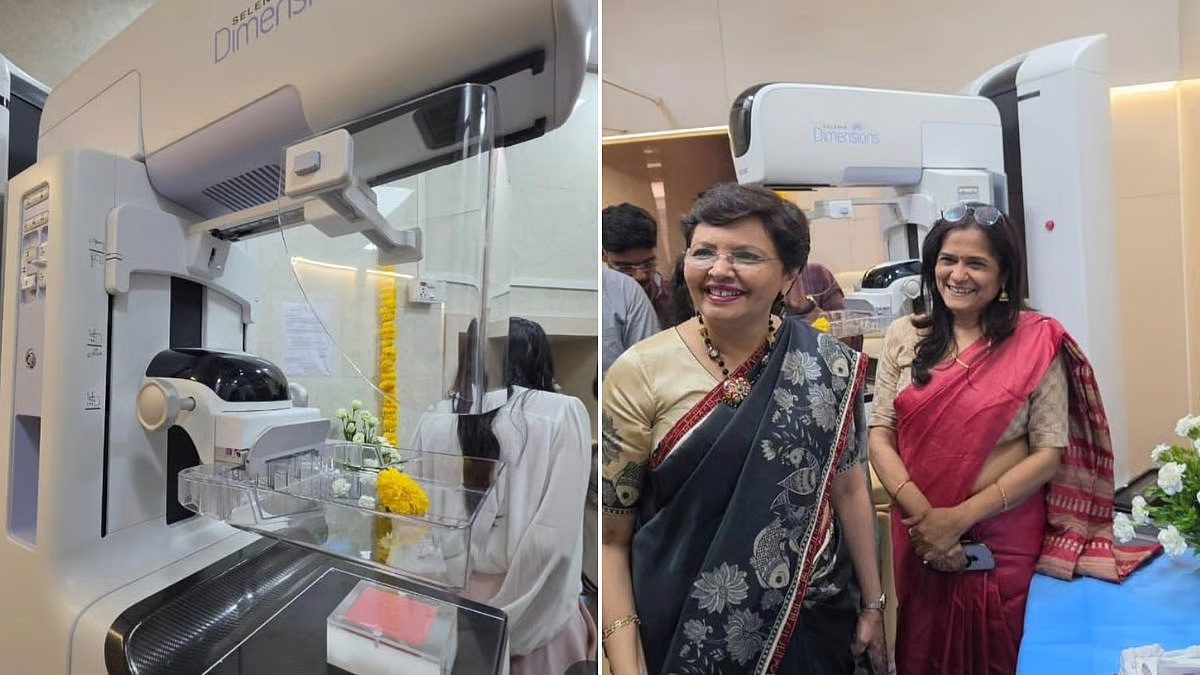
Mumbai’s public healthcare system has taken a significant step forward in early cancer detection with the installation of advanced 3D mammography technology at a leading civic hospital, signalling a broader shift towards accessible, high-precision diagnostics in urban India. The move is expected to improve early diagnosis rates while reducing delays in treatment, a critical factor in improving survival outcomes in breast cancer cases. The newly introduced imaging system uses digital breast tomosynthesis, a technique that creates layered, three-dimensional images of breast tissue. Unlike conventional two-dimensional scans, this approach allows clinicians to identify abnormalities with greater clarity, particularly in dense tissue where traditional methods often fall short. Hospital administrators indicate that screening time is reduced to just a few minutes, making the process more efficient for both patients and healthcare providers.
Urban health experts note that early detection remains one of the most significant gaps in India’s cancer care ecosystem. In densely populated cities like Mumbai, public hospitals serve as the primary access point for millions who cannot afford private diagnostics. The addition of such technology within the public system is therefore seen as a step towards reducing inequality in healthcare access. The system also integrates artificial intelligence-assisted analysis, which helps radiologists interpret scans more quickly and accurately. This can shorten diagnosis timelines, enabling earlier intervention. Medical professionals suggest that faster turnaround times could ease the burden on overcrowded urban hospitals, where diagnostic delays often lead to advanced-stage presentations. From a patient perspective, the technology also offers improved safety. Reduced radiation exposure and less invasive procedures make routine screening more acceptable, potentially encouraging more women to undergo regular checks.
Public health practitioners highlight that increasing screening participation, especially among women over 40 or those with a family history of the disease, is essential for long-term urban health outcomes. The upgrade comes amid growing awareness of non-communicable diseases in Indian cities, where lifestyle changes and environmental factors are contributing to rising cancer incidence. Planners argue that investments in preventive healthcare infrastructure are as crucial as large-scale urban development projects, particularly in rapidly expanding metropolitan regions. Beyond immediate clinical benefits, the development reflects a larger policy direction focused on strengthening public health resilience. As cities continue to grow, ensuring equitable access to advanced medical technologies will be key to building inclusive and sustainable urban systems.
Looking ahead, healthcare analysts suggest that similar upgrades across other public hospitals could significantly enhance early detection networks nationwide. For Mumbai, the challenge will be to pair technological advancements with awareness campaigns and community outreach, ensuring that the benefits reach those who need them most.