


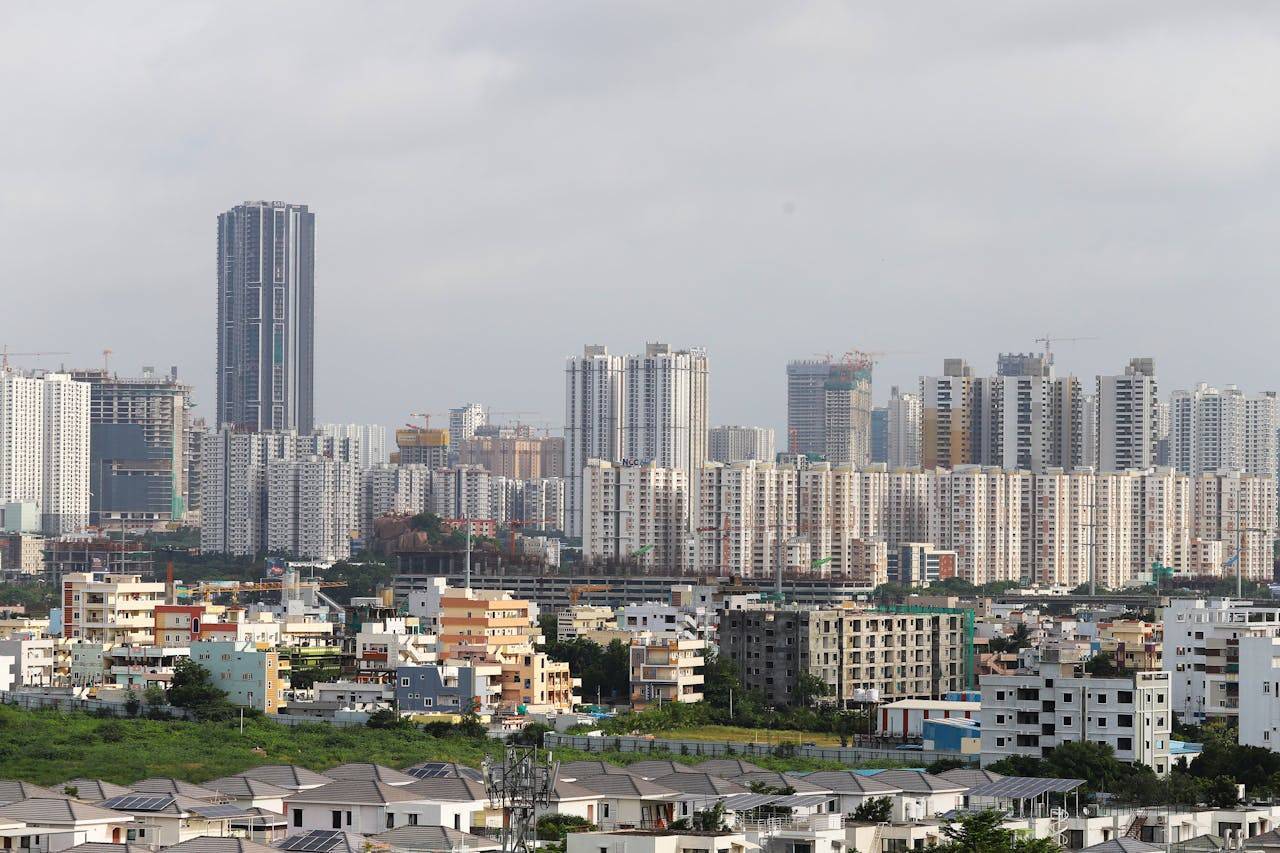
Across Bengaluru, a growing number of residents are gravitating towards smaller, tightly knit social clusters in search of safety, belonging and stability within an increasingly complex urban environment. These emerging micro-communities—often formed within neighbourhoods, residential enclaves or shared-interest groups—are redefining how urban dwellers experience security and social connection.
The shift reflects broader anxieties linked to rapid urbanisation, including concerns around personal safety, social isolation and uneven access to public infrastructure. In a city where expansion has often outpaced planning, many residents are finding reassurance in smaller, more familiar networks that offer both physical and emotional security.Urban sociologists suggest that these micro-communities function as informal support systems, filling gaps left by overstretched civic services and fragmented neighbourhood planning. Whether through resident associations, co-living spaces or interest-based groups, these networks enable quicker response to local issues, from safety concerns to shared resource management.The trend is particularly visible among young professionals and migrants, who form a significant portion of Bengaluru’s population.For many, micro-communities provide a sense of belonging that is otherwise difficult to establish in a fast-paced metropolitan setting.Shared living arrangements and curated residential clusters are increasingly being designed to foster interaction while maintaining a controlled environment.However, experts caution that the rise of such clusters may also reflect deeper structural challenges. Limited access to inclusive public spaces, inadequate last-mile connectivity and uneven policing can push residents to rely on private or semi-private networks for safety.
Over time, this could contribute to fragmented urban experiences, where security and quality of life vary significantly across different parts of the city.From an urban planning perspective, the emergence of micro-communities raises important questions about the future of public spaces. While these networks can enhance local resilience, they should not replace the need for well-designed, accessible and safe city-wide infrastructure. Planners emphasise that equitable urban development must ensure that safety is not confined to gated or exclusive environments but is embedded across the entire urban fabric.There are also economic implications. Real estate developers are increasingly responding to this demand by marketing projects that emphasise community living, controlled access and shared amenities. While this can drive investment, it also risks reinforcing socio-spatial divides if affordability and inclusivity are not addressed.Despite these concerns, micro-communities are proving to be adaptive responses to the realities of urban life. They offer residents a way to navigate uncertainty while fostering trust and cooperation at a local level. In some cases, they also enable more sustainable practices, such as shared resources and community-led waste management, contributing to broader environmental goals.
As Bengaluru continues to evolve, the challenge will be to integrate the strengths of these micro-communities into formal urban planning frameworks. Strengthening public safety systems, expanding inclusive spaces and improving civic infrastructure will be essential to ensure that the need for safety does not lead to fragmented or exclusionary urban growth.
Also Read:Bengaluru zero shadow day workshop at planetarium
