


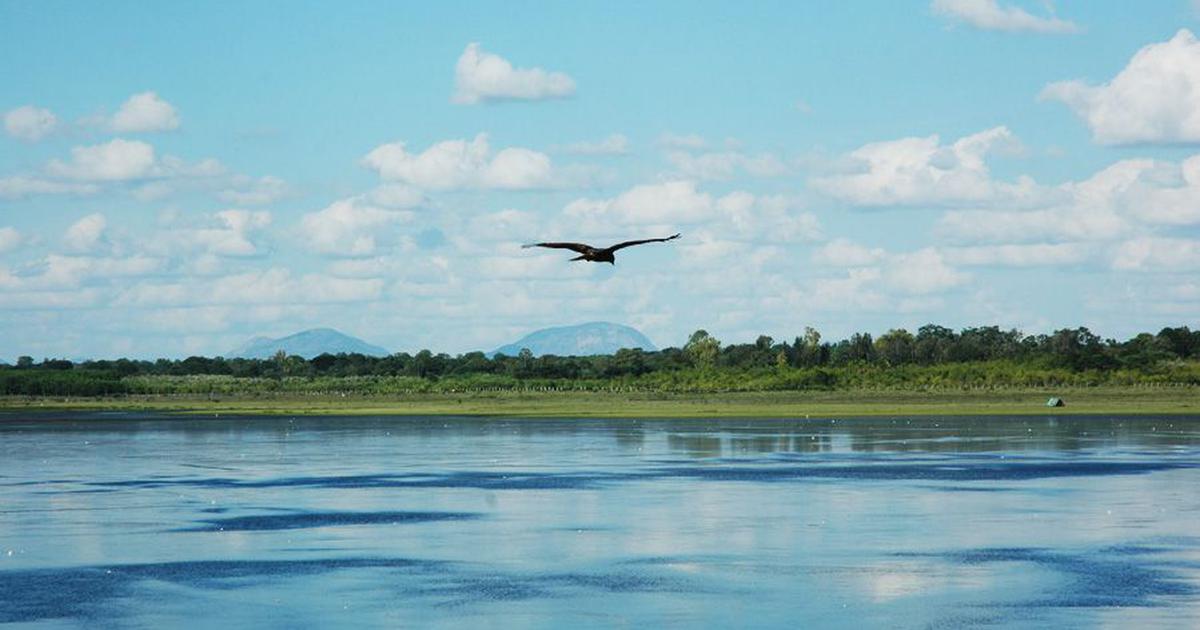
A heat-prone region in Karnataka has been designated as a wildlife reserve, marking a significant step towards strengthening ecological protection and climate resilience in areas connected to Bengaluru’s broader environmental landscape.
The move aims to conserve biodiversity while addressing rising concerns over habitat loss and extreme weather conditions.The newly notified reserve, located in a drought-affected belt, is expected to provide a protected habitat for native species while restoring degraded ecosystems.For Bengaluru, which relies on surrounding regions for ecological balance, such conservation efforts play a critical role in maintaining environmental stability and supporting long-term sustainability goals.The development is particularly relevant in the context of Bengaluru wildlife reserve expansion, as cities increasingly depend on peripheral green zones to mitigate the impacts of urbanisation. Forested and protected areas act as carbon sinks, regulate microclimates, and support water cycles—functions that are essential for urban resilience.Environmental experts highlight that the designation of a reserve in a heat-stressed region demonstrates a proactive approach to climate adaptation. By preserving natural landscapes, authorities can reduce land degradation, enhance biodiversity, and create buffers against rising temperatures. This is especially important as climate variability intensifies across southern India.
The Bengaluru wildlife reserve expansion narrative also underscores the interconnectedness of urban and rural ecosystems. While the reserve itself lies outside the city, its ecological benefits extend to urban populations through improved air quality, water security, and climate regulation.Such linkages are increasingly recognised in sustainable urban planning frameworks.From a socio-economic perspective, the creation of a wildlife reserve can generate opportunities for eco-tourism and community-based conservation initiatives. However, it also requires careful management to balance environmental protection with the livelihoods of local populations. Ensuring that communities are involved in conservation efforts will be key to the long-term success of the initiative.The move aligns with broader efforts to expand protected areas across India, as part of commitments to biodiversity conservation and climate action. However, experts caution that designation alone is not sufficient.Effective implementation, monitoring, and enforcement are essential to prevent encroachment and ensure that ecological objectives are met.For Bengaluru, the expansion of nearby green zones offers a strategic advantage in addressing environmental challenges associated with rapid urban growth.Integrating such conservation measures into regional planning can help create a more balanced and resilient development model.
As climate pressures continue to mount, the establishment of new reserves signals a shift towards recognising nature as critical infrastructure. Strengthening these natural systems will be essential for supporting both ecological health and urban sustainability in the years ahead.
Also Read:Bengaluru Water Stress Rises Amid Weak Monsoon
