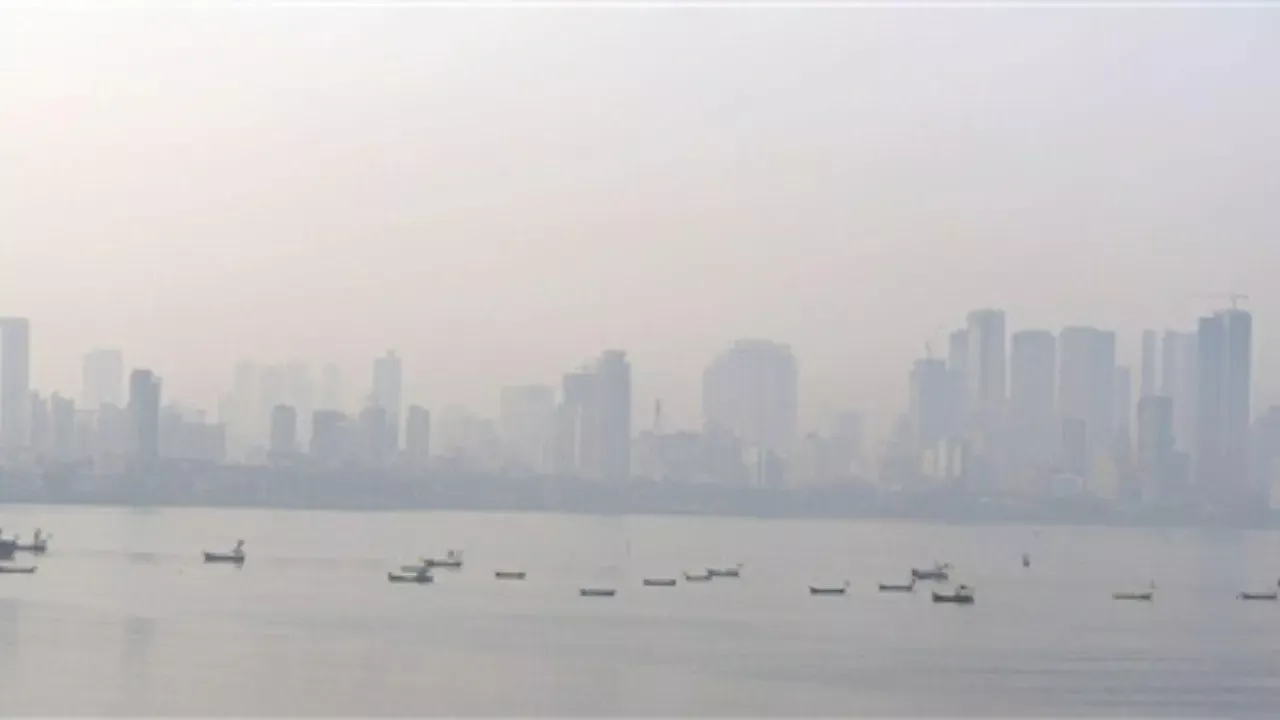
Mumbai experienced a relatively cleaner start to the day with improved air quality levels and clear skies, even as temperatures and humidity are expected to rise through the afternoon. The city recorded a moderate Air Quality Index (AQI) reading in the early hours, reflecting short-term gains in pollution control amid ongoing construction and urban activity pressures.
Meteorological conditions indicate a warm and humid day ahead, with temperatures projected to climb into the mid-30s Celsius. While no extreme heat alerts have been issued, rising moisture levels in the air are likely to contribute to discomfort, particularly during peak daytime hours. Such conditions are typical of the pre-monsoon transition period, when coastal cities often experience fluctuating air quality patterns influenced by wind movement and local emissions. The Mumbai AQI improvement comes after a series of enforcement measures targeting dust and particulate emissions, especially from construction sites and infrastructure projects. Urban environmental experts point out that dust remains one of the most significant contributors to pollution in the city, often intensifying during dry weather conditions. Strengthened monitoring and compliance actions appear to have played a role in temporarily reducing airborne pollutants.
However, the improvement is not uniform across the metropolitan region. Several localised pockets continue to report elevated pollution levels, indicating uneven distribution of air quality benefits. Areas with dense traffic movement, construction activity, or limited green cover tend to experience higher AQI readings, highlighting the need for more targeted interventions. At the same time, some neighbourhoods have reported significantly cleaner air, with AQI levels falling within the ‘good’ category. These variations underscore the microclimatic differences within Mumbai, where coastal proximity, urban density, and land use patterns influence air quality outcomes at a hyperlocal level.
Urban planners note that while short-term improvements in the Mumbai AQI improvement trend are encouraging, sustaining these gains requires structural changes in how cities manage emissions. This includes stricter enforcement of construction norms, transition to cleaner transport systems, and increased investment in green infrastructure such as urban forests and open spaces. From a broader sustainability perspective, maintaining moderate or good air quality levels is critical for public health, economic productivity, and urban liveability. Poor air quality has been linked to rising healthcare costs and reduced workforce efficiency, making it an important factor in long-term city planning.
Experts also highlight the role of citizen awareness and behavioural shifts, including reduced reliance on private vehicles and adherence to pollution control guidelines, in maintaining cleaner air standards. As Mumbai moves closer to the monsoon season, natural atmospheric cleansing through rainfall may further improve air quality temporarily. However, experts caution that without consistent policy enforcement and infrastructure upgrades, these gains may remain short-lived.
The coming weeks will be crucial in determining whether the current improvement can be sustained or whether rising temperatures and urban activity will once again push pollution levels upward.
Mumbai Records Moderate AQI With Improved Air Quality Levels