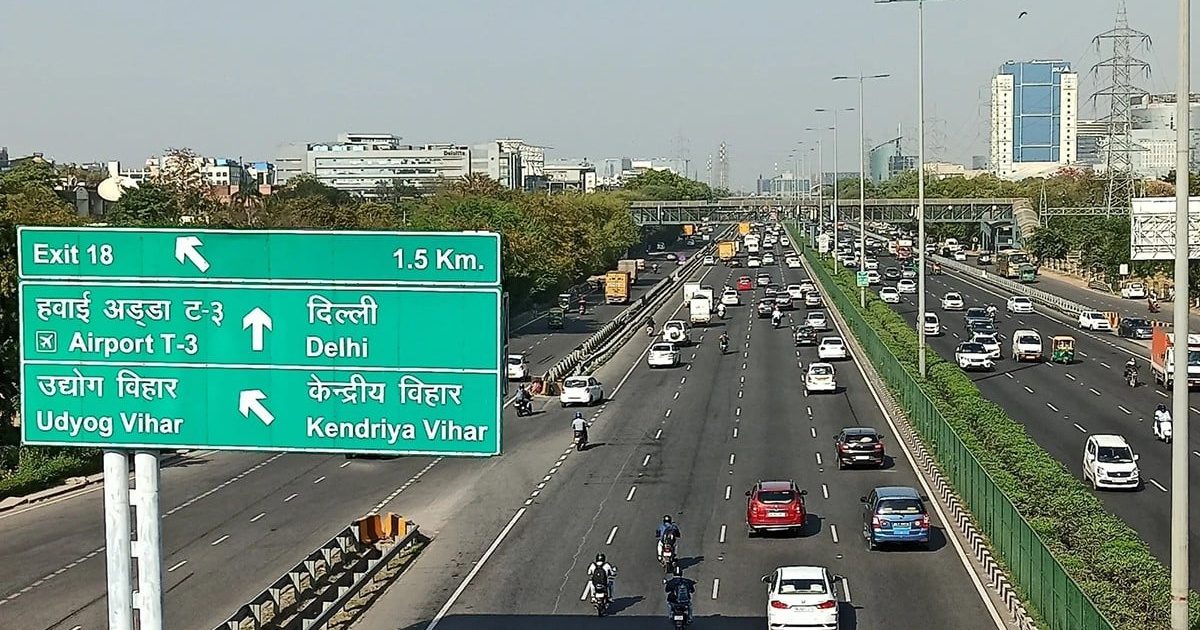
In Gurugram, authorities are revising plans for a key rail overbridge near Garhi, expanding it into a four-lane structure to address mounting congestion along the Dwarka Expressway corridor. The move comes as traffic volumes surge in one of the National Capital Region’s fastest-developing urban belts, where infrastructure is under increasing pressure to keep pace with growth. The Gurugram rail overbridge project marks a departure from an earlier, narrower design, reflecting updated traffic projections and changing land-use patterns in the surrounding areas. Officials involved in the planning process indicate that technical studies are underway to finalise alignment, engineering specifications and cost-sharing arrangements between state agencies and railway authorities.
Urban mobility experts view the Gurugram rail overbridge as a strategic intervention rather than an isolated upgrade. The Dwarka Expressway has rapidly evolved into a major residential and commercial spine, attracting large-scale housing developments, logistics operations and institutional investments. However, connectivity constraints—particularly at railway crossings—have created bottlenecks that disrupt daily commutes and limit the corridor’s full economic potential. At present, much of the traffic relies on an existing overbridge in the vicinity, which is frequently congested and constrained by capacity limitations. The proposed Gurugram rail overbridge is expected to provide an alternative route, redistributing vehicular load and reducing delays. Analysts suggest that improving such last-mile links is critical for sustaining real estate demand, as accessibility continues to shape both property values and investment decisions. From an environmental perspective, grade-separated infrastructure such as overbridges can contribute to reducing vehicular idling at crossings, thereby lowering emissions. In cities across the NCR, where air quality remains a persistent concern, such interventions are increasingly being evaluated not just for mobility gains but also for their potential to support cleaner urban systems.
The project also highlights broader planning challenges in rapidly expanding cities. While road-based infrastructure can ease immediate congestion, experts caution that long-term mobility outcomes depend on integrating public transport systems and promoting non-motorised travel options. Without these complementary measures, capacity enhancements risk being outpaced by rising vehicle ownership. Improved connectivity through the Gurugram rail overbridge is expected to benefit several residential clusters and commercial zones in the area, linking them more efficiently with employment centres and social infrastructure. This could support more balanced urban expansion by reducing travel times and enhancing access across peripheral neighbourhoods. The proposal is currently in the feasibility stage, with timelines contingent on technical approvals and funding arrangements. For residents and businesses along the Dwarka Expressway, the Gurugram rail overbridge represents both an immediate response to congestion and a broader test of how effectively infrastructure planning can anticipate future urban demand.
As Gurugram continues to grow, the emphasis is likely to shift towards integrated, climate-responsive mobility systems that combine road, rail and sustainable transport solutions—ensuring that infrastructure development aligns with long-term urban resilience goals.