


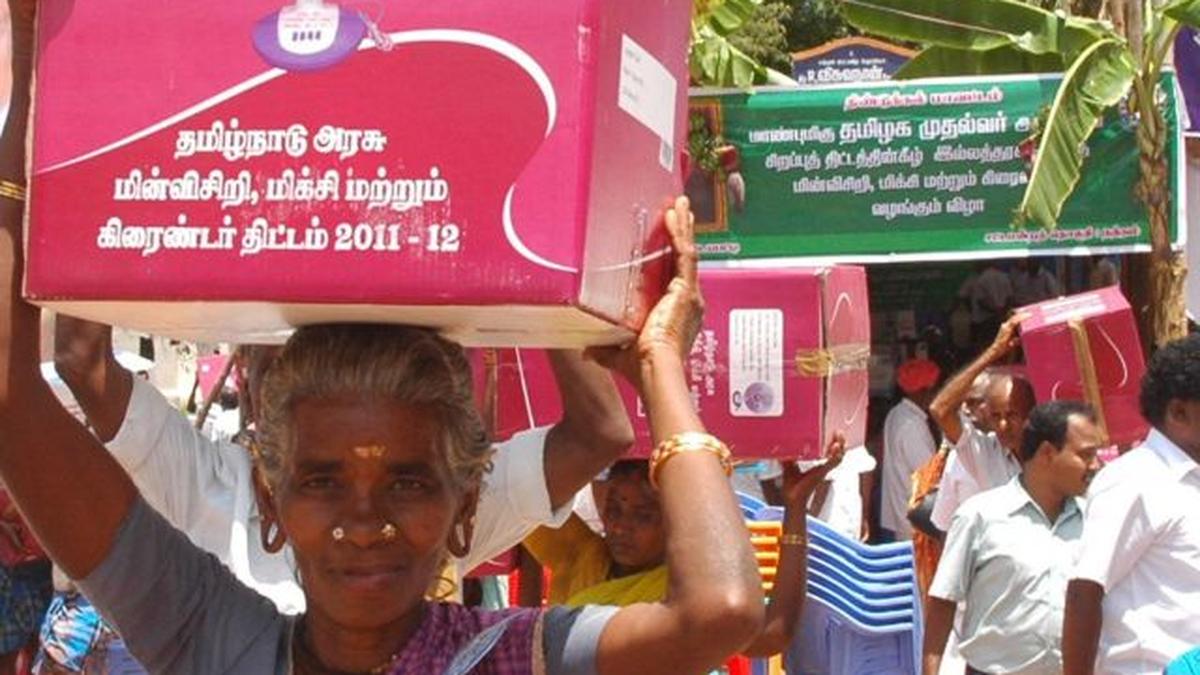
A newly released election manifesto in Chennai has intensified debate around public spending priorities, as a wide range of welfare promises brings fiscal sustainability and urban governance into sharper focus.
The proposals, aimed at addressing cost-of-living pressures and improving access to basic services, underscore the growing role of welfare-led strategies in shaping electoral narratives in major cities.The commitments span multiple sectors, including household support measures and service delivery enhancements, reflecting an attempt to connect with urban voters facing rising expenses. In a city like Chennai, where economic disparities remain pronounced, such proposals often resonate strongly with large segments of the population. However, they also prompt questions about long-term financial viability and implementation capacity.The emergence of expansive pledges underlines a broader shift in urban political discourse, where immediate relief measures are increasingly positioned alongside infrastructure and development agendas.Analysts note that while welfare schemes can improve short-term affordability, their cumulative fiscal impact requires careful planning, especially in states managing competing demands on public resources.The discussion around the Chennai election manifesto promises also ties into the evolving expectations of urban citizens. Access to affordable housing, reliable utilities, and efficient transport systems are now seen as essential components of city living.
As a result, manifestos are becoming more detailed, reflecting the complexity of urban needs. Yet, translating these commitments into actionable policy remains a key challenge.From a governance perspective, experts emphasise the importance of balancing welfare initiatives with investments in long-term infrastructure. Cities like Chennai face mounting pressures related to climate resilience, water management, and mobility. Allocating resources effectively across these priorities is critical to ensuring sustainable urban growth.The fiscal implications of the Chennai election manifesto promises are particularly significant. Large-scale commitments without clear revenue strategies can strain public finances, potentially affecting future investments.Transparent budgeting, phased implementation, and outcome-based evaluation are often cited as essential tools for managing such risks.There are also broader economic considerations. Welfare measures can stimulate local consumption and provide relief to vulnerable groups, but they must be aligned with policies that generate employment and support economic expansion. In the absence of this balance, short-term gains may not translate into lasting improvements in living standards.As election campaigning continues, the focus is likely to remain on how these promises align with the city’s long-term development goals.
For Chennai, the challenge lies in ensuring that electoral commitments contribute to a more inclusive, resilient, and financially stable urban future.The coming months will test not just the appeal of these proposals but also the frameworks in place to deliver them effectively, shaping both governance outcomes and public trust in the city’s administrative systems.
Also Read:Chennai LPG Shortage Disrupts Auto Transport Services
