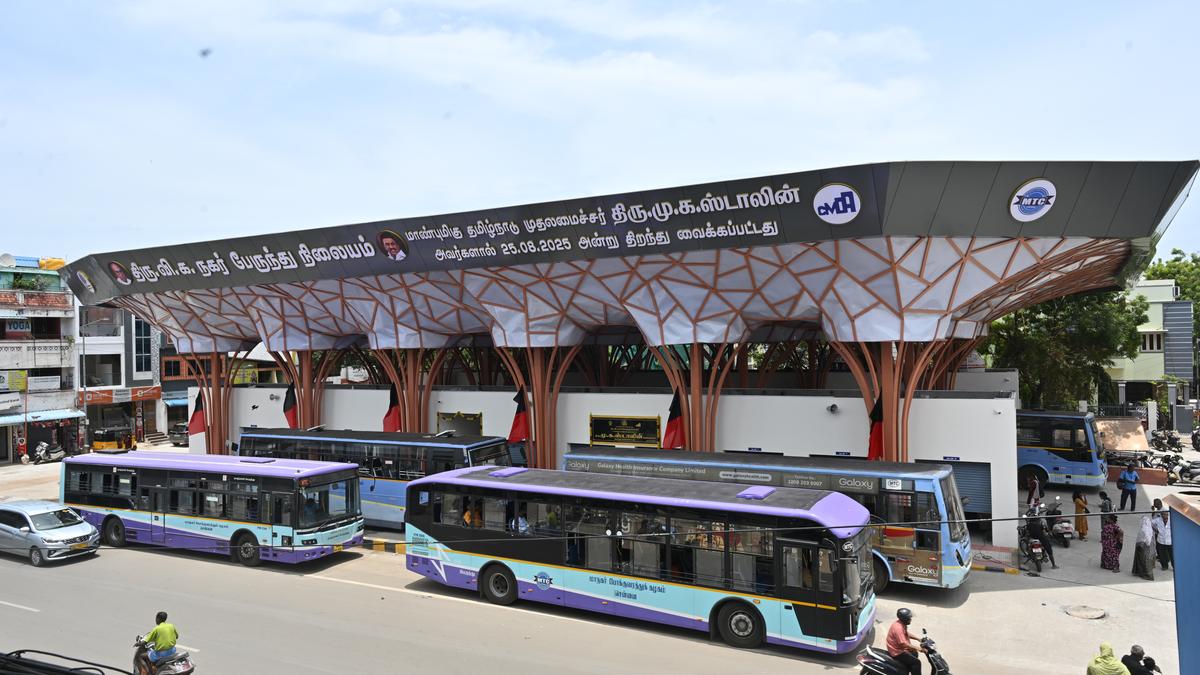
Chennai Opens Thiru Vi Ka Terminus Amid Limited Public Use
Chennai has unveiled a new bus terminus at Vengadanallur, designed to serve both city and regional routes, but initial public adoption has been tepid. Spread over 5.5 acres and built at a cost of Rs 36 crore, the facility was inaugurated via video conference by the state government. Officials expect a full transfer of operations from the older town-centre terminus by the end of March, though significant works remain unfinished.
The new terminus, intended to modernise transport infrastructure for Tiruvallur residents, reflects growing pressure on urban peripheries to accommodate expanding commuter flows. While the facility can host 56 buses simultaneously and incorporates 101 retail units, five toilet blocks including gender-inclusive facilities, and parking for hundreds of vehicles, early feedback indicates that its location has created accessibility challenges. Many regular passengers remain unaware of the shift, and local commerce hubs near the older terminus continue to attract footfall, highlighting the inertia of established urban patterns.
Urban planners note that relocating transit infrastructure without interim service strategies can disrupt daily routines. “Moving a terminus from a central commercial and religious hub to a peripheral area requires coordinated communication and feeder services to ensure public uptake,” said a senior municipal official. In Tiruvallur, the old terminus near the main market and temple has functioned as a civic nucleus for decades, reinforcing the social and economic interdependencies that often accompany transport nodes. Incomplete construction has further dampened public enthusiasm. Observers note pending works including flooring, compound walls, and utility facilities. While authorities assure completion within weeks, analysts caution that hurried inaugurations risk undermining operational efficiency and commuter confidence. From a sustainability perspective, the new facility promises eco-friendly operations, yet its impact will depend on integration with pedestrian access, last-mile connectivity, and broader urban transport planning.
Economically, the project reflects a dual strategy: modernising mobility while repurposing the old terminus site for commercial development. Experts highlight that such urban interventions must balance infrastructure expansion with citizen-centric planning to prevent inequitable access. Early commuter trends suggest that information gaps and peripheral siting may limit immediate benefits, underlining the importance of communication campaigns and temporary shuttle services to bridge the transition. As Chennai seeks climate-resilient and inclusive urban mobility, the Thiru Vi Ka terminus offers both opportunities and cautionary lessons. Effective adoption will require completion of pending works, expanded outreach to passengers, and integrated planning to connect peripheral transit hubs with the city’s core social and economic activities.