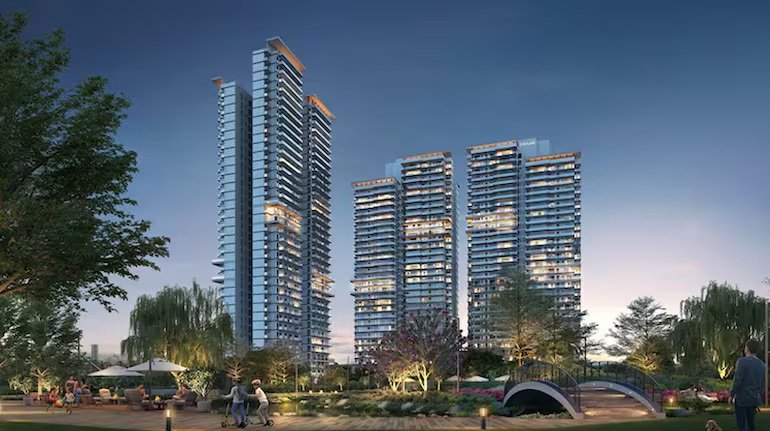
Kolkata’s residential sector ended 2025 with a sharp contraction in fresh supply, as new project launches fell to nearly 1,500 units in the October–December quarter, a 63 per cent year-on-year decline. The slowdown in Kolkata housing launches comes even as property values and rents edged upward, signalling a market that is absorbing existing inventory but pausing on expansion amid regulatory and strategic recalibration. Industry executives attribute the quarterly dip largely to timing. Several projects were awaiting approvals under the state’s real estate regulatory framework, slowing formal announcements. At the same time, developers had advanced significant supply earlier in the year, reducing immediate pressure to add new stock in the final quarter.
For 2025 as a whole, the city recorded just over 12,500 residential units, marking a double-digit annual decline. Yet the fall in launches has not translated into price weakness. Average capital values rose by 1–2 per cent over the previous quarter and by up to 7 per cent annually, reflecting resilient end-user demand. Geographically, the city’s growth story continues to tilt outward. Nearly 70 per cent of quarterly launches were concentrated in peripheral locations. Southern and south-western fringes, along with northern suburban belts, accounted for the bulk of activity. The north-east corridor particularly Rajarhat and New Town retained a meaningful share due to proximity to technology parks and expanding office clusters. Urban planners say this outward expansion reflects affordability pressures in the core city and the search for larger homes. However, it also raises long-term questions about mobility, infrastructure capacity and environmental resilience. Peripheral growth, if not supported by public transport and social amenities, can deepen car dependency and increase service delivery costs.
The composition of supply also signals a structural shift. Mid-income housing dominated new launches, contributing roughly three-quarters of quarterly additions and two-thirds of annual supply. Developers appear to be aligning with stable salaried demand rather than speculative segments. Affordable housing, once a major driver, saw its share contract, while high-end projects gained modest ground. Rental indicators mirror this stability. City-wide rents rose modestly over the quarter, with mid-segment apartments typically leasing between ₹20,000 and ₹35,000 per month. Premium neighbourhoods in central and southern Kolkata commanded significantly higher rents, underscoring steady demand from professionals and business households.
Macroeconomic conditions remain broadly supportive. National growth has held firm, inflation has moderated, and benchmark lending rates though elevated remain within a range that sustains mortgage activity. Analysts suggest that if regulatory approvals stabilise, Kolkata housing launches could recover gradually through 2026. For a city balancing heritage, density and expanding suburbs, the present slowdown may offer a pause to recalibrate. Aligning new supply with infrastructure readiness, climate resilience and equitable access to services will determine whether the next phase of growth strengthens Kolkata’s urban fabric or stretches it further outward.