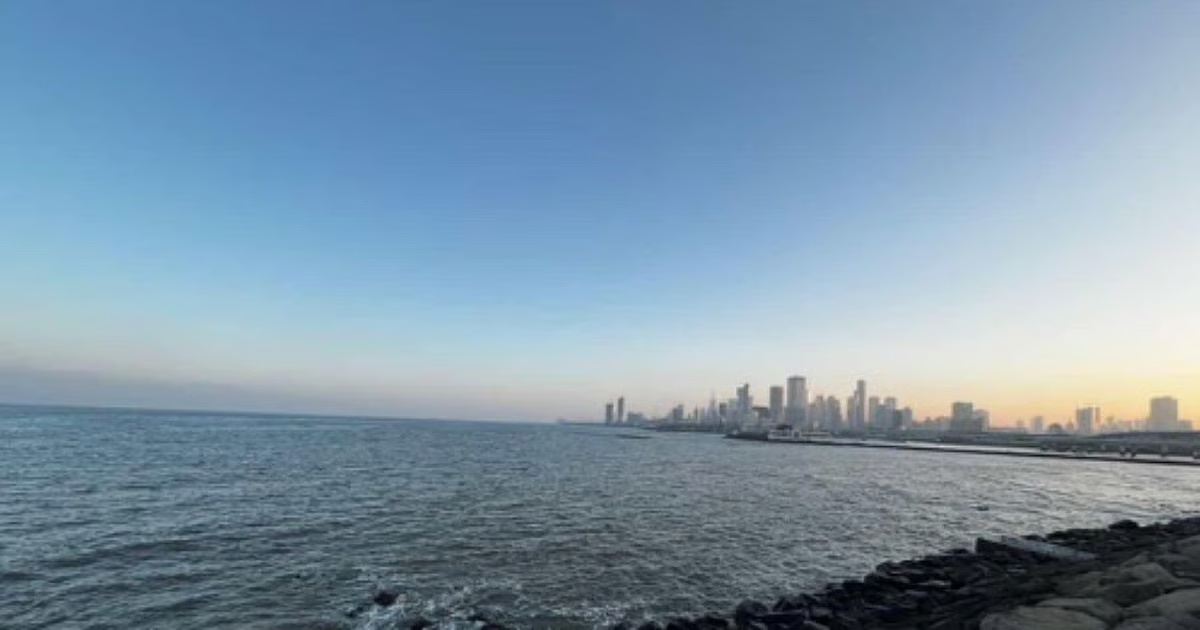
Mumbai is experiencing stable weather conditions with clear skies and warm temperatures, but air quality levels continue to vary significantly across different parts of the city. While overall pollution remains within acceptable limits, localised spikes highlight the uneven distribution of environmental stress in India’s financial capital. According to monitoring data, daytime temperatures are expected to remain in the mid-30s Celsius, with warm nights offering limited respite. The absence of rainfall and prevailing dry conditions have contributed to stable atmospheric patterns, but these same conditions can also limit the dispersion of pollutants, particularly in dense urban pockets.
The Mumbai air quality situation currently falls within the ‘satisfactory’ category on average, indicating that pollution levels are generally manageable for the wider population. However, readings from several locations reveal a more complex picture. Certain areas, especially those with heavy traffic flow or industrial activity, have recorded ‘moderate’ levels of pollution, suggesting higher concentrations of particulate matter and gases such as nitrogen dioxide. In contrast, coastal and less congested zones have reported relatively cleaner air, benefiting from better ventilation and lower emission intensity. This variation in Mumbai air quality underscores how micro-environmental factors—such as traffic density, land use patterns, and proximity to industrial zones—shape air pollution outcomes within the same city. Urban health experts caution that even moderate pollution levels can affect vulnerable groups, including children, the elderly, and those with respiratory conditions.
For these populations, prolonged exposure may lead to discomfort or exacerbate existing health issues, particularly during warmer months when heat stress compounds environmental risks. From a planning perspective, the fluctuating Mumbai air quality highlights the need for targeted interventions rather than citywide averages alone. Experts suggest that hyperlocal monitoring, combined with emission control strategies in identified hotspots, could deliver more effective outcomes. Measures such as improved traffic management, stricter regulation of industrial emissions, and expansion of urban green cover are often cited as critical steps. The current weather pattern also offers insight into seasonal transitions. Pre-monsoon conditions typically bring higher temperatures and clearer skies, but without strong winds or rainfall, pollutants can accumulate in certain areas. This dynamic reinforces the importance of integrating climate and air quality planning, particularly in coastal megacities facing rapid urbanisation.
Looking ahead, sustained improvement in Mumbai air quality will depend on long-term structural changes, including cleaner transport systems, decentralised urban planning, and climate-responsive infrastructure. While current conditions may not trigger immediate alarm, the variability across neighbourhoods serves as a reminder that air quality management remains a critical component of building healthier and more resilient cities.