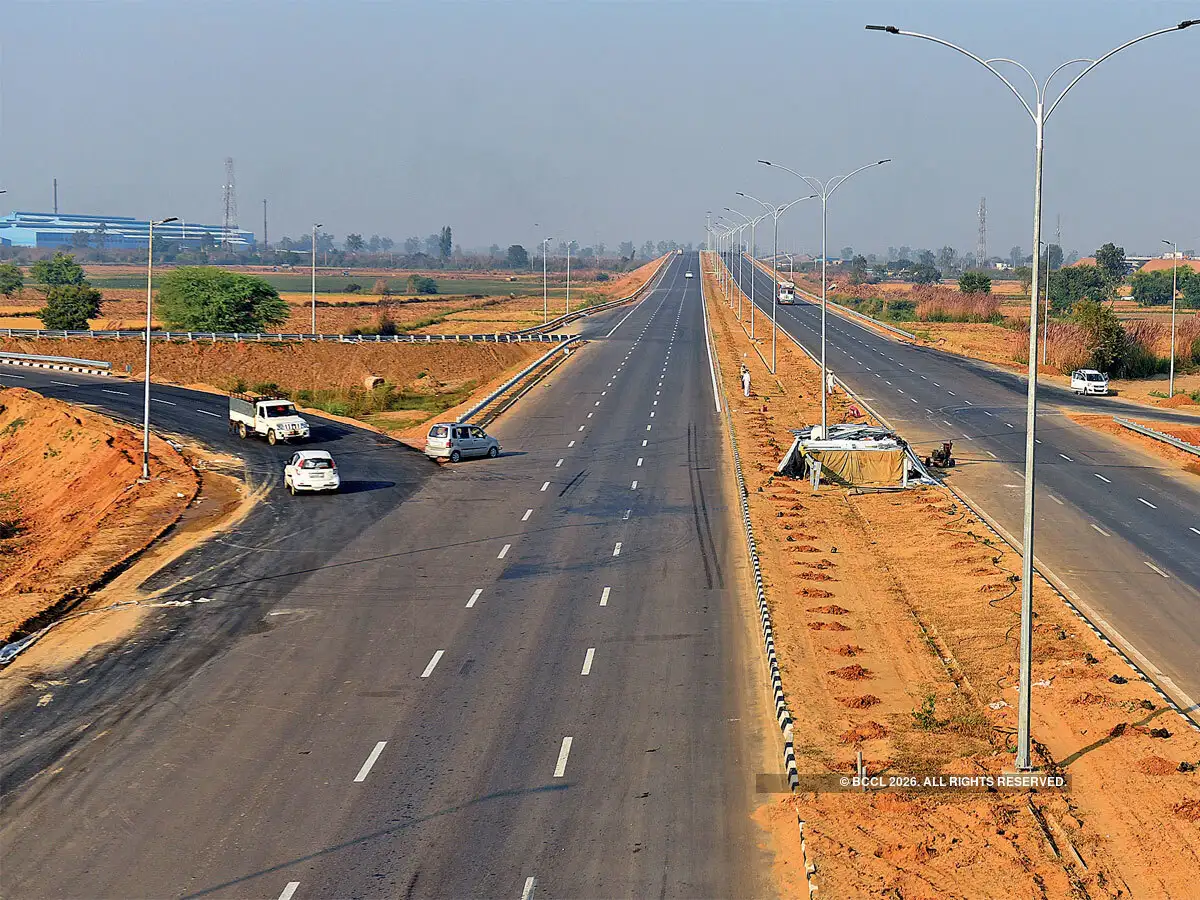
Mumbai’s transport governance framework is being nudged towards a more outcome-driven approach, with state authorities calling for a decisive shift from enforcement-led regulation to a culture centred on mishap-free travel and shared responsibility. The message was delivered at a public function marking the 86th foundation day of the Maharashtra Motor Transport Department, signalling a recalibration of how road safety and compliance are expected to be pursued across the state.
Senior government representatives used the occasion to underline that reducing road fatalities and injuries cannot rely solely on penalties or policing. Instead, they stressed the need for sustained public participation, behavioural change, and consistent awareness efforts to embed compliance into everyday mobility habits. For a state that records some of the country’s highest traffic volumes, the shift has wide implications for urban liveability, productivity, and public health. Officials indicated that the transport department’s role has expanded well beyond licensing and enforcement. Increasingly, it is being positioned as a citizen-facing service agency with responsibility for road safety planning, digital governance, and coordination with other urban infrastructure bodies. Recent years have seen the rollout of online licensing systems, expanded e-services, and data-led monitoring tools aimed at improving transparency and reducing processing delays.
According to transport policy experts, such digitalisation is critical for large, diverse states like Maharashtra, where access to services often varies sharply between metropolitan centres and rural or tribal regions. Technology-enabled systems can help standardise service delivery, reduce discretionary practices, and free up administrative capacity for safety-focused interventions rather than paperwork-heavy processes. The department also highlighted enforcement action against unauthorised transport operations and unsafe vehicles, framing it as part of a broader effort to professionalise the sector. Industry observers note that informal and illegal transport services often pose higher safety risks while undercutting compliant operators, distorting both safety outcomes and market fairness.
Beyond regulation, the government reiterated its intention to align transport policy with environmental and climate goals. Encouraging cleaner vehicle technologies, improving fleet efficiency, and integrating safety with sustainability were presented as parallel priorities rather than competing ones. Urban planners argue that safer roads, reduced congestion, and lower emissions are closely linked, particularly in cities where private vehicle growth has outpaced road capacity. The foundation day event also served as a reminder of the transport system’s economic role. From agricultural supply chains and industrial logistics to daily commuting for students and workers, road mobility underpins much of Maharashtra’s economic and social activity. Ensuring safe, predictable travel across varied geographies remains a complex task, especially amid rapid urbanisation and extreme weather events.
Looking ahead, policy specialists suggest that achieving meaningful reductions in road accidents will depend on how effectively awareness campaigns, technology tools, enforcement, and street design improvements are integrated. As Maharashtra reassesses its transport priorities, the emphasis appears to be shifting towards safer, more inclusive mobility as a core component of sustainable urban development rather than a standalone compliance exercise.
Mumbai Transport Department Pitches Mishap Free Roads