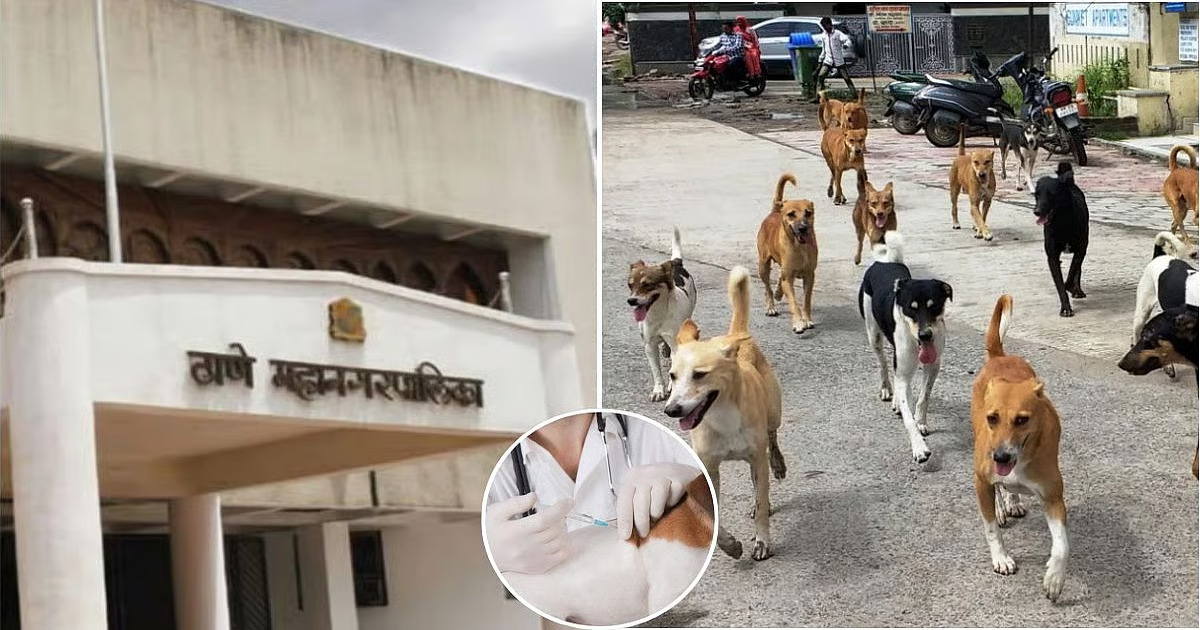
The Brihanmumbai Municipal Corporation (TMC) has intensified public health measures in Thane district with the launch of a comprehensive stray dog vaccination programme, “Rabies-Free Thane.” The initiative aims to vaccinate over 25,000 stray dogs across key urban and peri-urban zones within the coming month, addressing the rising incidence of dog bite cases and strengthening citywide zoonotic disease prevention.
Officials explained that a 50-member trained task force has been deployed to implement phased vaccination rounds. Approximately 5,000 dogs are set to be immunised in the initial phase, with operations staggered to ensure humane handling and adherence to animal welfare standards. Vaccinated animals will receive distinctive orange reflector collars, enhancing visibility for motorists and preventing repeat inoculations. In addition to anti-rabies immunisation, sterilisation programmes and awareness campaigns are planned to promote responsible pet ownership and manage stray populations sustainably. The drive follows directives from state authorities to establish permanent shelters and expand sterilisation infrastructure after public concerns over frequent dog bite incidents. Civic administrators highlighted the role of systematic vaccination in reducing human exposure to rabies, a disease that continues to pose a significant public health challenge in densely populated urban areas.
Data from local government hospitals indicate that more than 67,000 anti-rabies vaccine doses were administered between January 2025 and January 2026. With an average of three doses per patient, this suggests that roughly 22,000 residents received treatment during this period, highlighting the ongoing risk of rabies exposure in the district. These figures, officials noted, exclude vaccinations administered at private or municipal health facilities, suggesting the actual human impact may be substantially higher. Public health experts emphasise that urban centres like Thane, which face high human-animal interface pressures, require coordinated interventions combining vaccination, sterilisation, sheltering, and community engagement. Systematic data collection and monitoring are crucial to measure the efficacy of the campaign, optimise coverage, and prevent unnecessary overlap in vaccination efforts.
From an urban governance perspective, initiatives such as “Rabies-Free Thane” demonstrate the increasing importance of municipal authorities in mitigating zoonotic risks while balancing ecological and animal welfare considerations. Experts suggest that integrating such drives with broader urban health and environmental planning can reduce disease incidence, improve public safety, and promote a more humane approach to urban animal populations. Officials noted that sustained follow-up and community participation are essential for long-term success. Residents are encouraged to report stray dog clusters, support local sterilisation programmes, and follow safety guidelines to reduce human-animal conflicts. By adopting a coordinated, multi-pronged strategy, Thane’s municipal authorities aim to build a city ecosystem where public health, animal welfare, and urban safety are jointly prioritised.
TMC Initiates Rabies Control Campaign For Strays