Uttar Pradesh Smart Meter Halt Signals Policy Rethink
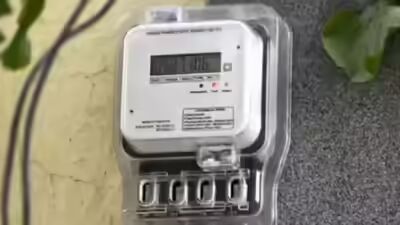
Uttar Pradesh has temporarily halted the rollout of prepaid smart electricity meters, introducing relief measures for consumers amid rising complaints over billing, disconnections, and system reliability. The decision, taken after a state-level review, reflects a growing recognition that large-scale utility reforms must align with consumer readiness and urban service resilience.
The move pauses new installations across the state until a technical review is completed. At the same time, authorities have introduced safeguards to prevent abrupt power cuts—one of the most contentious aspects of the prepaid system. Households will now continue receiving electricity for a limited period even after their balance runs out, reducing the risk of sudden disruptions in daily life. Additionally, newly installed connections will receive a transition buffer of up to 45 days before any disconnection can occur, offering time for users to adapt to the system. This shift marks a departure from the earlier automated disconnection model, which had triggered widespread concern, particularly among low-income households and those unfamiliar with prepaid billing mechanisms. The Uttar Pradesh smart meter rollout was originally positioned as a step towards modernising electricity distribution—improving billing accuracy, reducing losses, and enabling real-time consumption tracking. However, implementation challenges have exposed the complexities of introducing digital infrastructure in diverse urban and semi-urban settings.
Consumer grievances have centred around inconsistent billing patterns, lack of transparency in deductions, and sudden supply interruptions. In some cases, residents reported that connections were being shifted to smart meters without adequate consultation, highlighting governance gaps in rollout strategy. These concerns have prompted the formation of a technical committee to examine device performance, system integration, and operational reliability. From an urban systems perspective, the pause highlights a broader issue: the transition to smart utilities is not purely technological—it is deeply social. Cities depend on uninterrupted access to electricity not only for households but also for water supply, healthcare, transport, and digital services. Any disruption in energy access can have cascading effects across urban infrastructure networks. The Uttar Pradesh smart meter rollout also raises questions around equity. Prepaid systems, while efficient in theory, can disproportionately affect vulnerable populations who may struggle with frequent recharges or lack access to digital payment platforms. Without adequate safeguards, such models risk reinforcing existing inequalities in access to essential services.
Experts suggest that the current pause offers an opportunity to recalibrate the programme. Strengthening consumer awareness, improving grievance redressal systems, and ensuring transparency in billing mechanisms could help rebuild public trust. The introduction of multi-stage alerts and helpline support indicates a shift towards more responsive service delivery, though its effectiveness will depend on execution. As cities across India move towards smarter infrastructure, the experience in Uttar Pradesh underscores the importance of sequencing reforms carefully. Technological upgrades must be matched with institutional capacity and citizen-centric design. The next phase of the programme will likely determine whether smart metering can deliver on its promise of efficiency without compromising accessibility and reliability.