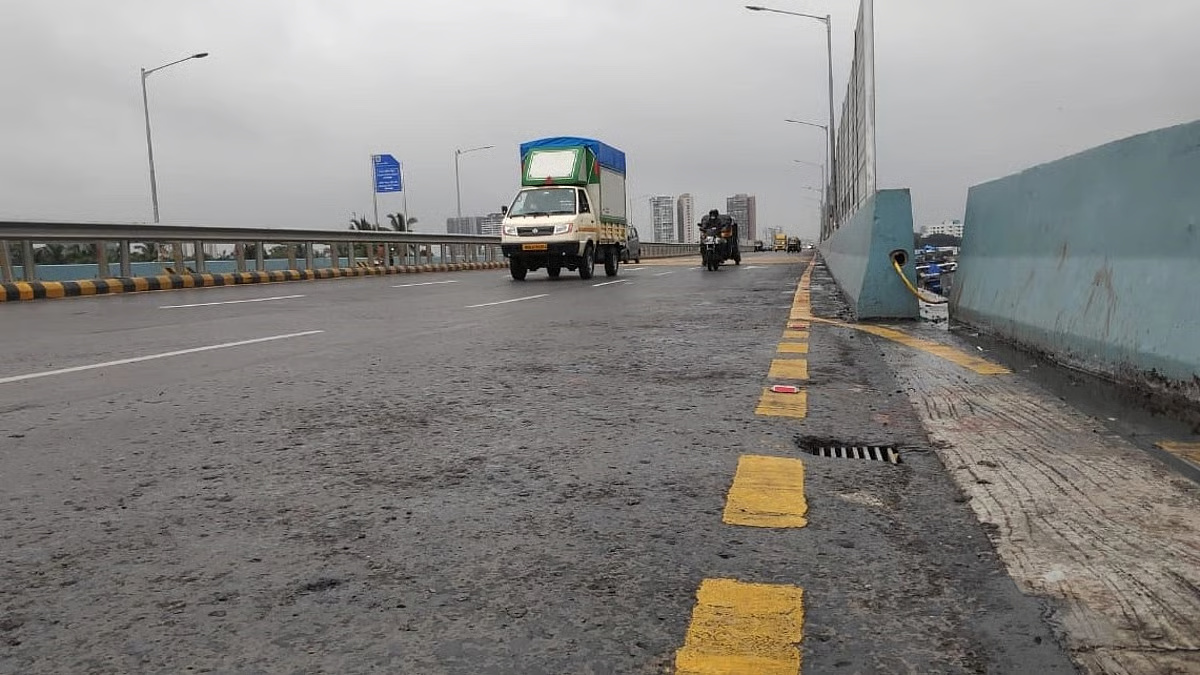
Authorities in Thane have imposed a strict pre-monsoon deadline to complete critical upgrades along the Ghodbunder Road corridor, a key arterial stretch linking expanding suburbs to the city’s core, in an effort to reduce congestion and recurring seasonal disruptions. A recent multi-agency inspection led by the municipal administration has directed departments overseeing roads, metro construction, and regional infrastructure to expedite ongoing work and ensure that the corridor is operationally ready before heavy rainfall begins. The Ghodbunder Road work deadline has been set for the end of May, reflecting growing urgency to address mobility bottlenecks that intensify during the monsoon.
The corridor functions as a vital east-west connector, particularly for residents in rapidly developing zones beyond Kapurbawdi who depend on it for access to Thane’s railway network and commercial centres. However, incomplete infrastructure, narrowed carriageways, and waterlogging have historically slowed traffic, increasing commute times and fuel consumption while raising safety concerns. Urban mobility experts point out that such corridors often carry the dual burden of serving both local traffic and regional transit, making timely execution of infrastructure upgrades critical. Delays in completing slip roads, service lanes, and junction improvements not only disrupt daily travel but also create cascading effects across the wider transport network. During the inspection, officials prioritised a range of interventions, including road shoulder concreting, integration of service roads, and improvements at high-traffic junctions. Work beneath elevated metro structures—where space constraints frequently create choke points—has also been identified for urgent completion. In addition, utility-related works such as relocation of pipelines and electrical infrastructure are being fast-tracked to prevent repeated road digging.
From a climate resilience perspective, the Ghodbunder Road work deadline is particularly significant. Monsoon flooding in low-lying sections of the corridor has previously disrupted traffic and damaged road surfaces. Strengthening drainage systems, stabilising road shoulders, and ensuring proper surface finishing are seen as essential steps to mitigate waterlogging and maintain year-round usability. The administration has also emphasised better traffic management planning, including the creation of designated bus bays, rickshaw stands, and clearer parking regulations. Transport planners argue that such measures are crucial for improving last-mile connectivity and reducing informal stoppages that contribute to congestion. However, experts caution that while accelerated timelines may improve short-term conditions, long-term outcomes depend on coordinated planning between multiple agencies. Fragmented execution has often been a challenge in urban infrastructure projects, particularly where roadworks intersect with metro construction and regional development initiatives.
As the deadline approaches, the focus remains on ensuring that the corridor is not only completed but also resilient to seasonal stress. For a city experiencing rapid expansion and rising commuter demand, the effectiveness of this intervention will serve as a test case for how infrastructure delivery aligns with sustainable and commuter-centric urban growth.