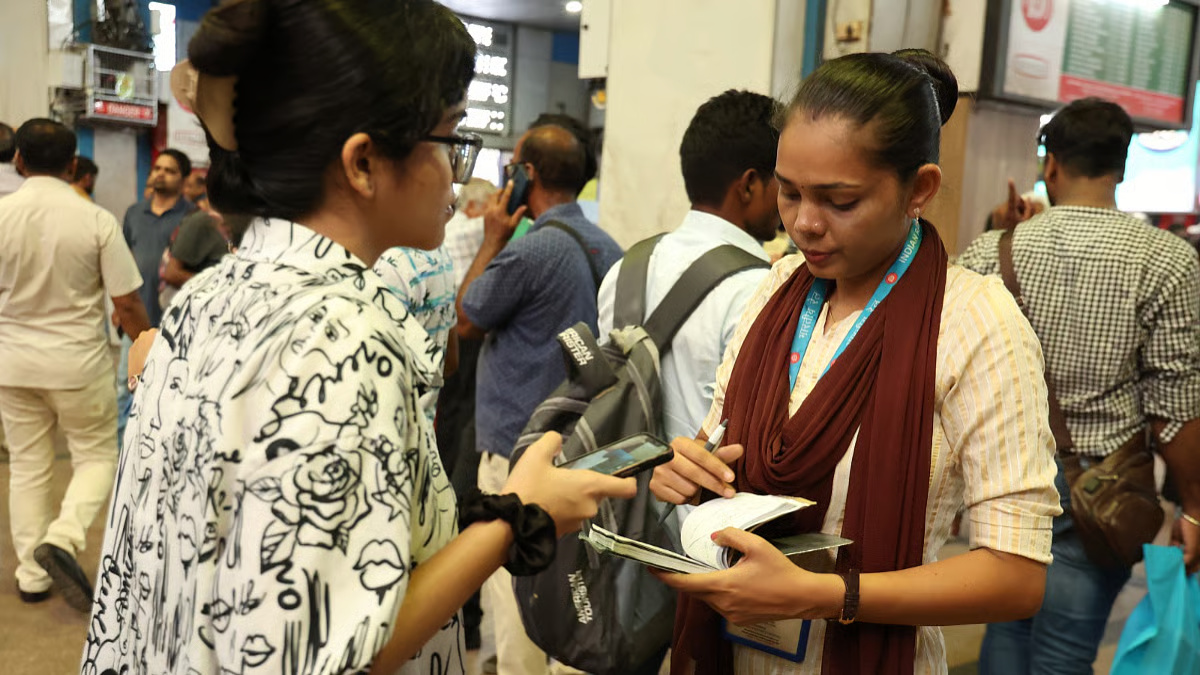
Mumbai’s suburban rail network has recorded an unprecedented spike in enforcement-led earnings, with the latest Mumbai ticket checking revenue figures highlighting both improved compliance efforts and the continuing pressures on one of the world’s busiest transit systems. Authorities reported a record single-day collection alongside the highest-ever monthly total, reflecting intensified monitoring across key routes. The surge in Mumbai ticket checking revenue comes after a series of targeted drives aimed at reducing fare evasion across suburban and long-distance services. Railway officials indicate that thousands of cases were identified in a single day, surpassing previous benchmarks and signalling a more stringent approach to enforcement. Over the course of April, cumulative collections reached a new high, underscoring the scale of the initiative.
From a governance standpoint, the development points to a dual reality. On one hand, stricter checks are improving revenue streams for a network that requires constant investment in maintenance and upgrades. On the other, the large number of violations raises concerns about affordability, accessibility, and behavioural patterns within the commuter base. Urban transport experts suggest that fare evasion is often linked to systemic challenges, including overcrowding, limited ticketing access during peak hours, and economic constraints faced by daily wage commuters. “Enforcement can address leakage, but long-term solutions require improving ease of access to ticketing and ensuring pricing structures remain inclusive,” said a public transport policy analyst. The rise in Mumbai ticket checking revenue also intersects with broader discussions on sustainable urban mobility. Financial stability is critical for expanding rail infrastructure, enhancing safety measures, and modernising ageing assets. Increased revenue from compliance can support investments in energy-efficient trains, station upgrades, and digital ticketing systems, all of which contribute to reducing the environmental footprint of mass transit.
However, experts caution against over-reliance on punitive measures. A balanced approach combining enforcement with commuter-friendly reforms—such as seamless digital payment options, integrated ticketing across transport modes, and better crowd management—may yield more sustainable outcomes. In high-density cities like Mumbai, where millions depend on rail services daily, accessibility remains as important as accountability. The record collections also reflect the scale and complexity of operating a transit system that underpins the region’s economic activity. Suburban trains enable workforce mobility across vast distances at relatively low cost, making them central to both productivity and social equity. Ensuring that revenue generation does not come at the expense of inclusivity will be a key challenge for policymakers.
Looking ahead, the focus is likely to shift towards integrating enforcement gains with broader system improvements. As Mumbai continues to expand its metro network and upgrade suburban services, maintaining a balance between financial sustainability and commuter welfare will be essential.