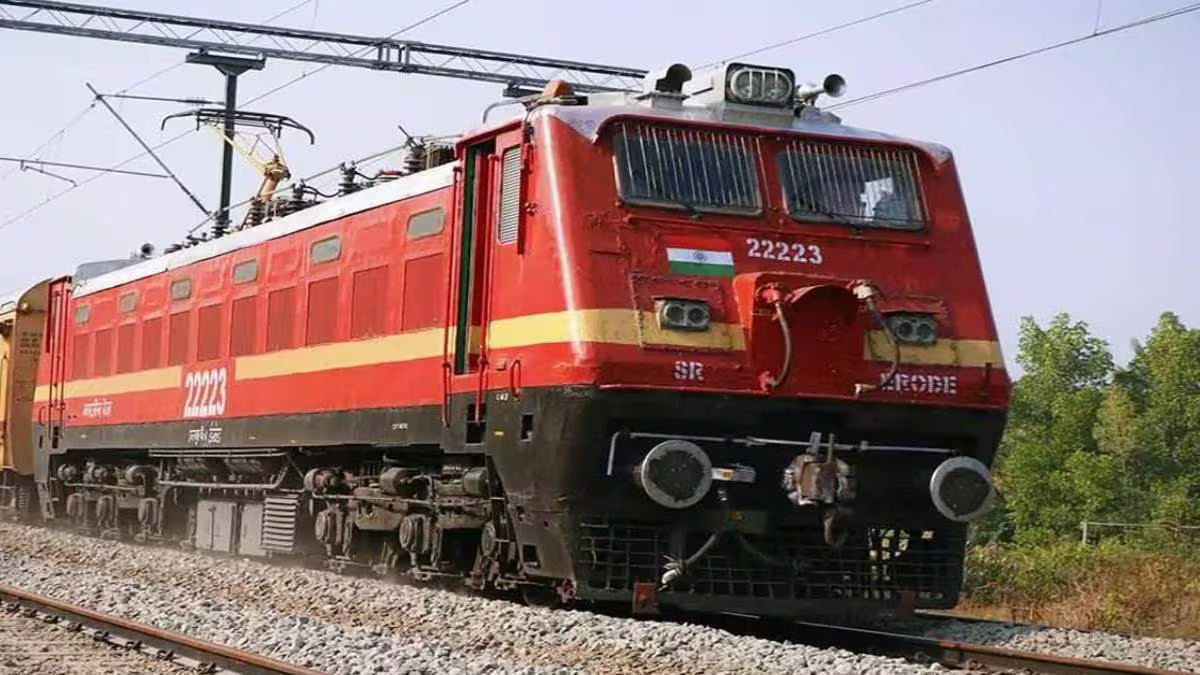
Mumbai Madgaon Summer Special Trains Ease Travel Demand
Seasonal travel demand between Mumbai and Goa has prompted railway authorities to introduce additional Mumbai Madgaon summer special trains, aiming to ease congestion on one of western India’s most heavily used leisure corridors. The temporary services are expected to provide relief to passengers during the peak holiday period while improving access across intermediate towns along the Konkan belt. The new train operations, scheduled in early May, connect Lokmanya Tilak Terminus in Mumbai with Madgaon in Goa, covering key stations across Maharashtra’s coastal region. Transport officials indicate that the initiative is designed to manage the annual surge in passenger volumes, particularly as road routes and existing rail services experience capacity constraints during summer months.
The introduction of Mumbai Madgaon summer special trains highlights the seasonal pressure faced by India’s rail infrastructure, where demand often exceeds available capacity during festivals and holidays. By adding temporary services, authorities aim to distribute passenger load more evenly, reducing overcrowding and improving travel reliability. The route includes multiple halts across the Konkan Railway network, ensuring connectivity for smaller towns that depend heavily on rail links for economic and social mobility. Urban development experts note that such connectivity plays a crucial role in supporting regional economies, particularly in tourism-dependent areas where seasonal inflows drive local income. In terms of train composition, the services include a mix of air-conditioned, sleeper, and general coaches, reflecting the diverse income groups that rely on the route. This multi-class configuration is seen as essential in maintaining inclusivity within long-distance rail travel, especially in a country where affordability remains a key determinant of mobility.
From a sustainability perspective, rail-based travel continues to offer a lower-emission alternative compared to private vehicles on long-distance routes. By expanding capacity through Mumbai Madgaon summer special trains, authorities can potentially reduce the number of road trips, easing highway congestion and lowering the environmental footprint of seasonal travel. However, transport analysts caution that short-term measures must be complemented by long-term capacity planning. The recurring need for special trains points to structural gaps in infrastructure, including limited track capacity and rising demand for intercity travel. Investments in network expansion, signalling upgrades, and modern rolling stock will be critical to addressing these challenges sustainably. The services are also expected to support tourism flows between Mumbai and Goa, a corridor that sees significant movement during holidays. Improved rail connectivity can enhance accessibility while distributing tourist traffic more evenly across destinations, reducing pressure on specific hotspots.
As passenger volumes continue to grow, the success of initiatives like Mumbai Madgaon summer special trains will depend on how effectively they integrate with broader transport planning. Ensuring reliable, affordable, and environmentally responsible travel options remains central to building resilient mobility systems that can adapt to both seasonal and long-term demand shifts.