


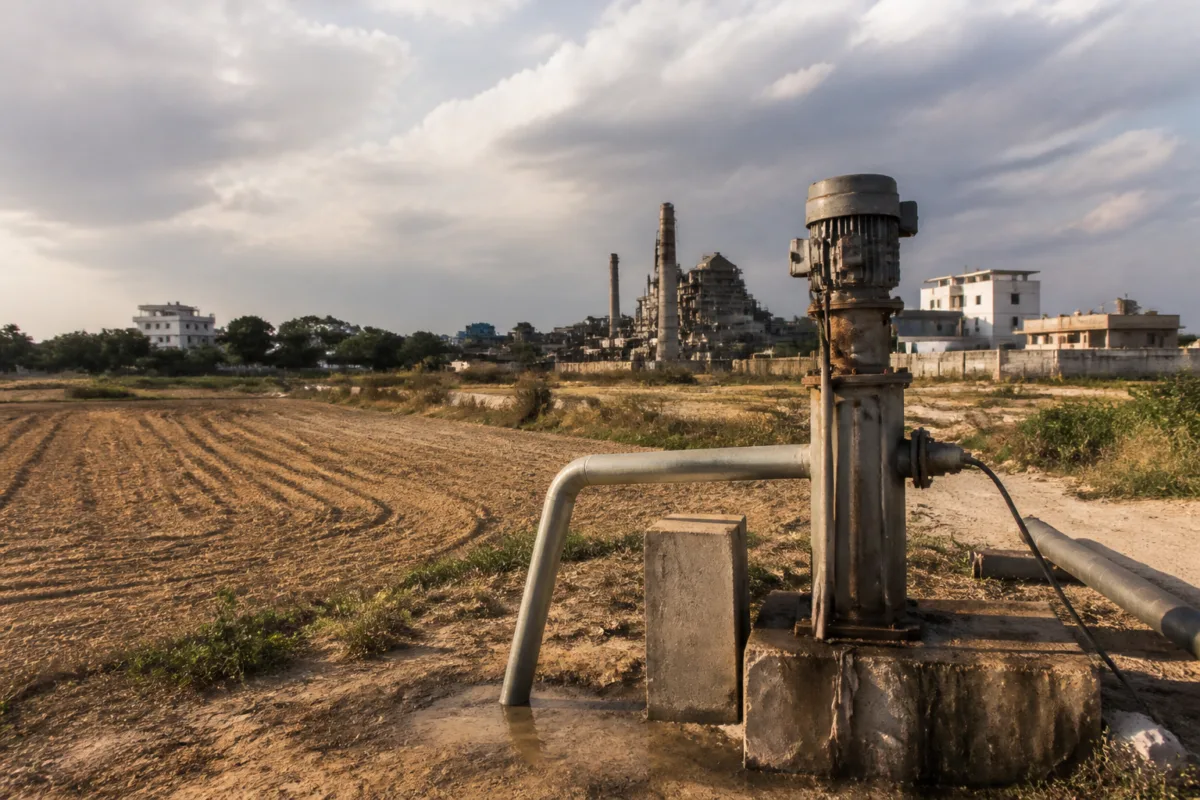
Sangareddy’s breweries are turning to groundwater after supplies of Manjeera water were reportedly curtailed, bringing fresh pressure on an already declining aquifer and raising concerns for other industries and local water users.
According to a report by Telangana Today, breweries located in and around Sangareddy town have begun exploring groundwater sources after officials of the Hyderabad Metropolitan Water Supply and Sewerage Board almost stopped supplying them with Manjeera water. The companies had previously relied on water from the Singur project for manufacturing throughout the year.
The shift marks the first reported move towards groundwater dependence by these breweries since 2019. The report said Singur had adequate water over the past six years, allowing the manufacturers to operate without relying on borewells. Manjeera water is also reported to contribute to the taste of the beer produced by the companies.
Breweries are now examining options to rent borewells located on agricultural farms and in residential areas. The companies would accept water from these sources only after conducting tests, according to the report. The change could affect an industry serving monthly consumption estimated at between 35 lakh and 60 lakh cases in Telangana, with demand rising during summer and festive periods.
The water search is not limited to breweries. Pharmaceutical companies and other industrial units in Sangareddy district that require water for their operations are also looking for alternative sources. These companies are reportedly focusing on agricultural pump sets operated by farmers, with some supplies potentially available until next June.
The emerging competition places industrial water demand alongside the requirements of farming and residential settlements. Renting borewells in agricultural and residential areas could make private groundwater infrastructure an increasingly important part of industrial operations, although the report does not specify the number of borewells being considered or the volumes that companies intend to draw.
The pressure is developing as groundwater conditions worsen. The average groundwater table in Sangareddy fell to 11.24 metres in September, compared with 4.71 metres during the same month last year, according to the report. It attributed the decline to over-exploitation and poor rainfall.
The figures indicate a substantial deterioration in groundwater availability at the same time that industries are seeking alternatives to surface-water supplies. However, the report does not establish whether the fall is uniform across Sangareddy district or identify the specific monitoring locations used for the comparison.
For the affected companies, the immediate issue is continuity of industrial water supply. For the district, the reported shift raises questions about how surface-water curtailment, industrial concentration, agricultural pumping and weak rainfall are interacting. The next reported milestone is the continued search for alternative water sources, including farmer-operated pump sets that may supply industrial units until next June.

