


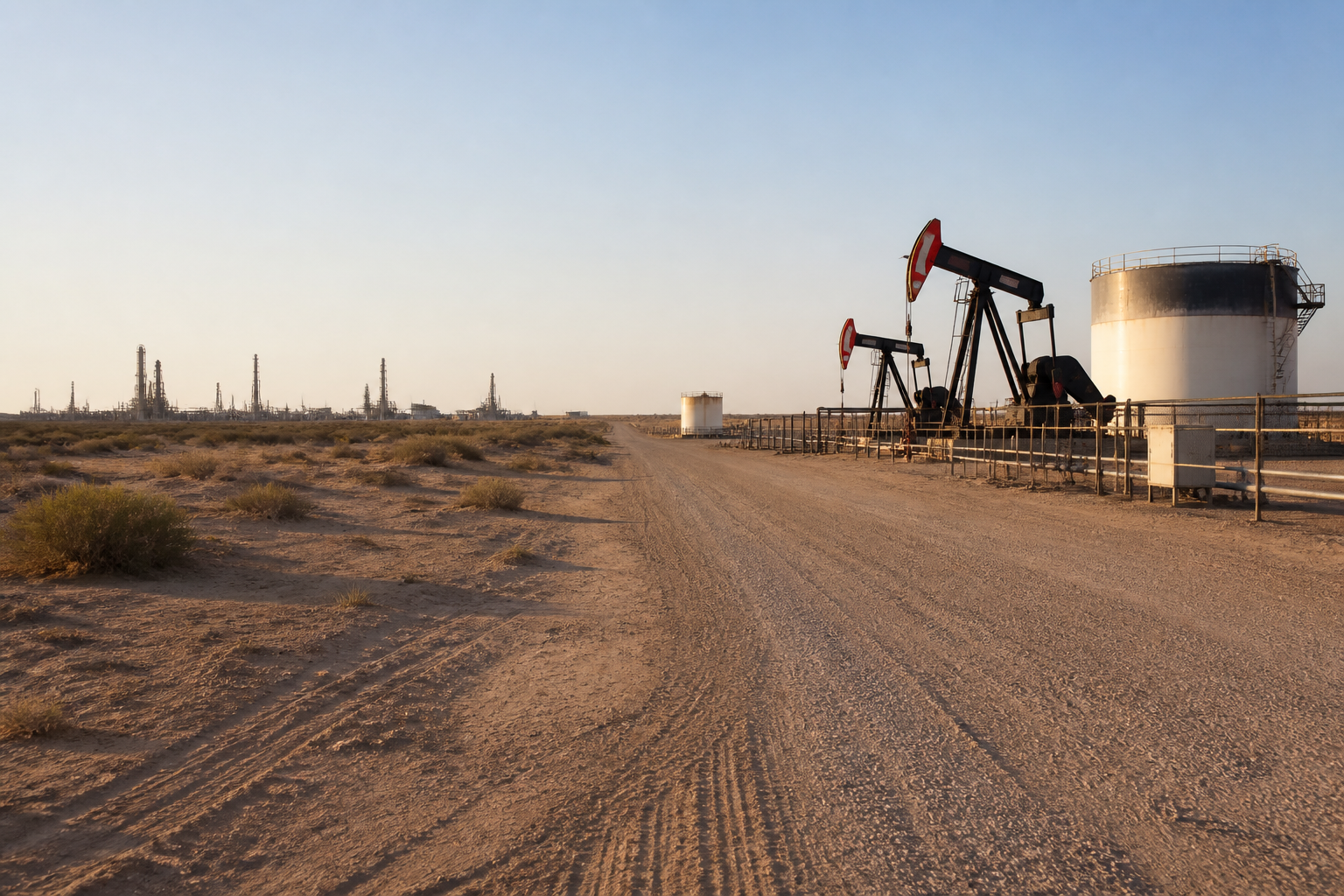
Vedanta’s plan to invest about $200 million in Rajasthan’s mature oil fields is more than a company production target. It is a test of whether enhanced recovery from existing wells can slow the decline of India’s domestic crude supply while consumption continues to rise. The company says it will spend approximately $200 million, or ₹2,000 crore, in 2026-27 across the Mangla, Bhagyam and Aishwariya fields in northern Rajasthan.
The immediate focus is Mangla, the field that helped turn Barmer into India’s largest onshore oil-producing region after its discovery in 2004. Vedanta Oil and Gas, formerly known as Cairn India, is targeting production of more than 150,000 barrels per day from Mangla, compared with about 80,000 bpd currently. The proposed increase is intended to come from existing assets rather than a newly discovered field.
That distinction is important. The company’s plan is built around extracting more from producing wells as the underlying reservoirs mature. Vedanta interim chief executive officer and whole-time director Jim Johnny Gast said producing fields were experiencing natural declines of 1% to 3%. The company is therefore relying on polymer flooding, well interventions and other enhanced-recovery methods to counter the decline.
Mangla’s production strategy includes polymer flooding and alkaline-surfactant-polymer injection. These methods are designed to improve the movement of oil through a reservoir and increase the quantity that can ultimately be recovered. According to Gast, recovery from producing wells has reached 41%, while Vedanta has set a target of 60%.
The figures show why the company is concentrating on recovery from existing assets. Vedanta’s average gross operated production stood at 77.7 thousand barrels of oil equivalent per day in the first quarter of the current financial year, down 17% from 93.2 kboepd a year earlier. Rajasthan accounted for 81% of the company’s total production, making the state central to Vedanta’s immediate output strategy.
The Rajasthan programme also illustrates the institutional and operational limits of relying on domestic production growth. The Economic Times report, citing Gast, said India’s total crude production had remained between 0.87 million and 0.99 million barrels of oil equivalent over the past 20 years, while consumption rose from 2.65 million to 5.6 million barrels of oil equivalent. The widening gap is the central reason Vedanta says it is pursuing both higher recovery from producing wells and exploration in smaller sedimentary basins.
This gap has direct consequences for the wider urban economy. Oil is not only an upstream industry issue. Crude supply influences the availability of fuels used by transport systems, logistics networks, construction activity, backup power systems and industrial operations that support cities. The supplied report does not establish how Vedanta’s proposed output increase would affect fuel prices, imports or consumer costs. It does, however, show the scale of the supply challenge the company is attempting to address.
The strategy also reveals why mature fields remain important even when their production is falling. Existing fields already have production infrastructure, operating knowledge and established field systems. Increasing recovery from them can be pursued alongside exploration in less-developed basins. Vedanta’s stated approach combines both: maintaining output from Rajasthan while developing the northeast as a new hub for gas growth.
The division between the two regions reflects different stages of resource development. Rajasthan is described as the company’s largest producing asset and the immediate site of enhanced oil recovery. The northeast is being positioned for gas growth, but the supplied material does not provide a project value, production target, schedule or field-by-field plan for that expansion. Those details will be necessary to assess whether the proposed gas hub can materially change Vedanta’s production profile.
The recovery target is also a measure of execution rather than only ambition. Moving from 41% recovery to 60% would require the company’s injection and well-intervention measures to work across fields that are already experiencing natural decline. The available report does not provide the technical assumptions behind the target, the cost of each recovery method or a timetable for reaching it. It therefore establishes the direction of the programme but not whether the full production goal will be achieved.
The reported decline in Vedanta’s operated production adds another layer to the assessment. Rajasthan supplied 81% of total production in the first quarter, even as the company’s overall operated output fell to 77.7 kboepd. This concentration makes performance at Mangla, Bhagyam and Aishwariya particularly consequential for the company. It also means the proposed investment is aimed at protecting a core asset base rather than diversifying production immediately.
For Barmer, the oil fields represent more than subsurface reserves. Mangla’s discovery helped establish the region as India’s leading onshore oil-producing area. The current investment indicates that the field remains economically and operationally significant two decades after discovery. The supplied report does not quantify employment, local government revenue, land use or infrastructure effects in Barmer, so those dimensions cannot yet be measured from the announcement.
The broader policy question is how India can increase domestic energy production without treating new discoveries as the only route to supply growth. Gast said the company was trying to explore smaller sedimentary basins with “vast opportunity” while also increasing production from existing wells. That approach places exploration and improved recovery in the same framework: new basins may add future capacity, while enhanced recovery is expected to support present output.
For urban planners and infrastructure agencies, the relevance lies in the connection between energy supply and city operations. Rising consumption, as cited in the report, implies growing pressure on the systems that move people and goods and power economic activity. But the announcement does not provide enough evidence to determine how much additional energy will reach cities, which sectors would benefit first or whether the investment would reduce dependence on imported crude.
What the evidence confirms is narrower but significant. Vedanta plans to invest about $200 million in Rajasthan during 2026-27, is targeting more than 150,000 bpd from Mangla against current output of about 80,000 bpd, and aims to raise recovery from producing wells from 41% to 60%. The company is also developing a northeast gas-growth hub. What remains uncertain is whether enhanced recovery can reverse the reported production decline, how quickly the targets can be reached and what measurable effect the programme will have on India’s supply gap. Those will be the key indicators to monitor as the investment moves from plan to field execution.
