


Pune’s water-supply planning is facing scrutiny after civic activist Vivek Velankar attributed the prospect of alternate-day supply to leakage, allocation problems and weak coordination between the Pune Municipal Corporation and the Water Resources Department.
Speaking at a discussion in Navi Peth on Friday, November 20, Velankar said the city could face an expected water shortage over the next eight months despite reservoir storage being reported at 75% in November. He argued that the situation was not solely a natural crisis, but also reflected shortcomings in water distribution and planning.
Velankar, president of the Sajag Nagrik Manch, cited figures he said were obtained under the Right to Information Act. According to the figures presented at the meeting, leakage at the Khadakwasla dam, built in 1879, was recorded at zero. The reported leakage levels were 3% at Panshet, built in 1969, 7% at Varasgaon, built in 1994, and 15% at Temghar, which was built in 2010.
He also said that Temghar had cost about Rs 323 crore to build, while Rs 500 crore had been spent on repairs over the past decade. The source report does not include responses from the Water Resources Department or the municipal corporation to these figures.
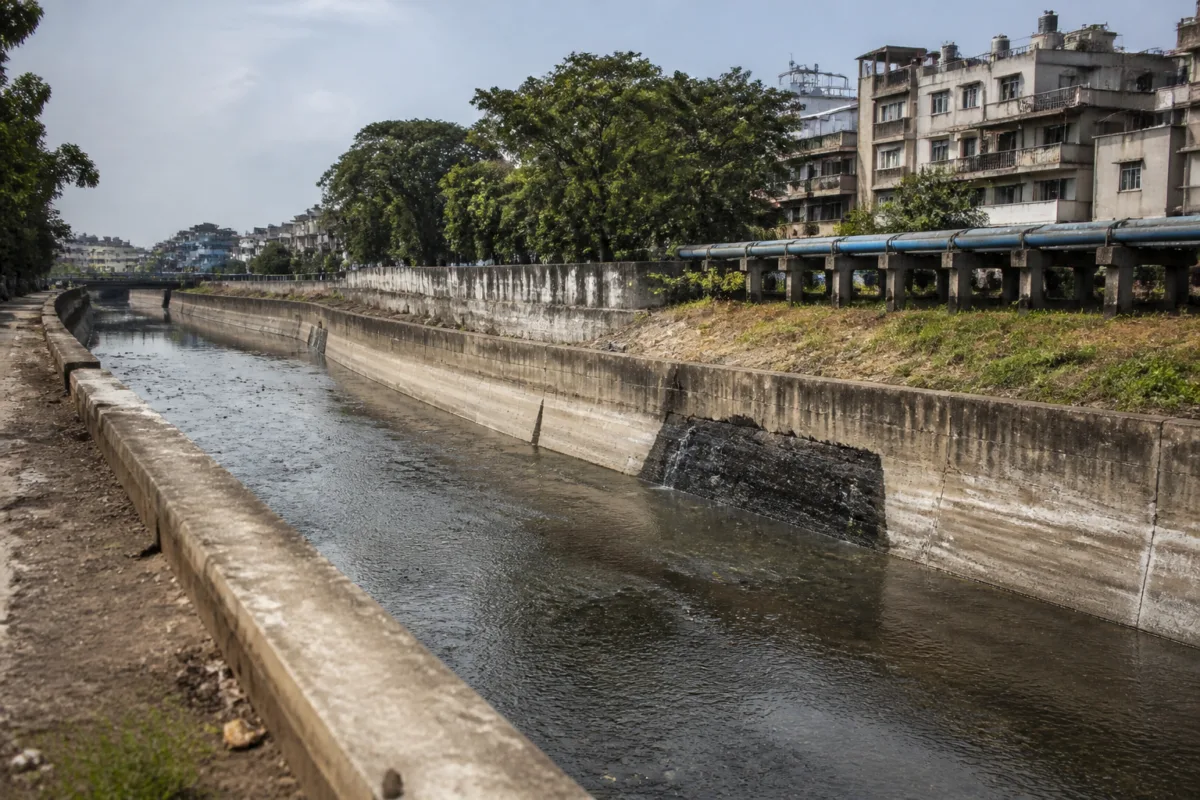
Canal losses formed another part of Velankar’s criticism. He claimed that the Mutha right-bank canal was experiencing leakage of about 50%, including a leak near Dandekar Bridge that had continued for several years. Such losses, if confirmed, would affect the volume of treated and stored water that can reach the city and surrounding agricultural areas.
Velankar also referred to a 2001 agreement under which Pune was allocated 11.5 thousand million cubic feet, or TMC, of water. He said the agreement required 5.5 TMC of sewage to be treated to an agricultural standard and supplied up to Daund. The report said the Mundhwa jackwell project had received an investment of Rs 100 crore, but was not being used to its designed capacity, according to his account.
The allocation of water for agricultural rotations was also questioned. Velankar alleged that the Water Resources Department did not maintain demand letters from farmers and crop-pattern calculations when releasing water for the rabi and kharif seasons. Instead, he said, releases were based on estimates and ministerial approval. These claims were presented at the meeting and were not accompanied in the report by departmental records or an official response.
At the municipal level, Velankar said Pune’s water-supply schedule had declined from twice-daily delivery in the past to once daily and, increasingly, alternate-day supply. He linked this change to inadequate strategic planning and a lack of transparency.
He further said the city did not have accurate mapping of its water pipelines. In his account, this contributed to pipelines being repeatedly damaged during excavation work. He also said residents faced difficulties obtaining water connections that they were entitled to under the rules.
The issues raised point to several linked questions for Pune’s water governance: how much water is lost before reaching users, whether existing reuse infrastructure is operating at capacity, how agricultural releases are calculated, and whether the city and state agencies maintain a shared and current map of the distribution network. The available report records Velankar’s allegations and the figures he cited; it does not establish the agencies’ position or independently verify the data.
For residents, the immediate concern is the possibility of reduced supply despite substantial reservoir storage. The longer-term concern is whether infrastructure losses, incomplete network information and fragmented planning are reducing the reliability of a system that depends on coordinated decisions by the municipal corporation and the state water-resources administration.

