


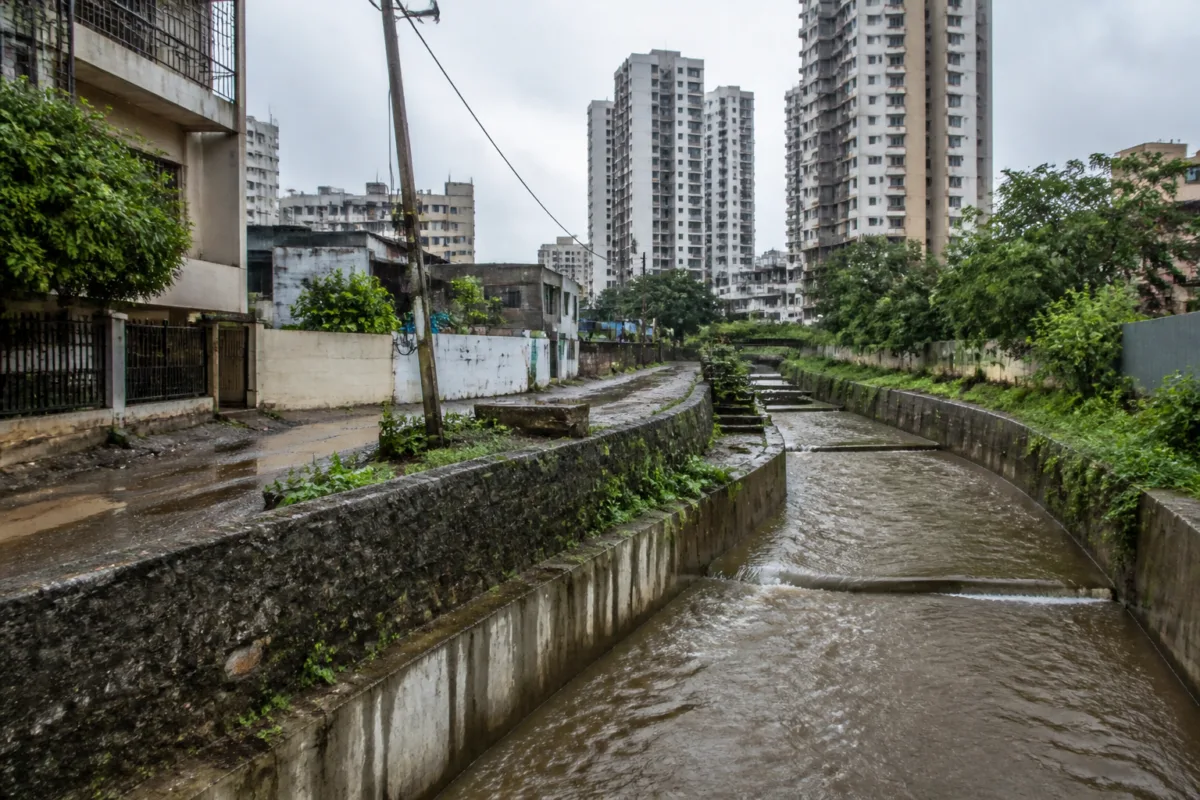
Pune Municipal Corporation has disclosed that natural drains have been diverted at 47 locations across the city, prompting questions about the effect of development approvals on stormwater flows and monsoon flood risks.
City Engineer Aniruddha Pawaskar provided the figure before the PMC General Body after Congress corporator Arvind Shinde pressed the civic administration for data on diversions carried out over the past four to five years, according to Pune Mirror. The disclosure came during a wider discussion on the Unified Development Control and Promotion Regulations and alleged irregular construction.
Shinde alleged that the diversions were undertaken to facilitate large housing projects and serve developer interests. He argued that changing the natural course of streams, including diverting channels at right angles, could obstruct rainwater flows and increase the risk of water entering homes in low-lying areas during heavy rainfall. These claims were made during the civic debate and were not independently established in the report.
Pawaskar said the permissions had been granted under provisions of the UDCPR after technical scrutiny. According to the report, the civic body assessed the cross-section of each project and the flow of water before approving a diversion. The report does not provide the 47 locations, the individual approval files, the technical assessments or details of any post-monsoon performance reviews.
The discussion also covered concessions in mandatory side, front and rear building margins. Shinde said these open spaces are important for access by fire engines and ambulances, future road widening, natural light and ventilation. He alleged that large projects had received relaxations despite those requirements. Pawaskar responded that such concessions were allowed only after the opinions of the Fire Brigade and Health Department were obtained.
Shinde further questioned how 44-storey buildings could receive permission on six-metre-wide dead-end roads. He alleged that developers were using Transferable Development Rights linked to nine-metre-wide roads within a 100-metre distance to obtain such approvals. The report does not include the names of specific projects or the relevant approval documents.
The exchange highlights a governance issue beyond individual drainage works: whether decisions affecting natural water channels are being assessed together with building density, access for emergency services and the capacity of surrounding civic infrastructure. The PMC’s stated process involves project-level technical scrutiny, but the disclosure of a citywide total has created a demand for a consolidated public record.
Shinde called for a detailed inquiry and a comprehensive report on the 47 diversions and the permissions issued by the administration. He also urged the Mayor to impose a five-year moratorium on fresh construction permissions, citing concerns about Pune’s water supply, drainage network, sewage-treatment projects and traffic congestion.
The immediate unresolved questions are which drains were diverted, when each permission was granted, what alternatives were examined, and whether the approved channels can safely carry peak monsoon flows. The report records the demand for this information but does not state that the proposed inquiry or moratorium has been approved.

