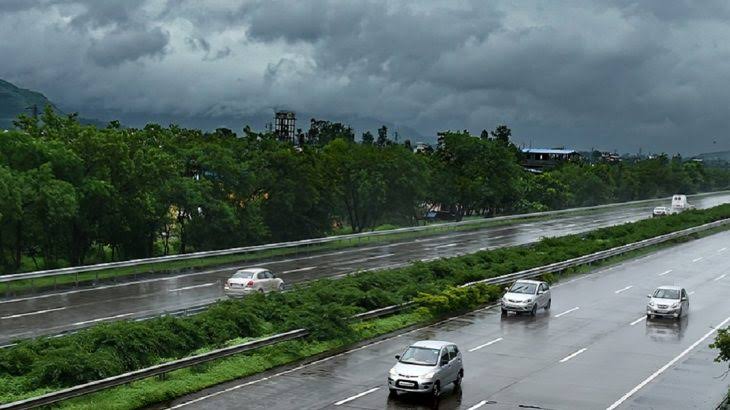
Pune — Pune’s traffic police have been asked to systematically flag pothole-prone roads and junctions to the municipal corporation as monsoon damage slows traffic across the city. The move shifts part of the response from traffic management to coordinated road maintenance, highlighting a recurring urban problem: poor road conditions can quickly become a mobility, safety and public-infrastructure issue rather than simply a maintenance complaint.
Following a review of congestion across major junctions, the police leadership has instructed traffic units to identify locations where potholes are affecting vehicle movement and communicate them to the Pune Municipal Corporation (PMC). Officers have also been asked to follow up with civic officials so that repairs are undertaken. The instructions come as persistent monsoon rainfall continues to expose weaknesses in Pune’s road network. Potholes can force drivers to reduce speed, change lanes suddenly or move around damaged sections, creating friction at already busy intersections. For pedestrians and two-wheeler users, the consequences can be more serious, particularly where water obscures the depth of damaged surfaces. The approach also asks traffic personnel to look beyond immediate congestion. Officers are expected to examine why particular stretches repeatedly experience delays, including road geometry, encroachments and junction design. This is significant because a pothole may be the visible trigger for a traffic queue while the underlying problem can involve drainage, inadequate road design or competing movements at an intersection.
Pune has already identified pothole-free roads and improved traffic flow as part of its broader urban air-quality and mobility measures. PMC documents submitted to the National Green Tribunal have referred to road-maintenance vehicles, resurfacing measures and street-design guidelines intended to give greater priority to people rather than vehicles. The latest Pune pothole repairs push therefore needs to be judged not only by the number of cavities filled but by how long those repairs survive. Temporary patching can deteriorate rapidly when water enters cracks or when drainage remains inadequate. A more durable approach would connect road resurfacing with storm-water management, utility works and routine inspection. The police have also been directed to compile information on road conditions, junction layouts and encroachments before the end of August. That data could give civic agencies a more practical picture of where traffic problems originate rather than relying only on complaints or periodic surveys.
For commuters, faster Pune pothole repairs could bring immediate relief during the remaining monsoon. But the longer-term measure of success will be whether the city can move from reacting to damaged roads towards preventive maintenance, better drainage and safer street design. That would reduce disruption while making everyday mobility more predictable for pedestrians, cyclists, public-transport users and motorists alike.