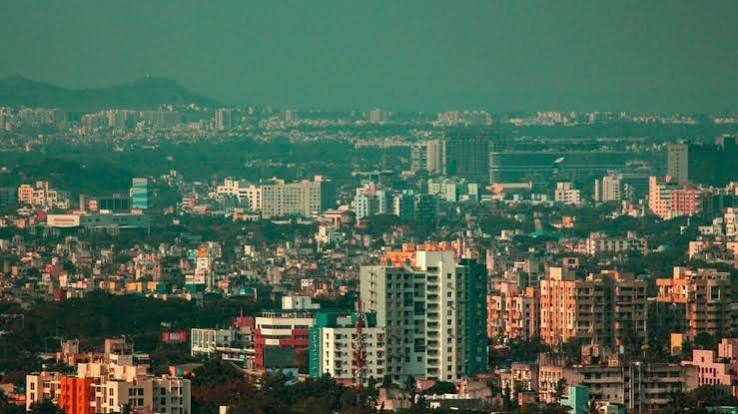
Pune Cantonment Eyes Revenue From Koregaon Park Land
The Pune Cantonment Board is seeking approval to commercially utilise a 5.43-acre parcel in Koregaon Park, an asset that has remained unused for decades. The proposal comes as the civic authority struggles with a widening gap between its income and essential expenditure, putting renewed focus on how publicly controlled land can generate stable revenue without compromising long-term urban interests.
The property is classified as ‘C’ land and remains under the board’s management. Officials have sought statutory clearance from the Principal Directorate of Defence Estates, Southern Command. According to the board, the existing classification means a change in land purpose may not be necessary, although commercial use would still depend on the required approvals. The financial pressure behind the proposal is substantial. The board reportedly needs around ₹12 crore each month for salaries, pensions, utilities and other basic obligations, while its monthly revenue is estimated at only about ₹2 crore. The resulting deficit has increased its reliance on assistance from the Centre. The revenue challenge became more acute after the transition to the Goods and Services Tax regime removed the cantonment board’s earlier Local Body Tax income. Before that change, the board had generated more than ₹100 crore annually through LBT, giving it considerably greater fiscal capacity.
The consequences are visible in routine civic functions. Limited finances can constrain spending on roads, street lighting, gardens and other public assets. A recent ₹25 crore assistance from the Ministry of Defence has provided some relief, but the scale of the recurring deficit makes one-time support an incomplete solution. That is why the Koregaon Park land has assumed greater significance. Its location gives the property considerable commercial value, but converting that potential into dependable civic income requires more than simply constructing a commercial project. The board is also considering other land assets, including an old court property on MG Road, where a public-private partnership or board-led development followed by leasing could be explored. Urban development experts say the choice of model will determine whether these properties become short-term financial fixes or durable public assets. Long leases, rental structures and revenue-sharing arrangements could allow the cantonment to retain ownership while creating recurring income.
The Koregaon Park land proposal also raises a broader planning question. High-value urban land is finite, and commercial development can increase traffic, infrastructure demand and pressure on surrounding neighbourhoods. Any project would therefore need a transparent valuation, feasibility assessment, competitive tendering and clear conditions governing development and future use. For Pune Cantonment, monetising dormant assets could strengthen financial resilience. But the larger test will be whether commercialisation produces sustained civic value while protecting public ownership and ensuring that infrastructure capacity keeps pace with any new development.