


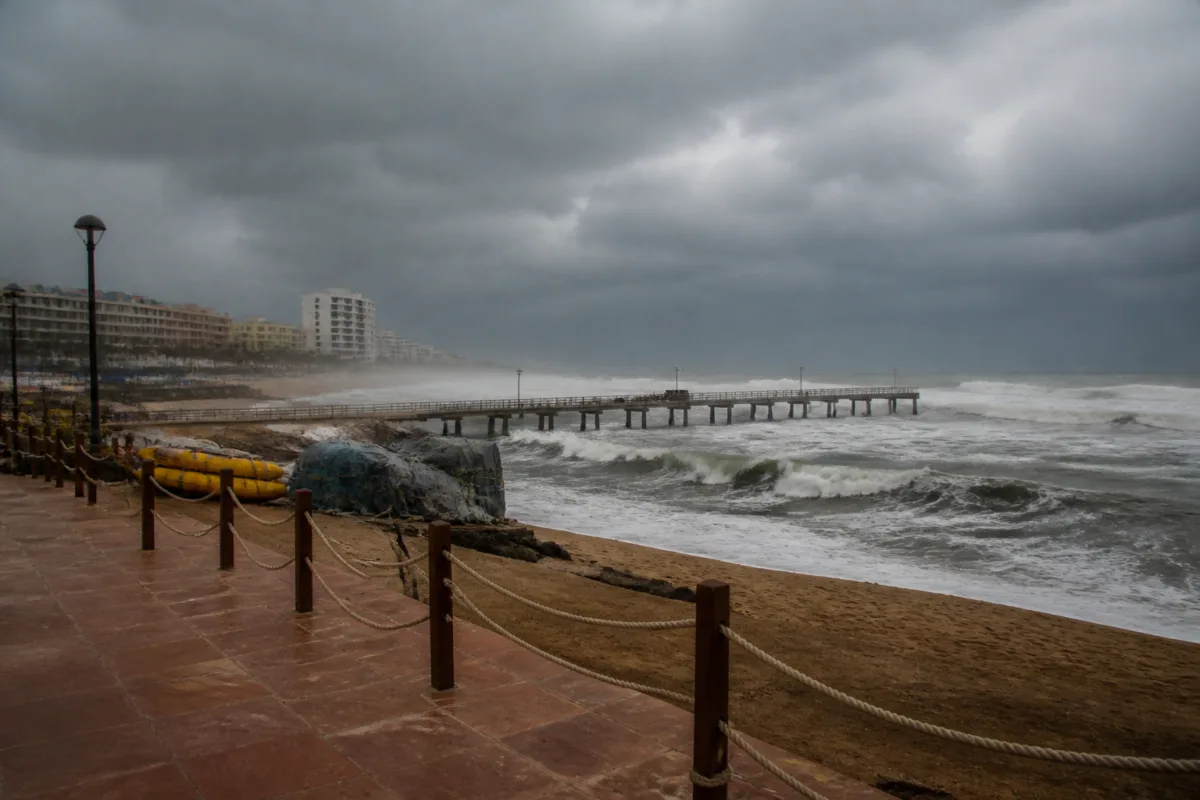
Odisha has restricted tourism and recreational activities along its beaches as Cyclone Aqwan approaches the eastern coast, with authorities warning of rough seas, strong winds, heavy rain and possible coastal inundation through November 21.
The restrictions follow a directive from Odisha Special Relief Commissioner Rajesh P. Patil to the Commissioner-cum-Secretary of the state Tourism Department. The letter asked tourism officials, operators, hotels and resorts to immediately stop activities at vulnerable coastal locations and take measures to protect tourists, tourism workers and residents.
According to information attributed to the India Meteorological Department, the cyclone is expected to make landfall along the Andhra Pradesh coast between Nellore and Visakhapatnam around the afternoon of November 20. The system could bring maximum wind speeds of 100 to 110 kilometres per hour, with gusts reaching 120 kilometres per hour.
Odisha is also expected to experience strong winds as the cyclone moves towards the Andhra coast. Winds of 40 to 50 kilometres per hour were forecast for Thursday, with speeds potentially increasing to 50 to 60 kilometres per hour over the following two days. The IMD has warned that sea conditions could remain rough from the night of November 18 until November 21.
The restrictions cover boating, water sports, sea excursions and other marine tourism activities. These services are to remain suspended until conditions are officially declared safe. Tourism authorities have also been asked to prevent people from accessing unsafe beaches, jetties and coastal observation points.
Hotels and resorts have been instructed to alert guests, advise them to avoid outdoor trips and ensure that visitors follow directions related to evacuation or movement to safe shelters. The instructions apply to tourism businesses as well as public access points where visitors may be exposed to waves, high winds or rising coastal water.
The directive places coastal tourism infrastructure within the state’s immediate disaster-management response. Beaches, jetties, water-sports facilities, resorts and observation points can become high-risk locations during cyclonic weather because visitors may not be familiar with local warning systems or evacuation routes. The restrictions are intended to limit exposure before conditions deteriorate.
The Tourism Department, tourism officers, operators and accommodation providers have been asked to implement the safety measures. The activities will resume only after authorities determine that coastal conditions are safe, according to the instructions cited in the report.
The IMD forecast and the Odisha government’s advisory will remain the key reference points for further restrictions, evacuation directions and the reopening of coastal tourism facilities.

