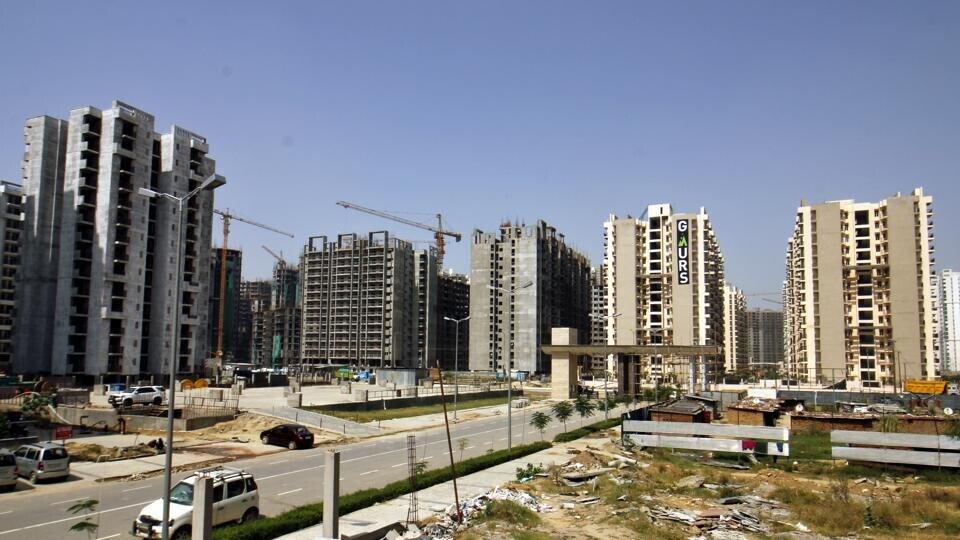
The operational progress of the Noida International Airport near Jewar is beginning to recalibrate the National Capital Region’s property landscape, with Noida emerging as a serious contender to Gurugram’s long-held dominance. Backed by expanding transport networks and industrial investments, the shift is not merely speculative it reflects a broader rebalancing of urban growth corridors in northern India.
For years, Gurugram attracted corporate capital due to proximity to Delhi’s primary airport and established office clusters. However, urban planners now point to Noida’s evolving infrastructure grid including expressways, freight corridors, and planned rapid transit systems as a more integrated and future-ready model. The Noida property market is benefiting from this shift, especially in sectors aligned with logistics, manufacturing, and technology. At the centre of this transformation is the airport-led development model, which is increasingly influencing land-use patterns across the Yamuna Expressway belt. Improved regional accessibility is expected to shorten travel times and decentralise economic activity away from congested urban cores. Analysts note that such infrastructure tends to catalyse mixed-use growth, combining residential, commercial, and institutional assets in emerging zones.
Industrial policy interventions are also shaping this trajectory. The region has seen announcements for specialised clusters, including electronics manufacturing, medical devices, and warehousing hubs. These developments are likely to create employment nodes that require nearby housing, thereby sustaining long-term residential demand. The Noida property market, once considered largely affordable, is now witnessing diversification into premium and mid-segment housing.Demand patterns are also evolving. Developers report rising interest from both end-users and investors seeking rental income opportunities, particularly in areas with direct connectivity to upcoming transit lines. Urban economists suggest that rental housing demand could increase significantly as the workforce linked to new industrial and service sectors expands. However, this growth story raises critical planning challenges. Rapid real estate expansion in peri-urban zones often strains water resources, mobility systems, and environmental buffers. Experts emphasise the need for climate-resilient planning, including green infrastructure, public transport integration, and sustainable land management practices. Without these safeguards, the benefits of infrastructure-led growth could be unevenly distributed.
Institutional oversight is expected to play a stabilising role. Land development under planned authorities offers regulatory clarity, but maintaining transparency and execution discipline will be key to sustaining investor confidence. Market observers caution that speculative spikes in land prices must be balanced with end-use viability and infrastructure readiness. As the Noida property market continues to mature, its trajectory reflects a larger shift in India’s urbanisation pattern one that favours polycentric growth over concentrated metropolitan expansion. Whether Noida can sustain this momentum against Gurugram will depend not just on infrastructure delivery, but on how effectively it aligns growth with liveability, resilience, and inclusive urban design.