


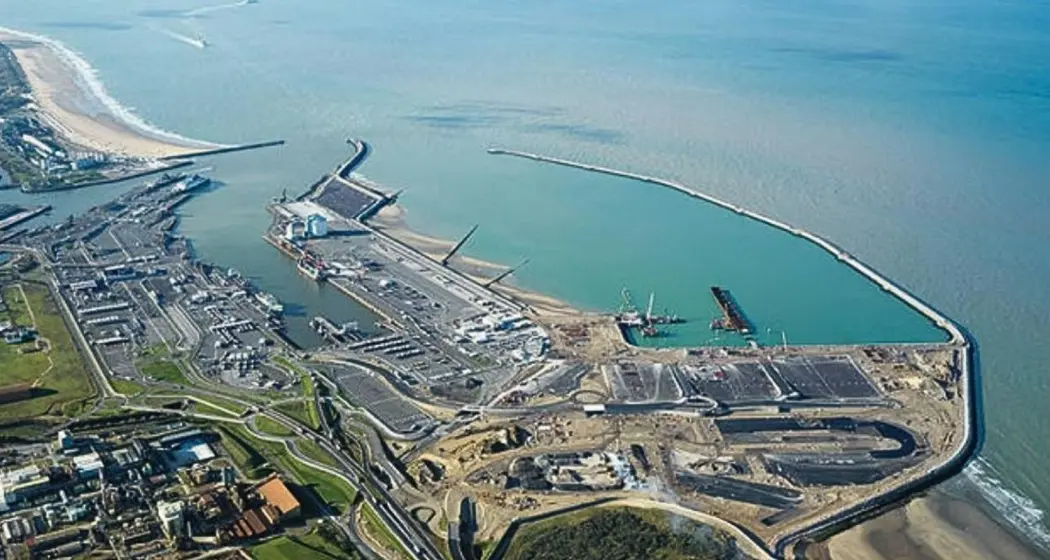
A renewed political shift in West Bengal has brought the long-delayed Tajpur deep-sea port project back into policy discussions, reviving expectations around a proposed ₹25,000 crore maritime infrastructure investment along the state’s eastern coastline. The project, planned near East Midnapore, is once again being viewed as a potential catalyst for industrial logistics, trade expansion and regional employment generation.
The Tajpur Port project has remained under discussion for years due to regulatory uncertainty, land concerns and shifting investment priorities. Recent political developments have reignited conversations around accelerating approvals and strengthening coordination between state and central agencies. Infrastructure analysts say the project’s revival could reshape freight movement patterns in eastern India while easing pressure on existing ports in the region.Located strategically along the Bay of Bengal, the proposed port is expected to support container handling, bulk cargo movement and industrial supply chains linked to eastern and northeastern markets. Urban economists note that large-scale maritime infrastructure increasingly plays a critical role in shaping industrial corridors, warehousing clusters and transport-oriented urban expansion.However, experts caution that the long-term success of the Tajpur Port project will depend not only on cargo volumes but also on environmental safeguards and inclusive planning. Coastal infrastructure developments often raise concerns around shoreline erosion, ecological disturbance and displacement risks for fishing communities. Urban planners and climate researchers argue that future-ready port infrastructure must integrate resilient coastal engineering, renewable energy systems and transparent rehabilitation frameworks.
The economic implications are significant. Improved maritime connectivity could attract manufacturing investments, logistics parks and export-oriented industries to the region. Analysts believe secondary growth may emerge through housing demand, transport services and small business activity around the proposed port ecosystem. Yet they also warn that unchecked speculative real estate activity near major infrastructure projects can widen social inequality and strain local resources.The Tajpur Port project is additionally being viewed through the lens of national freight diversification. With India seeking to strengthen multimodal logistics and reduce transport inefficiencies, eastern coastal infrastructure is gaining strategic importance. Port-led development has increasingly become tied to broader ambitions around industrial competitiveness, export growth and supply chain resilience.Urban development specialists stress that connectivity planning will be crucial. Without strong rail freight integration and sustainable road infrastructure, the project risks intensifying congestion and environmental pressure in nearby settlements. Experts advocate integrated planning models where industrial growth is aligned with public transport access, affordable housing and ecological conservation.
For local communities, expectations remain mixed. While employment opportunities and regional investment are welcomed, concerns persist around land acquisition, environmental impact and equitable participation in economic benefits. Policy observers say transparent governance and long-term monitoring mechanisms will be essential to building public trust.As eastern India positions itself for the next phase of industrial and logistics expansion, the Tajpur Port project represents both opportunity and challenge. Its future trajectory may ultimately depend on whether infrastructure growth can be balanced with ecological resilience, community inclusion and sustainable urban planning.
Read More : Amazon India Investment Reshapes Urban Logistics Networks
